

Sri Lanka Gazettes Landmark Animal Welfare Bill: A Major Step Forward, but Discussion Persists

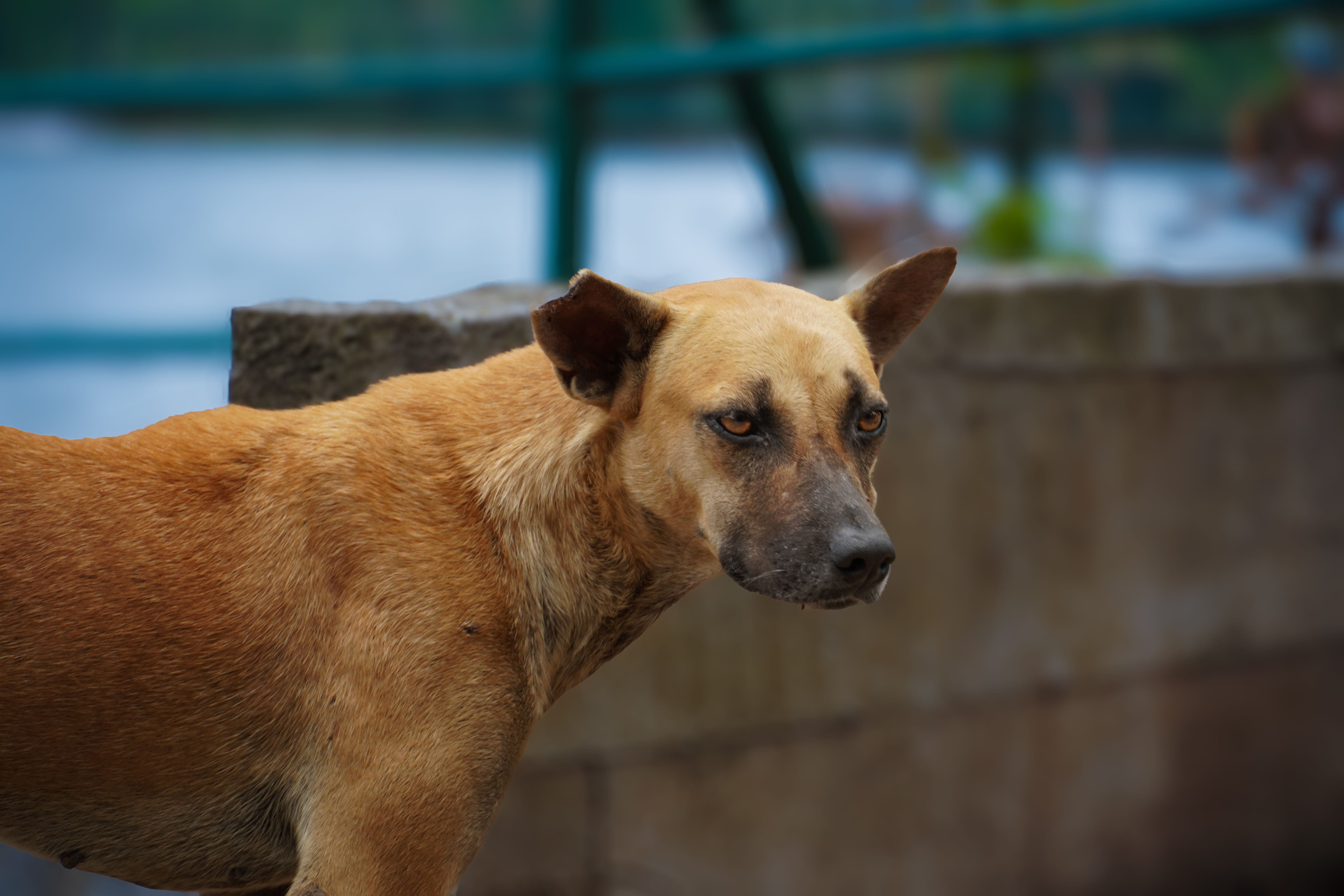
Sri Lanka has just achieved a significant achievement in the reform of its animal welfare laws after a long period of delay. The Animal Welfare Bill, which has been long awaited, has now been published and is thus before Parliament, representing an important advance towards replacing laws that have stayed almost unchanged for over a century.
To animal welfare organisations, veterinarians and campaigners who have for many years been calling for reform, the release of the Bill is a real step forward. Yet although a number of people have welcomed the fact that legislation is at last making progress, others have expressed worries regarding certain parts of the present draft and are asking Parliament to make it stronger before it becomes law.
Replacing a Law from Another Era
The legal system in Sri Lanka is based on the Prevention of Cruelty to Animals Ordinance of 1907, a piece of legislation which was introduced during the colonial era. Even though it has been amended throughout the years, various campaigners contend that it does not reflect the current understanding of animal welfare or offer effective protection against cruelty and neglect.
Requests for complete reform have been made over nearly two decades. Although there has been support from many members of the veterinary profession and the broader animal welfare community, the successive governments have always considered proposals for new legislation but advancement has on numerous occasions come to a standstill.
The fact that the Animal Welfare Bill has now been gazetted represents one of the most important developments in Sri Lanka’s animal welfare legislation over the course of generations.
What the Bill Seeks to Do
The Bill aims to establish a modern legal framework in order to enhance the protection of animals and to increase the powers available for dealing with cruelty and neglect.
One of its objectives is to impose clearer welfare responsibilities on those who are in charge of animals, to grant stronger enforcement powers and to impose much higher penalties for offences. The law also aims at modernising the definitions and establishes a more comprehensive legal framework than that of the 1907 Ordinance.
Since the Bill is still going through Parliament, its provisions may be altered before it comes into law.
Not Without Controversy
While a great many organisations have welcomed the progress of the Bill, it has not enjoyed universal support.
A number of lawyers and animal welfare advocates have raised concerns that the present draft is different from the earlier ones and have doubted if some of the exemptions might lower the level of protection given to certain animals. There is also the view that more amendments are required so that the legislation may achieve the comprehensive reforms which campaigners have been asking for over many years.
The worries will probably be included in the parliamentary debate as the Bill proceeds through the legislative process.
What Happens Next?
Although gazetting is a significant step under the constitution, it is not the last stage in the process of making law.
The Bill has to go through Parliament, where it can be discussed and amended before it is voted on. It will only become law after it has completed the rest of the legislative process and obtained the required approvals.
It is therefore possible that the final law will be different from the version that has been published.
A Defining Moment for Animal Welfare
No matter what debates now take place, the act of publishing the Animal Welfare Bill is a significant event.
After many years of frustration and despite the fact that there have been repeated delays, Sri Lanka now has the chance to replace the legislation which has been in force in the country for over a century with a modern legal system better suited to protecting animals in the twenty-first century.
The outcome of the upcoming parliamentary debates will be a deciding factor in whether the final Act realizes the aims of the people who have been campaigning for reform for so many years; animal welfare organisations throughout Sri Lanka will certainly be keeping a close eye on the situation, hoping that this historic chance leads to the passage of legislation which can provide real and lasting protection for animals in the country.