


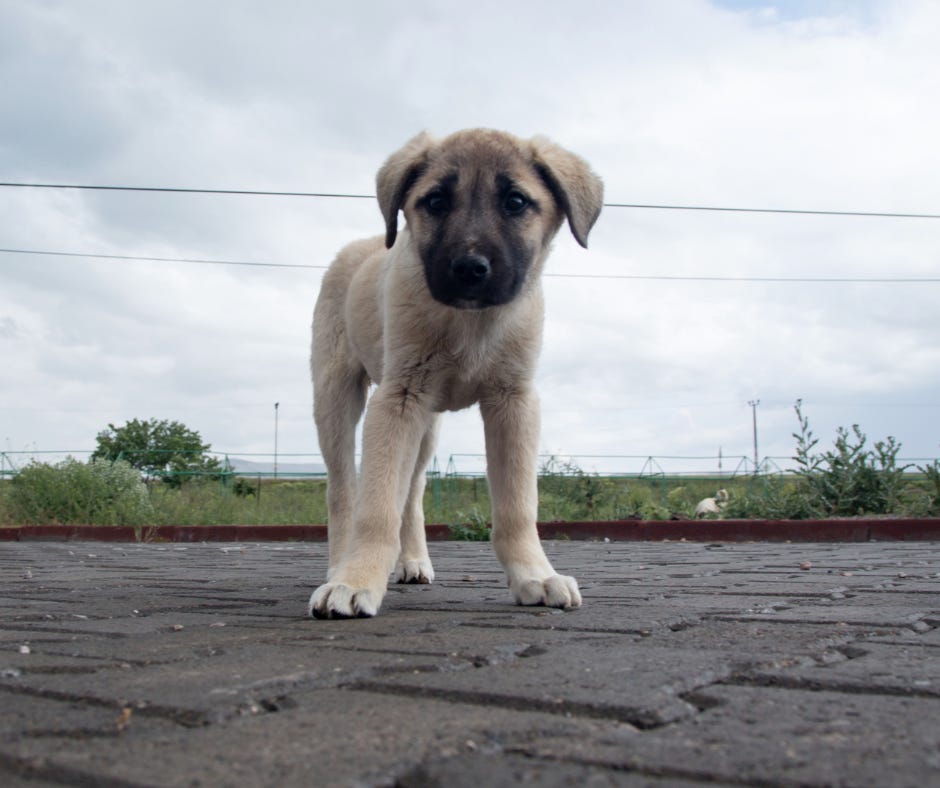
Across Turkey, stray dogs have been a common and often emotionally charged presence in cities and villages alike.
For years, local governments and municipalities have wrestled with how to manage growing populations of free-roaming dogs.
While public health concerns—such as the risk of dog bites and rabies—are frequently cited as justification by those in authority to remove or relocate large numbers of dogs from areas, recent ecological research suggests that these interventions may have unintended consequences.
One such consequence is an increase in tick populations—and potentially, tick-borne diseases.

The Ecology Behind the Problem
In urban and peri-urban environments in Turkey, stray dogs often coexist with humans, cats, and a variety of wildlife.
They are frequently hosts to ticks—especially the brown dog tick—which are common in the Mediterranean region, including western and southern Turkey.
At first glance, removing stray dogs might seem to reduce the tick population. But the opposite may occur. Stray dogs, while hosting ticks, also regulate tick lifecycles in several subtle ways:
Dogs are mobile hosts that carry ticks across larger areas, disrupting breeding cycles.
Self-grooming and scratching behaviours often dislodge ticks before they reach reproductive maturity.
Dogs compete with or prey on smaller mammals like rodents, which are ideal hosts for the tick life stages responsible for transmitting disease.
When stray dogs are removed, this balance is disrupted. Rodent populations often increase, and with them, the number of ticks in the environment. Unlike dogs, rodents are far more effective at sustaining tick populations—and more efficient at transmitting diseases like tick-borne encephalitis, anaplasmosis, and rickettsiosis.
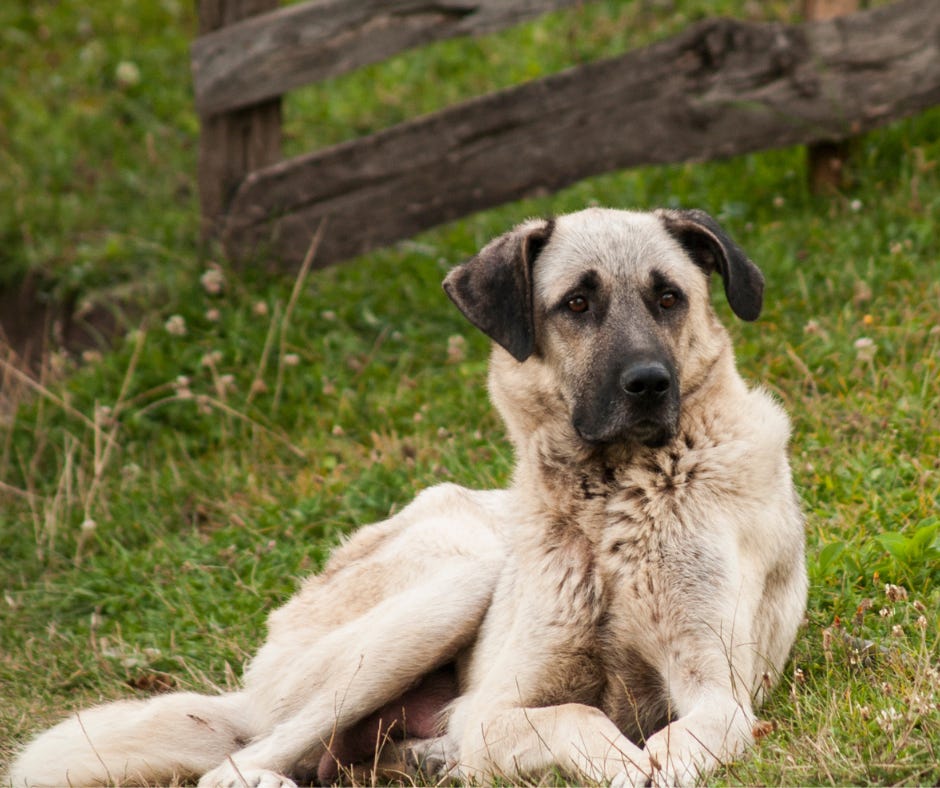
Ticks and Disease in Turkey
Turkey is already facing a growing challenge from tick-borne diseases. In particular:
Crimean-Congo Hemorrhagic Fever (CCHF) has emerged as a major public health threat in Anatolia, spread by ticks.
Mediterranean Spotted Fever and Anaplasmosis are increasingly reported in western and central parts of the country.
Agricultural workers, forestry personnel, and people living in rural areas are especially vulnerable.
Removing stray dogs from the urban-rural interface may worsen these trends by amplifying tick reproduction and removing one of the few natural controls on tick dispersal.
Rethinking Stray Dog Policy
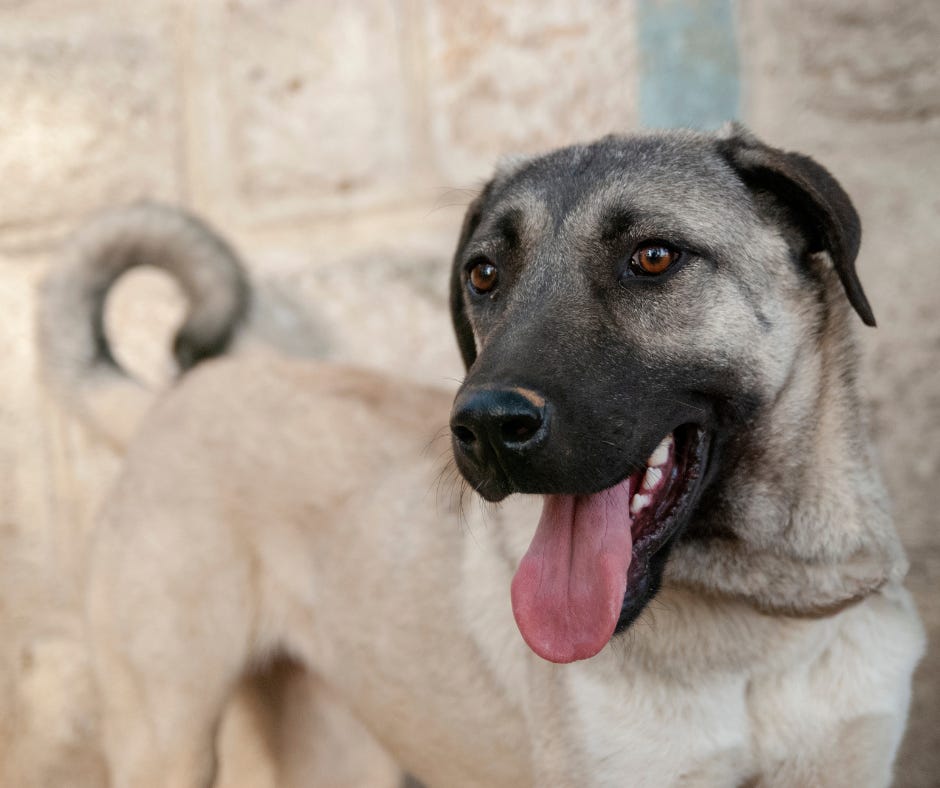
Instead of removal or culling, many experts advocate for a "trap-neuter-vaccinate-return" (TNVR) approach. This humane method allows dogs to remain in their territories—helping to stabilize populations and maintain their ecological role—while reducing risks of uncontrolled breeding and disease.
Supporting community dog programs, giving strays flea treatments, and integrating veterinary services into local health strategies can offer a more balanced solution.
A Call for Ecological Awareness
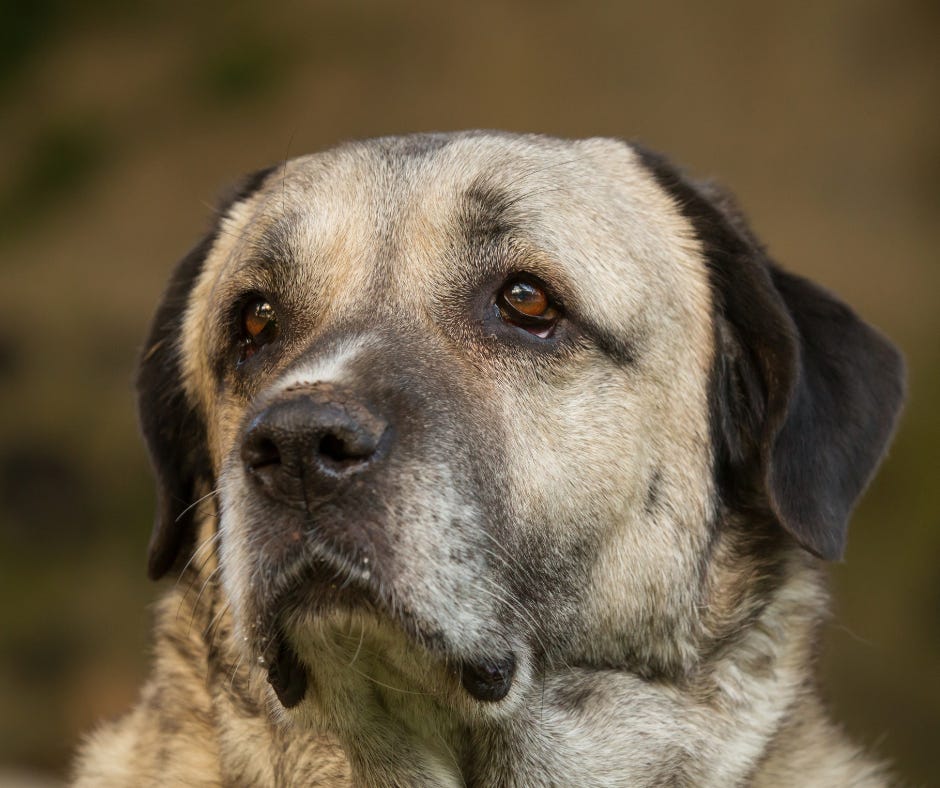
Every species plays a role in the web of life—even stray dogs. As Turkey navigates the challenge of managing its urban animal populations, it’s vital to approach the issue not only from a public health perspective, but also from an ecological one.
Unintended consequences like increased tick populations serve as a stark reminder: when we remove one part of the system, the rest often responds in ways we don’t anticipate.
A more compassionate, scientifically informed approach will serve both humans and animals more effectively—and protect Turkey’s communities from avoidable health risks.