
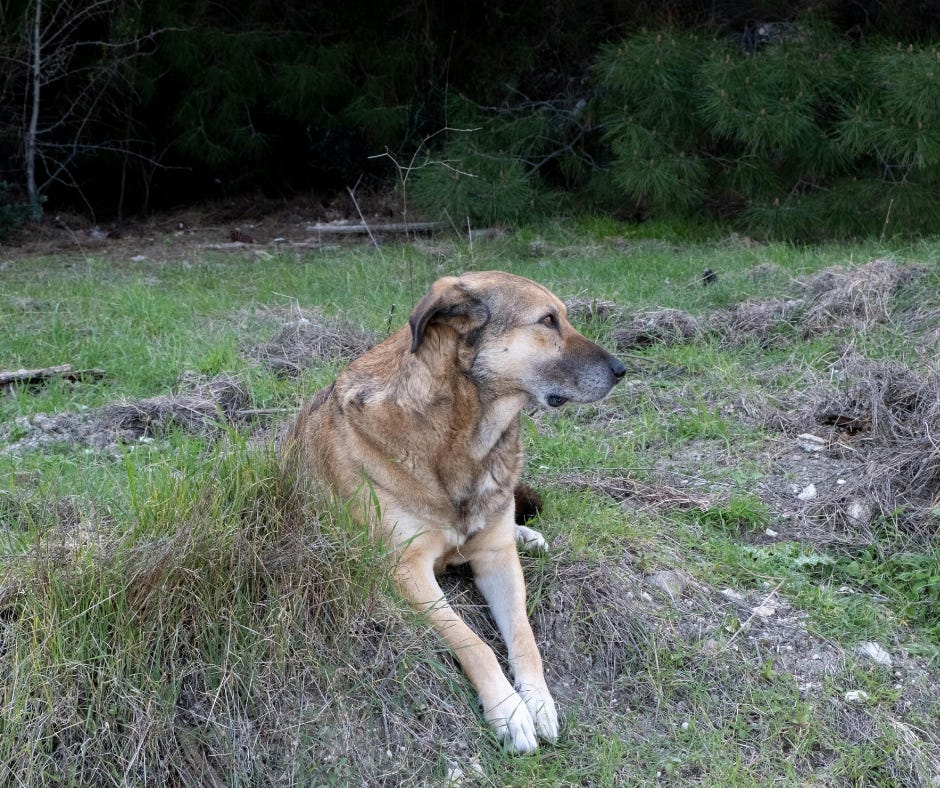
Stray Dogs, Wildlife, and Feeding Bans in Turkey
Setting the Record Straight
Across Turkey, stray dogs are being vilified.
Media headlines claim they invade forests, destroy wildlife, and threaten natural balance. These narratives are not only false they are dangerous. They fuel cruelty, justify killing campaigns, and distract from the real threats to wildlife: human exploitation, habitat destruction, and hunting.
At Dog Desk Animal Action, we believe in facts, compassion, and science not propaganda.
The Real Threat to Wildlife: Hunting and Habitat Loss
Human Hunting
Scientific evidence is clear: hunting is one of the leading causes of wildlife decline worldwide.
A 2016 study in Science linked hunting to population declines in over 300 terrestrial mammal species.
Illegal and unregulated hunting for meat, fur, and trophies has driven species like the western black rhino and several big cats to extinction.
By removing apex predators and large herbivores, hunting causes trophic cascades, destabilising entire ecosystems.
In Turkey, poaching and deforestation continue to decimate wildlife populations.
This is the real ecological emergency not the presence of stray dogs.
Stray Dogs: Scapegoated and Misunderstood
Stray and free-roaming dogs are often blamed for harming wildlife, but the data tells a different story.
Research published in Biological Conservation (Hughes & Macdonald, 2013) confirms that dogs may occasionally disturb or kill small animals, but such incidents are localised and rare.
Most stray dogs in Turkey are urban or peri-urban scavengers. They survive on human waste, handouts, and kindness, not on hunting wildlife.
When supported through neuter–vaccinate–return (NVR) programmes, stray populations stabilise naturally and pose minimal ecological risk.
Scientific reviews do note that dogs can affect wildlife but almost always where humans create the conditions: unmanaged waste, habitat loss, or abandonment.
In other words, this is a human management issue, not a wildlife issue.
Feeding Bans: Cruelty Disguised as Conservation
In recent months, some municipalities have begun discouraging or banning the feeding of stray dogs in forested areas claiming it will protect wildlife.
In reality, it causes immense suffering and no measurable ecological benefit.
When feeding stops:
Dogs starve.
These animals are domestic, not wild. They cannot hunt or forage.
Within days, they become malnourished, dehydrated, and weak. Puppies, seniors, and the injured die first.They migrate toward human areas.
Starving dogs move toward roads, towns, and rubbish sites seeking food — leading to traffic accidents, poisonings, and conflict.
Ironically, they are then accused of invading populated spaces, when they are simply trying to survive.Health and control collapse.
Feeders are also caregivers. When contact ends, so do vaccinations and sterilisation efforts.
Malnutrition weakens immunity, increasing the spread of mange, distemper, and rabies harming both dogs and public health.No wildlife benefit occurs.
Starving dogs do not return to nature. They are not wild canids.
Feeding actually keeps them stable and localised, preventing them from wandering deeper into forests.Society loses compassion.
Feeding bans criminalise kindness and erode empathy.
They normalise suffering, divide communities, and violate the principles of Law 5199, Turkey’s own animal protection legislation.
The Ecological Reality
Comparing the scale of impact reveals the truth:
Stray dogs are not depleting wildlife, humans are.
The Way Forward: Science and Compassion
The humane and effective approach is clear:
Feed responsibly. Keep dogs in stable areas with clean water and controlled waste.
Sterilise and vaccinate. Population stability and disease control come from ongoing care, not neglect.
Educate and collaborate. Work with local authorities and communities to protect both stray dogs and wildlife.
Challenge misinformation. Reject propaganda that scapegoats animals to conceal human harm.
In Summary
When feeding stops, dogs suffer and die.
When hunting continues, wildlife vanishes.
When misinformation spreads, compassion erodes.
Turkey’s forests are not threatened by hungry dogs they are threatened by deforestation, illegal hunting, and human neglect.
It’s time to stop blaming the victims and start addressing the real causes of ecological collapse.
Let’s protect all lives wild and domestic with truth, empathy, and action.


