

Street Cat Health: The Hidden Struggles of Turkey’s Feral Felines

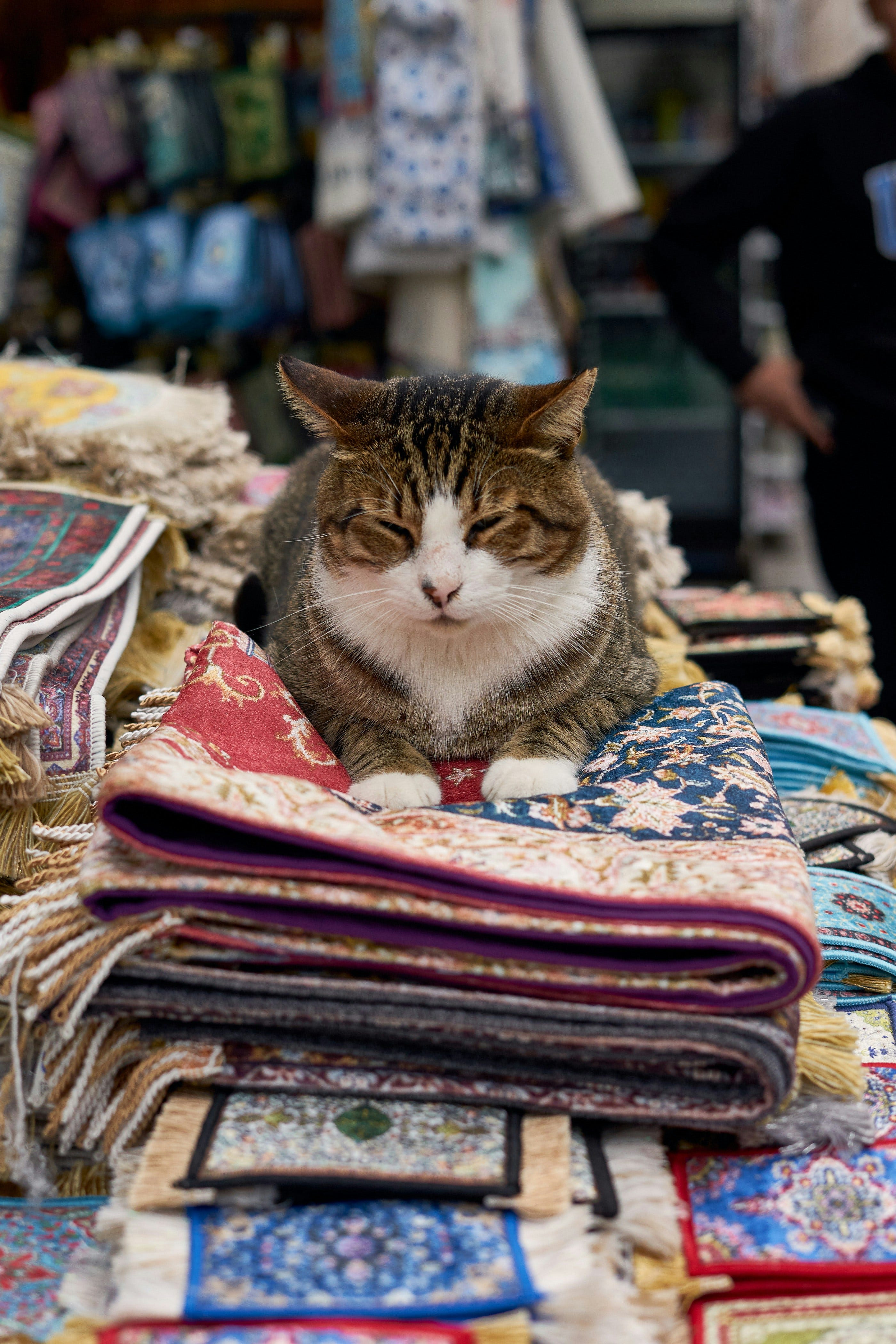
Across Turkey’s cities and towns, cats roam freely through parks, markets, and backstreets sleek, curious, and often seemingly content.
These street cats have become an iconic part of Turkish life, loved by many and tolerated by most. Yet behind the graceful independence lies a harsh reality: life on the streets is perilous, and even the most well-fed street cat faces hidden health struggles that few people see.
The Myth of the Well-Loved Street Cat
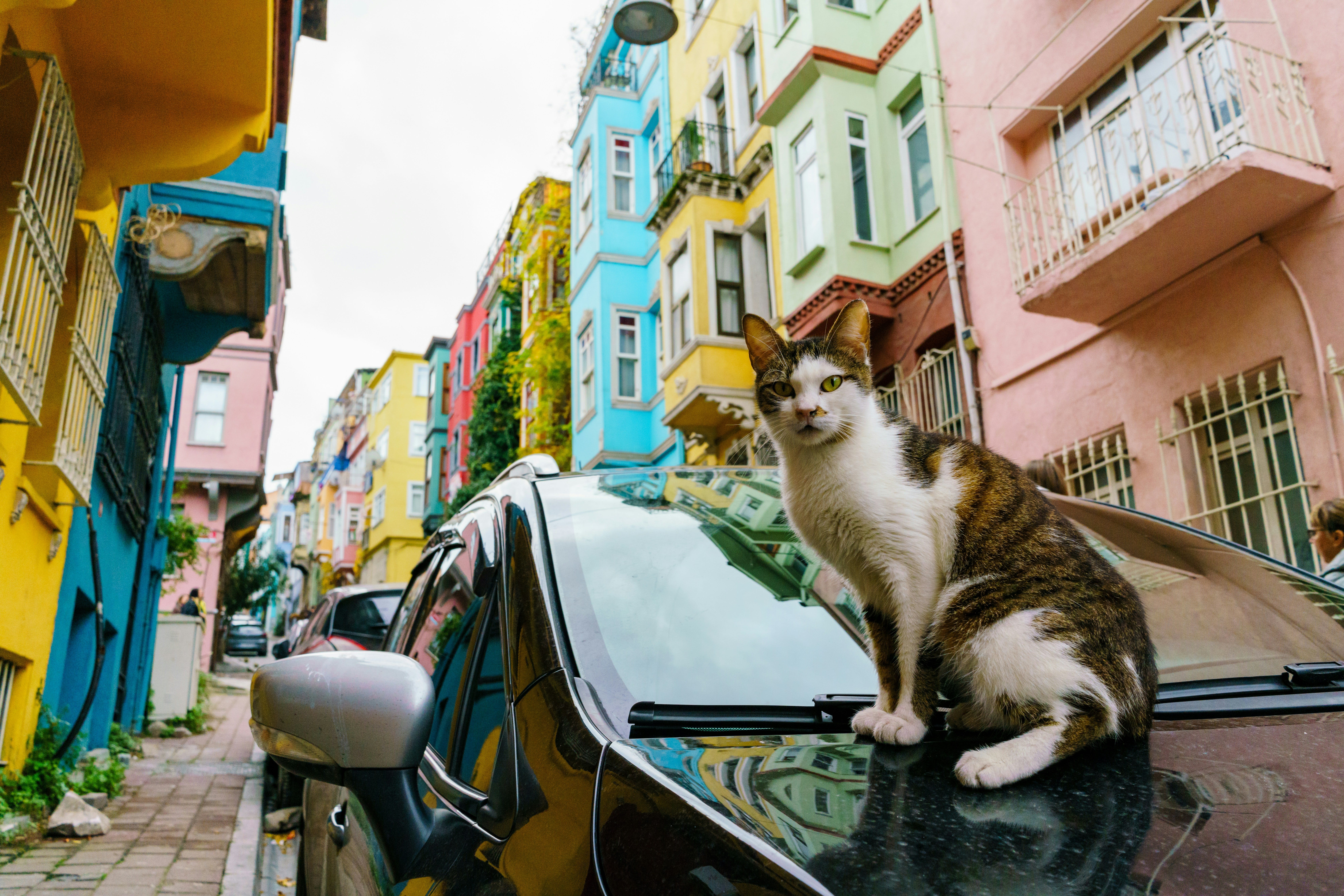
It’s common to see locals feeding cats in public spaces, or at laest it was until these wretched feeding bans came in to place, setting down dishes of food, water, or even makeshift shelters in winter.
This compassion is beautiful and deeply ingrained in Turkish culture. However, feeding alone doesn’t protect cats from disease, injury, or suffering. Without veterinary care, vaccinations, or parasite control, most street cats endure chronic illnesses that slowly wear them down.
Common Health Challenges
1. Upper Respiratory Infections (URIs)
Crowded colonies and shared food bowls make it easy for infections such as feline herpesvirus and calicivirus to spread. Symptoms like runny eyes, sneezing, and laboured breathing are common. Left untreated, these infections can lead to blindness or pneumonia.
2. Parasites
Fleas, ticks, ear mites, and intestinal worms are rampant among street cats. They cause constant discomfort, anaemia, and secondary infections. Kittens and elderly cats are particularly vulnerable, and parasite-related illness is a leading cause of death among unmonitored colonies.
3. Malnutrition
Even in areas where cats are regularly fed, nutrition is often inconsistent. Cats may go days without food or survive on scraps lacking the proteins and nutrients they need. Malnutrition weakens the immune system and leaves them unable to fight infection.
4. Injuries and Untreated Wounds
Traffic accidents, dog attacks, and territorial fights leave countless cats with severe injuries. Many suffer quietly, unable to find help. Infections set in quickly, and what might have been a treatable wound becomes fatal.
5. Viral Diseases
Feline immunodeficiency virus (FIV) and feline leukaemia virus (FeLV) are widespread in unvaccinated street populations. Both are transmitted through bites or close contact and cause chronic immune system failure. There’s no cure only prevention through vaccination and neutering.

How Local Communities Can Help
1. Support TNR (Trap–Neuter–Return) Programs
The most effective way to reduce suffering is through humane population control. Spayed and neutered cats live healthier lives, fight less, and spread fewer diseases. Communities can partner with local vets or NGOs to support ongoing TNR efforts.
2. Provide Clean Feeding Stations
If you feed local cats (this is no longer allowed in many provinces), do so responsibly. Use clean bowls and fresh water, and place feeding stations away from roads. Regularly disinfect containers to reduce the spread of disease.
3. Build Simple Shelters
A cardboard box lined with straw, placed under cover, can save a cat’s life in winter. Communities can create safe resting spots in courtyards or quiet corners to protect cats from rain and cold.
4. Report Sick or Injured Cats
If you notice a cat with severe wounds, difficulty breathing, or eye infections, contact a local rescue group or veterinary clinic. Many NGOs have volunteers who can help with capture and treatment.
5. Raise Awareness
Encourage neighbours and friends to learn about cat welfare. Simple acts like understanding why sterilisation matters or how to spot illness can create lasting change for entire colonies.
Compassion in Action
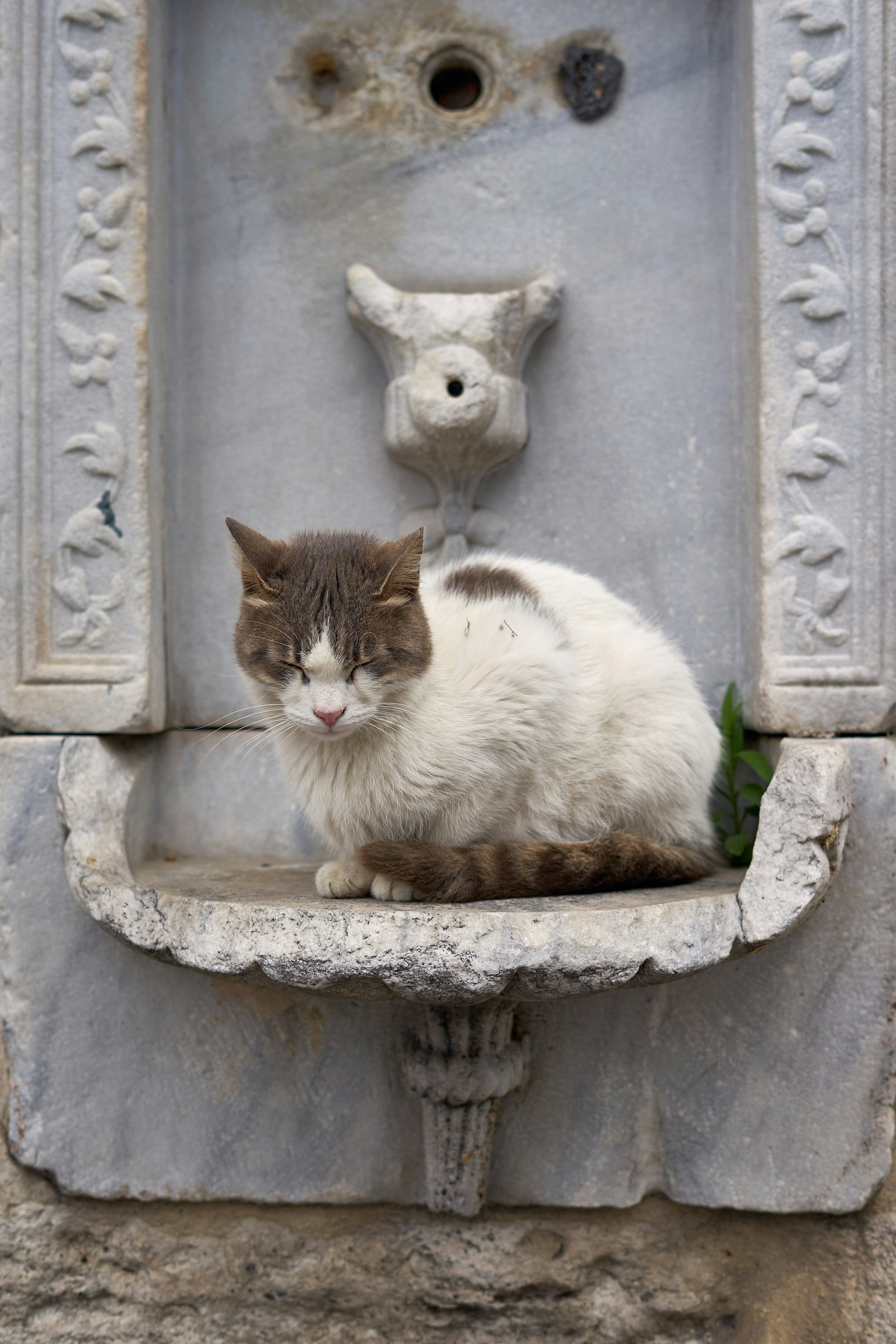
Turkey’s street cats are not a nuisance to be ignored nor a tourist attraction to be romanticised, they are sentient beings navigating a tough existence in an urban world. Each one depends on the kindness and awareness of people who care enough to act.
Healthy, managed street colonies benefit everyone: the cats live longer, happier lives, and communities become cleaner, calmer, and more humane.
By turning compassion into practical care, we can make the streets of Turkey safer for every feline that calls them home.