


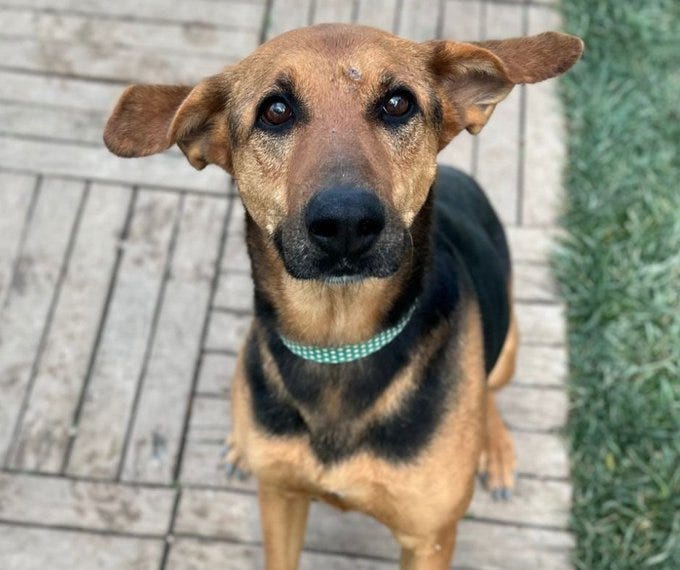
Where My Knowledge Ends
I have spent years working with street-born dogs:
On the streets
Within municipal systems
Inside sanctuary environments
I understand how these dogs live, adapt, and survive in those settings. What I do not see, what none of us see in any structured way is what happens next.
What happens inside the home.
What Is Less Clearly Understood
Far less structured information exists on what happens after relocation. When a street-born dog:
Leaves an open or communal environment
Enters a private domestic space
Adapts to household expectations
This stage is widely experienced, but not consistently documented.
What This Initiative Is Doing
This work collects structured information from adopters of internationally relocated, street-born dogs.
The focus is not on individual accounts, but on identifying recurring adjustment patterns across multiple homes.
Why Adopter Input Matters
This stage of a dog’s life is only visible to the people living with them. Without consistent input from adopters, understanding remains:
Fragmented
Anecdotal
Difficult to compare across cases
With structured input, patterns begin to emerge.
How Contributions Are Used
All responses are:
Reviewed privately
Kept confidential
Used to build internal understanding over time
This is a non-interventional process. Submitting information does not generate advice or case-specific feedback.
Why This Matters
International relocation introduces significant environmental change. Understanding how dogs adjust within that change supports:
More informed decision-making
Realistic expectation-setting
Stronger long-term welfare planning
Contributing
If you have adopted a street-born dog from overseas, you can contribute by completing the form on our website here
Each response adds to a structured understanding of how dogs adjust following relocation into home environments.
Over time, this builds a clearer, more reliable picture of what that transition looks like in practice.
Thank you in advance for your help