


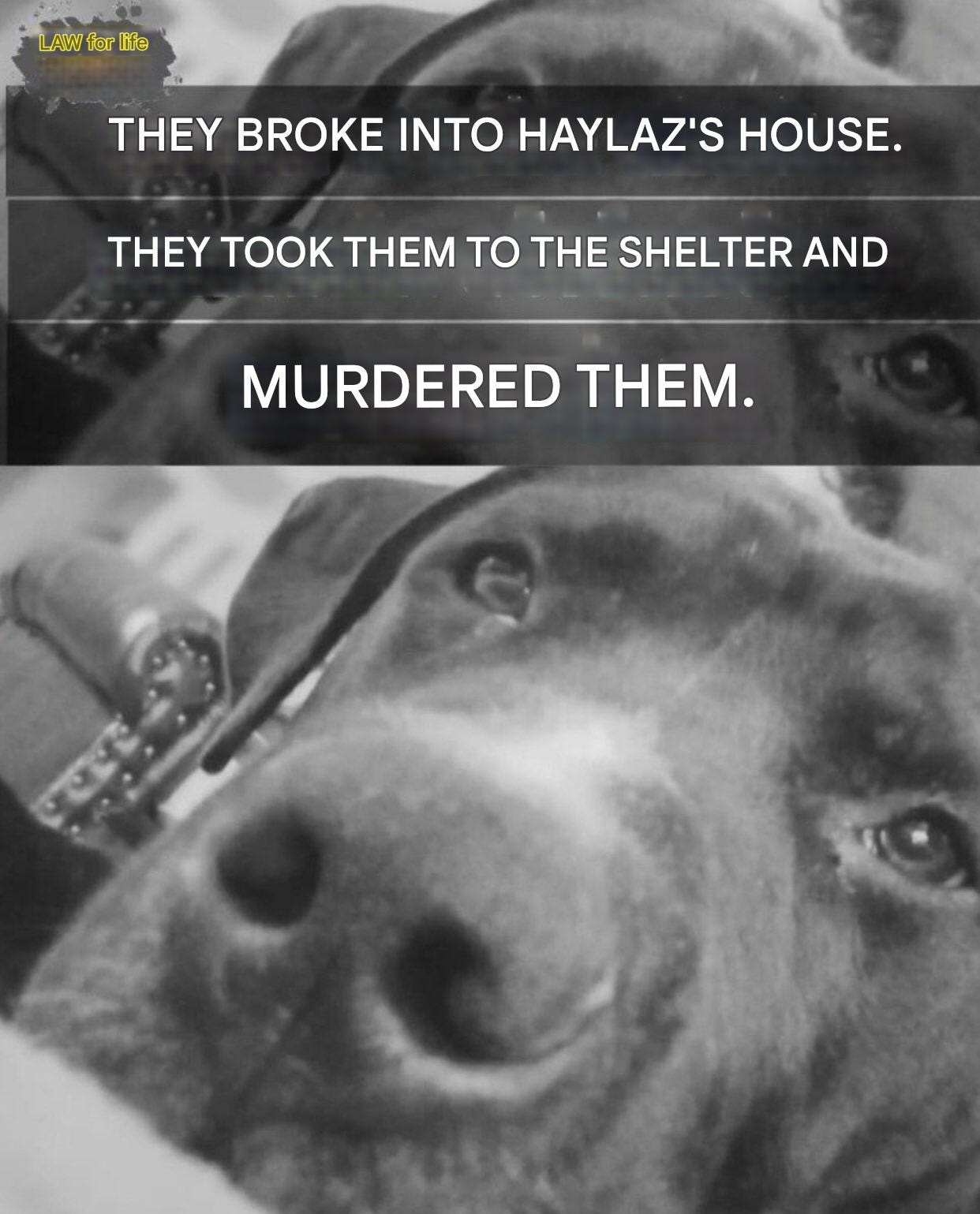
A case that has shaken animal-welfare communities
In early February 2026, a case now widely referred to as The Haylaz Case began circulating across Turkish animal-rights networks. At the centre of the allegations is Haylaz, a three-year-old Cane Corso mix described in public accounts as a family-owned dog living indoors, not a stray.
According to reports shared by journalists, activists, and animal-welfare organisations, Haylaz was removed from his family home by municipal personnel, transferred between two municipal facilities, and killed on the same day.
As of the date of publication, no official statement has been issued by Darıca Belediyesi, Kandıra Belediyesi, or provincial authorities. No confirmation of an investigation has been made public, and no mainstream media coverage has yet been identified.
What is being alleged?
Haylaz was a privately owned pet, living inside a family home.
A team linked to Darıca Municipality allegedly arrived following instructions attributed to the municipal shelter director.
The team is reported to have entered private property without a prosecutor’s warrant or court order.
Family members state they were threatened with severe administrative penalties, including large fines and possible imprisonment, if they did not comply.
Documents authorising the dog’s removal were allegedly signed under pressure.
Haylaz was labelled a “yasaklı ırk” (restricted breed) despite being described as a mixed-breed family dog. Cane Corso’s are not on the banned breed list
He was taken first to the Darıca municipal shelter and then transferred the same day to Kandıra Municipality’s shelter.
According to activist reports, Haylaz was killed at the Kandıra facility on the same day.
These claims have not yet been independently verified and remain allegations pending any official investigation or judicial finding.
Individuals and institutions named in public reports
Social-media posts and organisational statements repeatedly reference the following, without any official determination of responsibility:
Yüksel Araz, named in activist accounts as the official who allegedly authorised the seizure and transfer.
Darıca Belediyesi
Kandıra Belediyesi
Muzaffer Bıyık, frequently tagged by members of the public seeking answers.
References are also made to Kocaeli Büyükşehir Belediyesi in calls for oversight and intervention.
These mentions reflect public concern and demands for accountability, not legal conclusions.
Public reaction and calls for accountability
The hashtag #HaylazİçinAdalet (“Justice for Haylaz”) continues to circulate widely. Posts express grief, fear, and anger, alongside demands for lawful conduct and transparency.
Animal-rights organisations including Hayvan Hakları Yasama İzleme Delegasyonu and Sokak Canlıları Derneği have published statements asserting that, if accurate, the reported sequence of events would represent serious violations of procedure and animal-protection safeguards.
Common demands include:
A transparent and independent investigation
Public clarification of who authorised the seizure and killing
Disclosure of records, documentation, and decision-making processes
Assurance that owned pets cannot be removed or destroyed without due process
Why this case raises wider concerns
Advocates argue that the Haylaz case reflects a broader pattern of fear and uncertainty following Turkey’s 2024–2025 amendments to stray-animal legislation (Law No. 7527 and related bylaws).
While these laws primarily concern unowned street animals, campaigners warn that unclear interpretation or misuse may be leading to:
The targeting of owned dogs, particularly larger or restricted breeds
Arbitrary intervention on private property
Accelerated killing decisions without adequate assessment or review
If substantiated, such practices would raise serious concerns about legal safeguards, proportionality, and accountability.
Current status
As of 8 February 2026:
No municipality involved has issued a public explanation
No investigation has been publicly confirmed
The family’s account has not been formally addressed by authorities
The absence of clear information continues to fuel public distress and mistrust.
A call for transparency
Haylaz cannot be brought back. But clarity, accountability, and lawful conduct matter not only for his family, but for every person who shares their home with an animal.
At minimum, the public deserves answers:
On what legal basis was a privately owned dog removed from a home?
Who authorised the actions taken?
Why was no observation or review period applied?
Justice for Haylaz is not about speculation or hostility.
It is about truth, due process, and ensuring this cannot happen again.
Editorial note
This article is based solely on publicly available statements, reports, and social-media posts by journalists, animal-rights organisations, and members of the public. At the time of publication, no official findings or judicial determinations have been released. All allegations remain subject to verification and investigation.