

The 2023 Turkey Earthquake Tent Scandal Explained

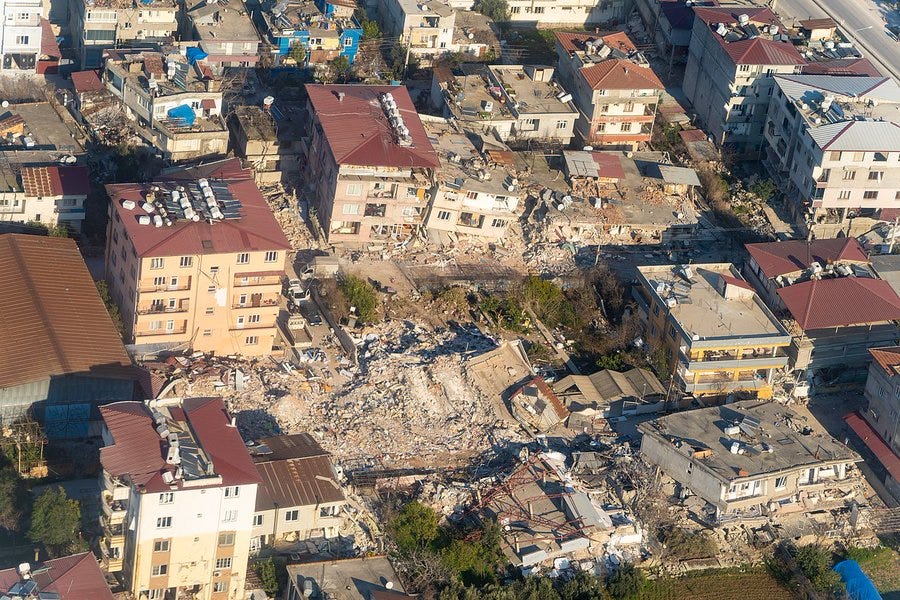
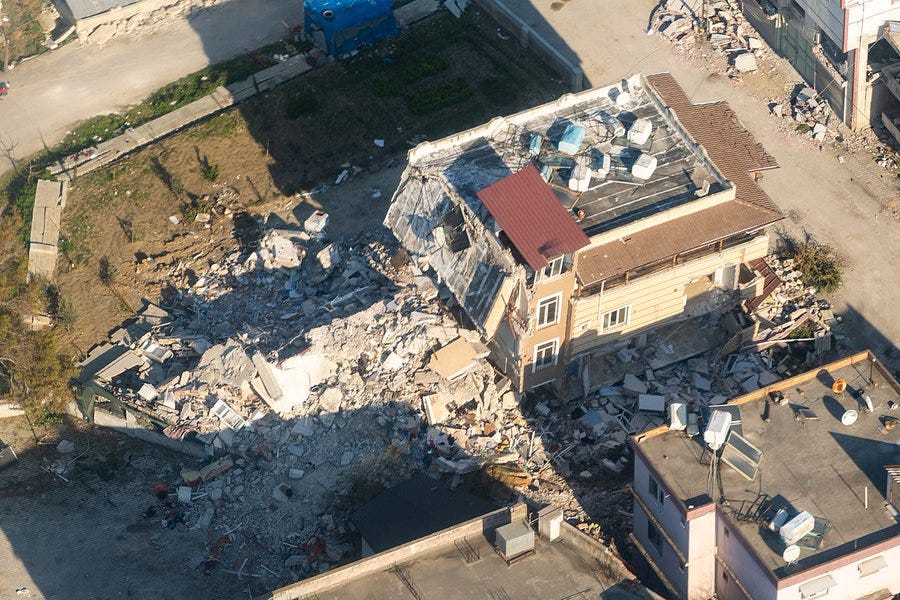
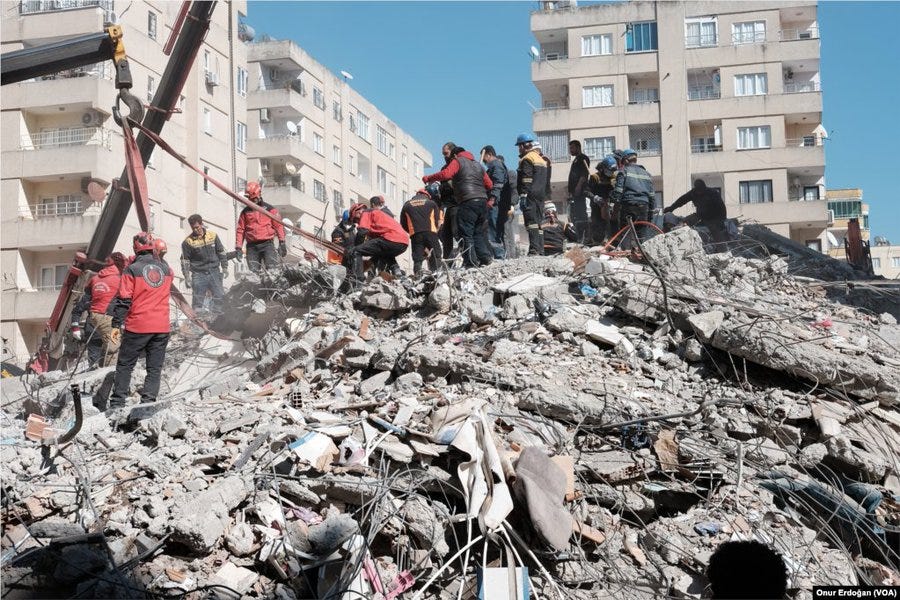
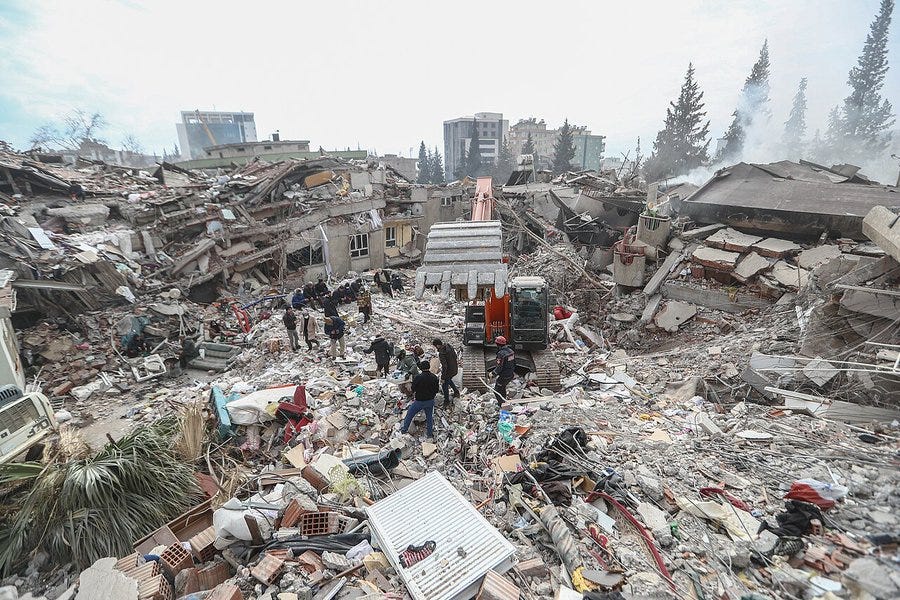
In the aftermath of the 6 February 2023 earthquakes, people in Turkey were left without homes in freezing winter conditions. Entire neighbourhoods had collapsed. Survivors slept in cars, on pavements, and in open spaces, afraid to return to damaged buildings and with nowhere else to go.
Emergency shelter was not a secondary concern it was a matter of survival.
It was in this context that revelations about the sale of emergency tents emerged, raising serious questions about disaster response, transparency, and accountability.
What Was Revealed
In the weeks following the earthquake, public reporting revealed that emergency tents were sold rather than distributed free of charge during the disaster response period. The tents were reportedly sold via a commercial subsidiary of the Turkish Red Crescent to third-party organisations, rather than being immediately provided to displaced survivors.
These revelations caused widespread public concern and anger, particularly as they came at a time when people were sheltering in freezing temperatures and basic emergency needs remained unmet.
The issue was not the existence of commercial structures in isolation, but their operation during the most critical phase of a national humanitarian emergency.
All information referenced in this section is drawn from publicly available reporting and official statements.
Public Reaction and Leadership Change
Public criticism intensified rapidly. Civil society groups, lawyers, journalists, and opposition figures questioned how such decisions could have been taken under disaster conditions.
In May 2023, the president of the Turkish Red Crescent at the time resigned from his position. The resignation was widely interpreted as a response to the public backlash and the erosion of public trust surrounding the tent sales.
For some, this moment represented visible accountability. For others, it raised deeper questions about whether institutional responsibility had truly been addressed.
Investigations Without Conclusion
Following the controversy, Ankara prosecutors opened a formal investigation into the tent sales. Interior Ministry inspectors later confirmed that tents had been sold during the disaster period, and their findings were submitted to prosecutors for review.
Investigative reporting indicated that multiple senior figures connected to the organisation and its subsidiary were examined as part of this process.
As of the most recent public reporting, no indictments or convictions have been announced, and the investigation has not concluded.
The legal process therefore remains unresolved. While the fact that tent sales occurred has been formally confirmed, final judicial accountability has yet to be established.
Animal Food Aid: Our Direct Experience on the Ground
Alongside the controversy over emergency shelter, another critical gap in disaster response emerged one that affected animals already living in extreme vulnerability.
In the aftermath of the earthquake, public appeals were widely made for food donations intended for animals, creating the impression that aid was being collected and distributed to affected regions.
However, in the specific areas where we operate and maintain direct, daily contact with local carers, we did not observe animal food aid reaching the ground.
To the best of our knowledge, based on direct operational oversight, local feeders and caregivers we work with consistently reported that they did not receive externally provided animal food supplies in the areas we work in, either in the immediate aftermath or in the months that followed. Based on our records and on-the-ground coordination, the only food these animals received was sourced, funded, and delivered by Dog Desk Animal Action.
This statement reflects our direct operational experience only and does not make claims about aid distribution in regions where we do not work.
For animals dependent on community feeding, the absence of food deliveries had immediate consequences. Hunger did not wait for systems to respond. We acted because there was no alternative.

Why This Still Matters
Three years on, the tent scandal continues to resonate not only because of what happened, but because of what it revealed.
Disasters test systems as much as they test individuals. Emergency response depends on trust: trust that aid will reach those who need it, when they need it most, without delay or obstruction.
When that trust is weakened, the consequences extend far beyond a single incident. Public confidence in humanitarian institutions erodes. Disaster preparedness suffers. Communities become less able and less willing to rely on official systems during future crises.
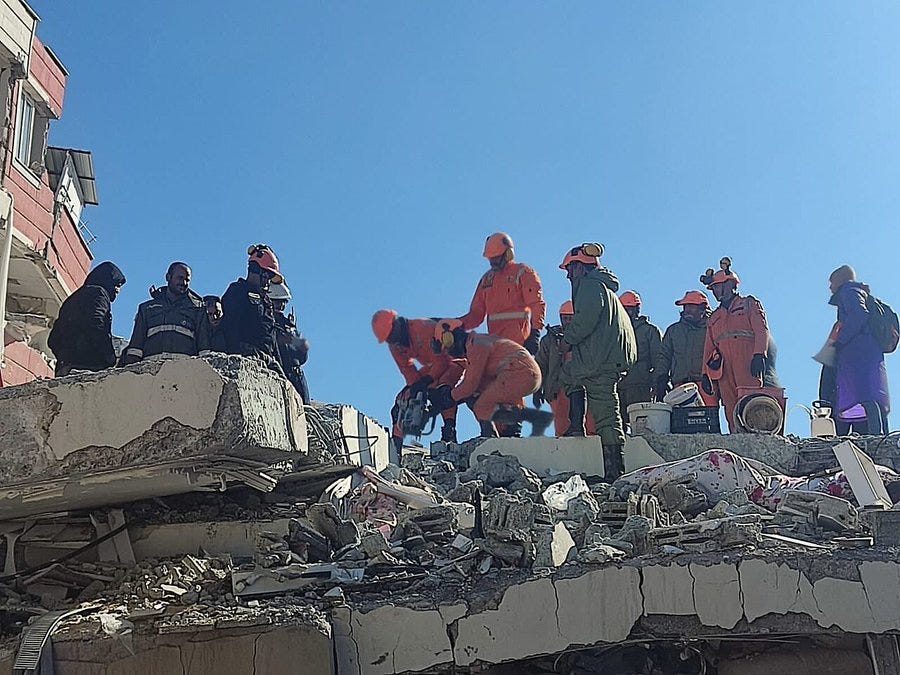
Remembering Means Confronting Reality
Remembering the earthquake is not only about mourning loss.
It is about acknowledging uncomfortable truths and learning from them.
The tent scandal, and the gaps in aid distribution that followed, are part of the earthquake’s legacy. So too is the responsibility to ensure that future disasters are met with urgency, compassion, and accountability not delay.
Three years on, these questions still matter. Because disaster response is not measured by intent, but by impact.
Disclaimer
This article is published in the public interest and is based on publicly available reporting and official statements available at the time of writing.
References to aid distribution reflect Dog Desk Animal Action’s direct operational experience in the specific areas where we work and maintain on-the-ground coordination. We do not make claims about regions or responses outside our direct remit.
Images used are illustrative or sourced under appropriate free-use licences and do not depict specific events or decisions described unless explicitly stated.
No allegations of criminal wrongdoing are made against any individual or institution. Where investigations are referenced, these remain ongoing or unresolved unless otherwise noted.