

The Black Death and the Misunderstood Role of Stray Cats and Dogs

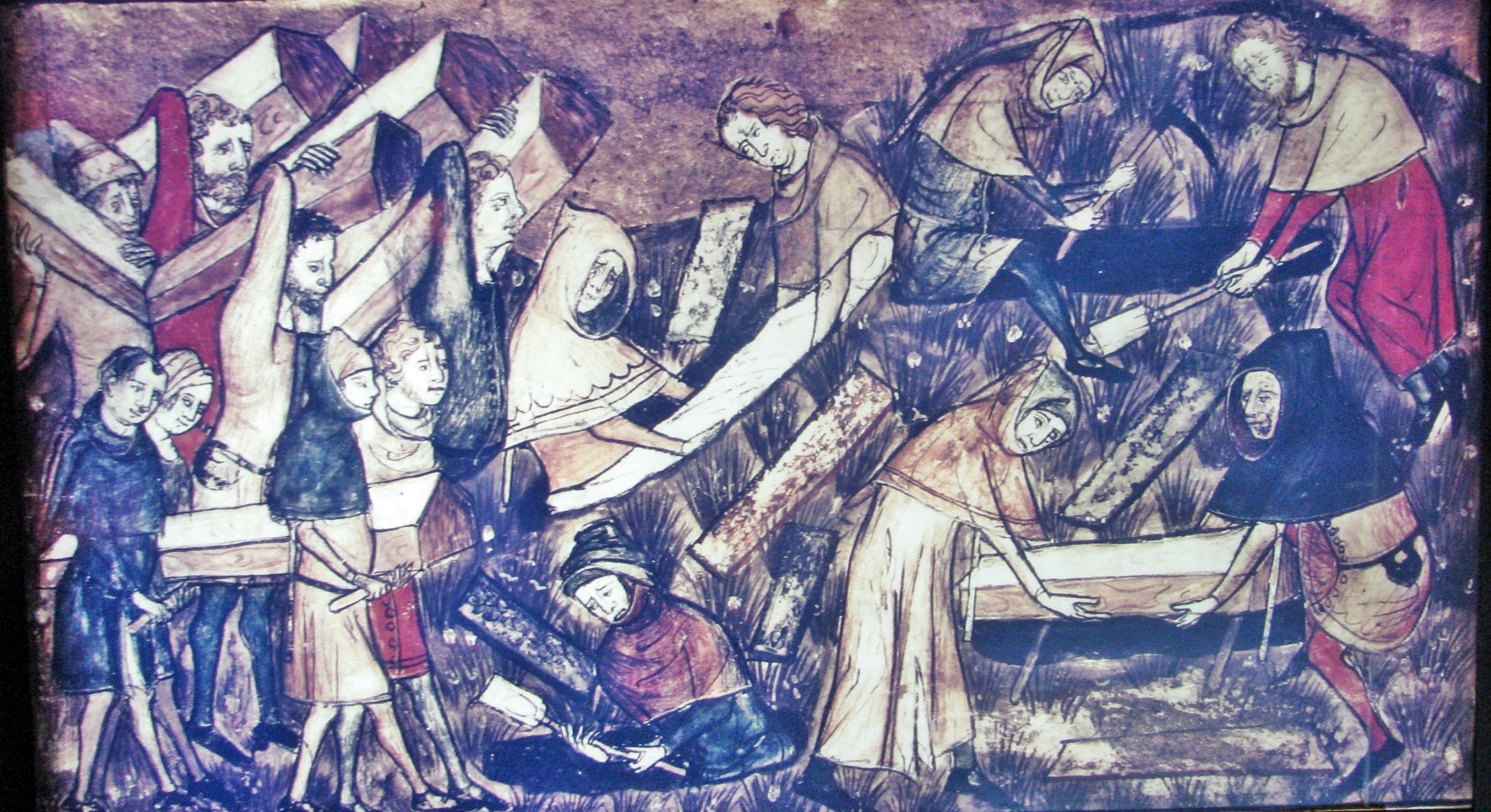
When the Black Death swept across Europe in the mid-14th century, killing an estimated one-third of the continent’s population, fear and confusion shaped both public behaviour and policy.
Among the most tragic consequences was the widespread killing of cats and dogs, animals wrongly believed to spread the plague. This misunderstanding not only deepened human suffering but also allowed the disease to spread with even greater ferocity.

A Misplaced Blame
During the 1340s, medical knowledge was limited, and people looked for visible, tangible causes for the catastrophic illness around them. Cats and dogs, common companions in medieval towns became convenient targets for fear-driven superstition. Many communities culled them en masse, believing this would reduce transmission.
But history shows that these actions had the opposite effect.

What Actually Spread the Plague?
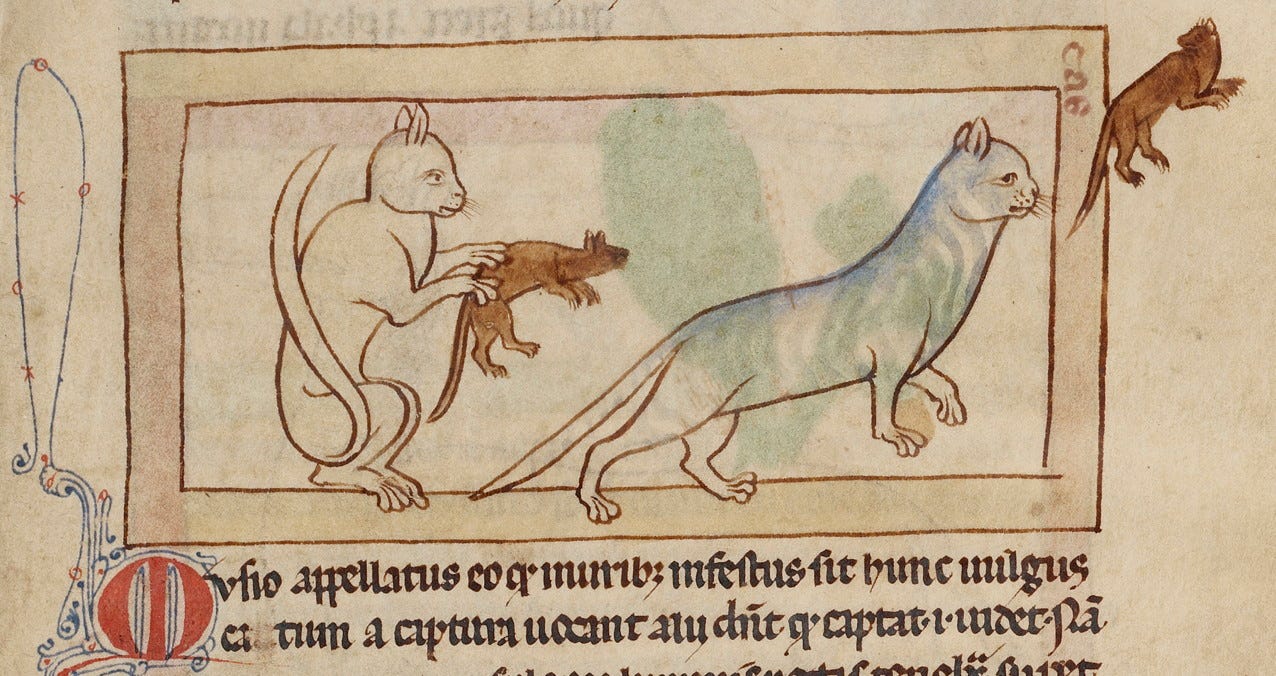
The bacterium Yersinia pestis caused the Black Death. It was primarily transmitted by fleas carried by black rats, which thrived in overcrowded cities with poor sanitation. By removing cats the natural predators of rodents communities unintentionally helped rat populations flourish.
In other words, killing cats and dogs eliminated one of the only natural barriers to the spread of the rat-borne plague.
Stray Animals as Allies, Not Adversaries
Rather than being vectors of disease, cats and many dogs acted as frontline defenders against the rodents that actually carried the plague. Medieval records even describe some cities noticing that neighbourhoods with more cats fared better, though these insights came too late to shape policy.
Today, this historical lesson remains deeply relevant. Fear, misinformation, and scapegoating animals can lead to unnecessary suffering and worsen public health problems. Well-managed stray cat and dog populations can contribute to a healthier urban ecosystem, especially when supported by humane programmes such as:
Trap–Neuter–Return (TNR)
Vaccination and sterilisation programmes
Responsible waste and food management to reduce rodent populations
Public education that challenges myths about disease and animals
Why This History Matters Now
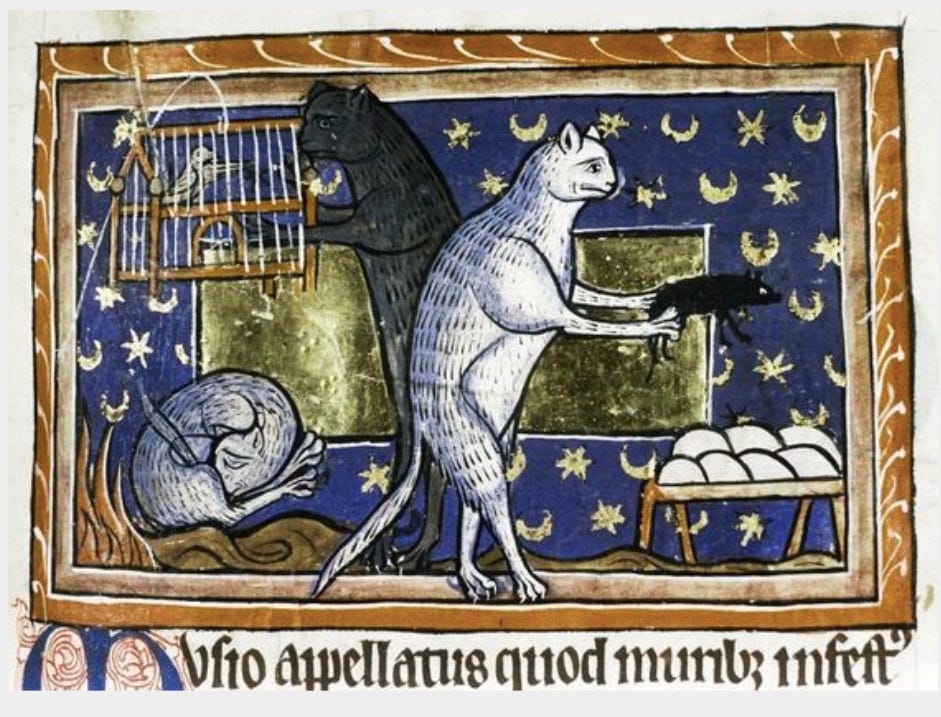
The story of the Black Death reminds us how quickly panic can distort public perception and fuel cruelty toward animals. It highlights the urgent need for science-based policies and compassionate approaches to the animals who share our environments.
Stray cats and dogs are not threats they are sentient beings capable of contributing positively to public health when treated humanely and integrated into evidence-based management systems.
In honouring the lessons of history, we must ensure that fear is never again weaponised against animals who deserve protection, respect, and care.