


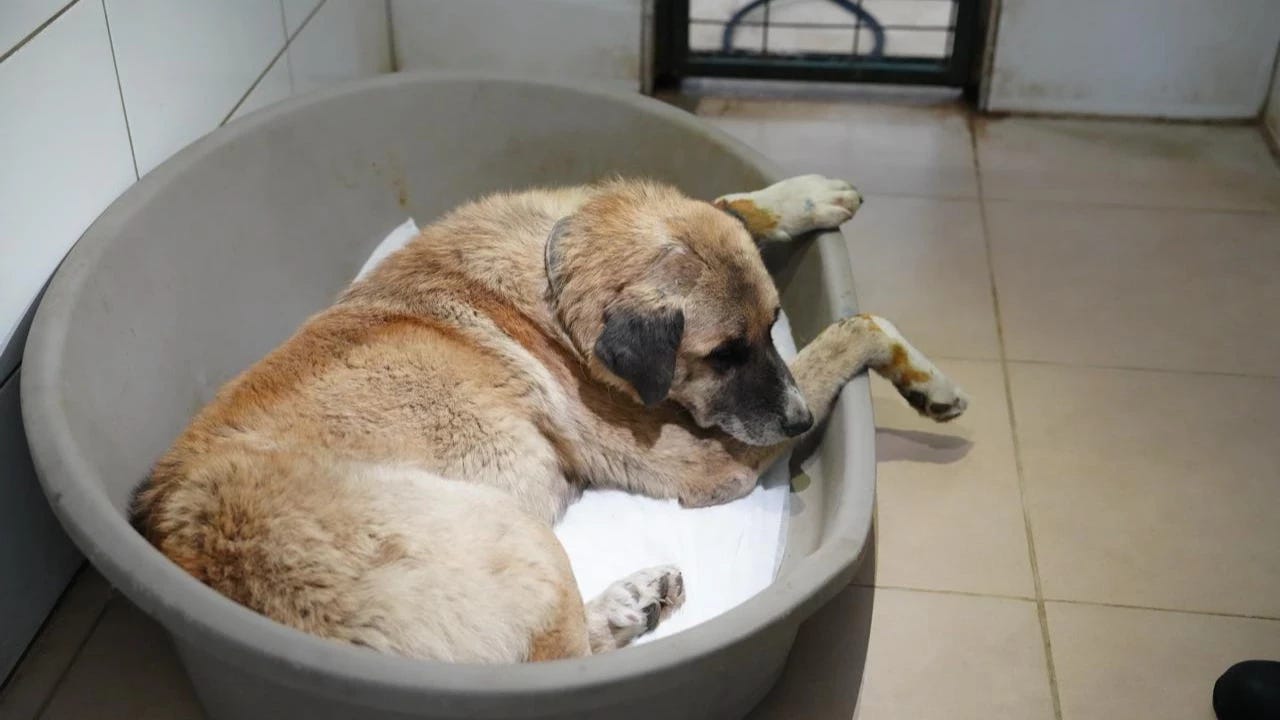
In Bolu, a disturbing incident involving a dog lying on the road has once again raised serious questions about how crimes against animals are handled.
According to reports, a driver ran over a dog that was lying in the roadway and continued driving, dragging the animal beneath the vehicle before leaving the scene. The incident was captured on video and circulated widely, sparking public outrage and calls for accountability.
Authorities later identified the driver and detained him.
However, after appearing before a judge, the suspect was released under judicial supervision (adli kontrol) while the investigation continues.
For many people following the case, the decision has prompted a familiar question:
What exactly does judicial supervision mean and why is it used in cases involving animal cruelty?
What Judicial Supervision Means in Turkey
Judicial supervision (adli kontrol) is a legal measure used within the Turkish criminal justice system during an investigation or trial.
Instead of placing a suspect in pre-trial detention, the court allows them to remain free but imposes certain restrictions.
These can include:
A ban on leaving the country
Regular reporting to a police station or gendarmerie
Restrictions on residence or travel
A financial guarantee (bail)
Other conditions determined by the court
The measure is designed to ensure that the suspect remains under the authority of the judicial system while the investigation proceeds.
If the conditions are violated, the court can order detention.
In theory, judicial supervision balances the rights of the accused with the need for oversight during a criminal investigation.
How It Played Out in the Bolu Case
In the Bolu incident, the driver suspected of running over the dog was brought before a judge after being detained.
The court then ordered judicial supervision rather than pre-trial detention.
This means the suspect is currently not in custody, but remains subject to court-imposed conditions while the investigation continues.
The legal process has not ended.
However, the decision to release suspects under judicial supervision in cases involving violence against animals often leaves the public uneasy.
A Growing Public Frustration
Turkey strengthened its animal protection laws in recent years through Law No. 5199 on the Protection of Animals, introducing criminal penalties for acts of cruelty.
But the way those laws are applied continues to be debated.
Animal welfare advocates argue that detention is rarely used in cases involving cruelty toward animals, even when the incidents involve clear acts of violence.
Instead, suspects are frequently released under judicial supervision.
For campaigners, this creates a perception that crimes against animals are not treated with the same seriousness as other forms of violence.
Why These Cases Matter
The Bolu incident is not only about one driver or one dog.
It reflects a wider issue: how societies respond when animals are harmed.
Legal frameworks can only be effective if they are consistently enforced and if the consequences are seen to reflect the seriousness of the offence.
When incidents involving violence against animals repeatedly end with suspects released under judicial supervision, many people question whether the law is providing a meaningful deterrent.
The Real Test Comes Next
The driver in the Bolu case remains under judicial supervision while the investigation proceeds.
What happens next will depend on the outcome of that legal process.
But the case has already reignited a broader debate in Turkey about enforcement, deterrence, and whether the justice system is fully equipped to respond to crimes against animals.
For animal welfare advocates, the message is clear:
Protecting animals requires not only laws on paper, but consistent and visible accountability when those laws are broken.