


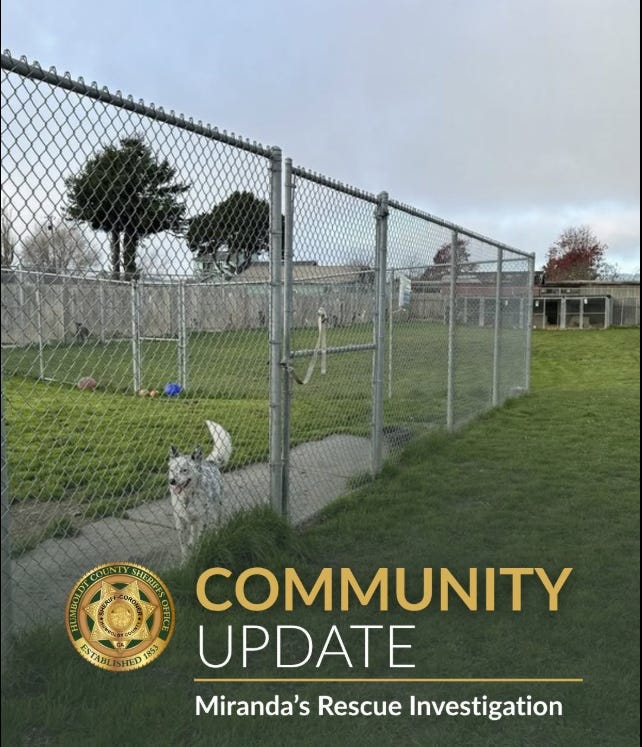
The discovery of at least 117 buried dogs at a self-described no kill rescue in California has become one of the most significant animal welfare investigations in recent years. What began as a local inquiry has expanded into a complex investigation involving local, state and federal agencies as authorities work to establish what happened to hundreds of animals transferred into the organisation’s care.
The scale of the physical evidence recovered is extraordinary.
Investigators have exhumed the intact remains of 117 dogs from two burial sites on the property. They have also recovered 21 canine skulls, hundreds of additional bones and six loose microchips from nearby areas. The remains were found in varying stages of decomposition, indicating that the deaths did not all occur at the same time.
Veterinary forensic teams examined 70 of the recovered dogs at the scene using radiography and other forensic techniques. According to investigators, many of those examinations identified bullet fragments consistent with gunshot wounds. The remaining 47 dogs were collected as evidence and removed for further examination because they could not be processed during the excavation.
Investigators have also identified what they believe may have been the location where dogs were killed. Inside a barn on the property they recovered more than 600 dog collars, numerous spent shell casings and other items now being examined as part of the investigation. Authorities believe the collars may help identify dogs that passed through the rescue and connect them with shelter and veterinary records.
One of the most significant developments is the timeline emerging from the investigation. Detectives believe the recovered dogs were buried between January and April 2026. If that assessment is confirmed through the investigation, it would indicate that the deaths occurred over a period of only a few months rather than accumulating over many years.
Identification of the animals remains a major part of the investigation. Investigators have recovered more than 90 microchips from the remains and surrounding evidence. Those microchips are being matched against shelter, veterinary and registration records to identify individual dogs, establish where they originated and notify the organisations or owners connected to them.
The investigation extends well beyond the dogs already recovered.
Authorities say 918 dogs were transferred to the rescue from public shelters and other organisations between January 2025 and the beginning of the investigation. Records examined so far account for 116 documented adoptions and 71 dogs that investigators have confirmed are alive. The whereabouts or final outcomes of hundreds of other dogs remain under investigation while records are reconciled and individual animals are traced.
It is important to distinguish between what investigators believe and what has been legally established. Authorities have not concluded that every recovered dog died as a result of unlawful acts, the precise cause of death has not yet been determined for every animal, and no criminal charges have been filed at the time of writing. The investigation remains active and investigators continue to analyse forensic evidence and documentary records.
Whatever the eventual outcome of the criminal investigation, the case already raises important questions about oversight within the animal rescue sector.
Animal rescue depends on public trust. Every day, thousands of rescue organisations, sanctuaries, foster carers and volunteers work tirelessly to save animals, often with limited resources and extraordinary dedication. Their work depends upon the confidence of donors, volunteers, municipal authorities and the wider public.
When public shelters transfer animals to private rescue organisations, what responsibility remains to ensure those animals are safe? Is there routine follow up? Are receiving organisations subject to independent inspection? Are detailed records of admissions, transfers, veterinary treatment, adoptions, euthanasia and deaths routinely reviewed? Can every transferred animal be traced throughout its time in rescue?
These are not questions directed solely at one organisation in California. They are questions that every country, state and municipality should be prepared to answer.
The investigation also shines a light on the use of the term no kill. While widely recognised by the public, the phrase does not always carry the same legal meaning across different jurisdictions. Supporters often associate it with a commitment that healthy or treatable animals will not be euthanised, yet the standards governing its use can vary considerably. Greater clarity about what the designation means, and what reporting obligations accompany it, could help strengthen public understanding and confidence.
The overwhelming majority of rescue organisations operate with integrity, compassion and transparency. If wrongdoing is ultimately established in this case, responsibility rests with those involved, not with the countless ethical organisations whose work improves the lives of animals every day.
Public confidence in animal rescue is built not only on compassion but on accountability. When hundreds of animals pass from public shelters into private care, society must be able to understand what happened to them. Robust oversight protects animals, supports responsible rescue organisations and reassures the public that trust has been well placed.
Dog Desk Animal Action will continue to follow this investigation and report verified developments as they emerge, while also examining the wider policy questions it raises for animal welfare systems around the world.