

The Cats Are Quietly Creeping Into Our Work

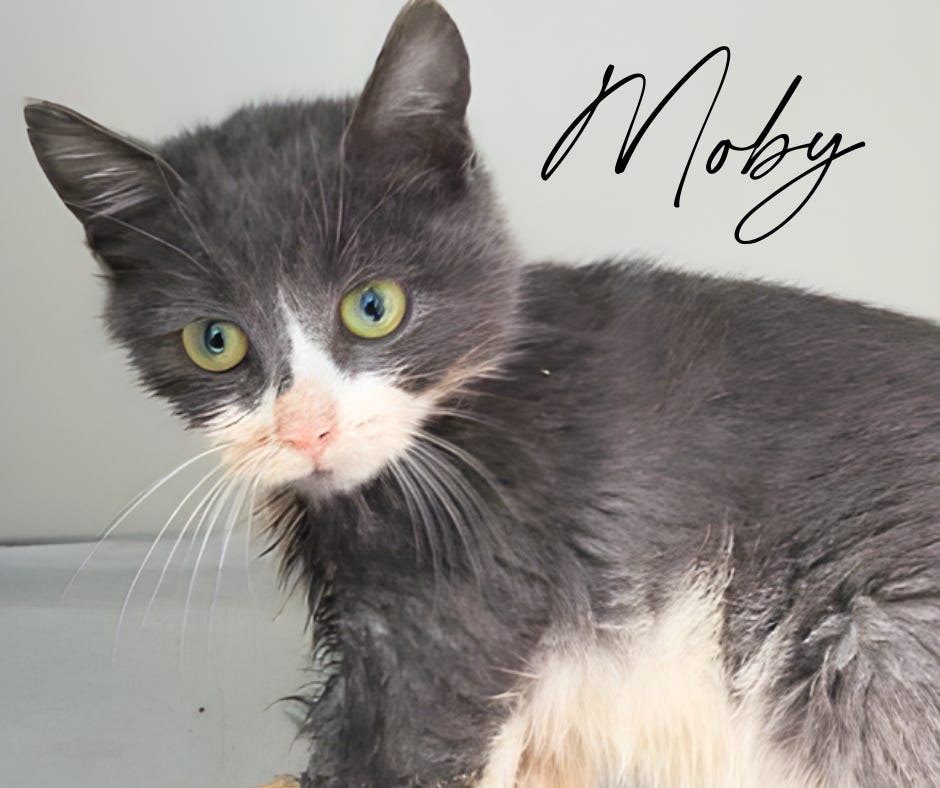
We did not set out to become a cat organisation.
Dog Desk Animal Action was built around street dogs their management, their welfare, the systems that fail them, and the structures required to protect them.
And yet, slowly and without announcement, three cats have crept into our daily work.
Not as a rebrand. Not as a strategy. Simply as a reality.
Mission Drift Or Mission Integrity?
It would be easy to call this mission drift.
But that would assume our mission was species-specific.
It never was.
Our core position has always been clear:
Humane population management
Evidence-based intervention
Lawful and structured practice
Transparency in funding and outcomes
Systems over sentiment
Those principles do not change because the animal purrs instead of barks.
If anything, cats expose whether those principles are genuine.
Cats Exist in the Same Policy Gaps
Cats occupy a more ambiguous social space than dogs.
They are:
Semi-owned
Community-fed
Occasionally feral
Frequently unneutered
Rarely tracked with the same scrutiny as dogs
Where systems are weak, cat populations expand beyond resources. Where public frustration grows, quiet eradication measures begin. Poisoning. Removal. Neglect.
We have seen this pattern with dogs in multiple countries. The structural failure looks the same.
The species changes. The governance gap does not.
The Quiet Creep
The three cats in our care were not acquired as a statement. They arrived because the situation required competence, stability, and follow-through.
That is often how welfare work expands.
Not through grand plans. Through responsibility.
They remind us that welfare ecosystems overlap.
Street dogs and free-living cats share:
Food sources
Human carers
Urban environments
Policy blind spots
To ignore one while addressing the other would be intellectually inconsistent.
Behavioural Reality
There is also a behavioural parallel.
We have written extensively about the complexity of transitioning street dogs into domestic homes, about stress behaviours, pacing, lip-licking, hypervigilance, displacement behaviours.
Cats express stress differently:
Withdrawal
Over-grooming
Inappropriate elimination
Appetite changes
Heightened startle response
Quiet does not equal comfortable.
The species differ in presentation. The welfare science does not.
Expansion Without Noise
We are not pivoting to dramatic cat rescue content.
We are not building spectacle around them.
We are not diluting our focus on structured dog management.
They are simply there, part of the same ethical framework.
If our mission is to advocate for humane, lawful, evidence-based animal management, then its integrity is strengthened not weakened by applying it consistently.
The cats are creeping in quietly because the logic of our work naturally includes them.
What This Really Means
It means:
We will not ignore suffering because it falls outside a label.
We will not expand recklessly for visibility.
We will not perform compassion for engagement metrics.
We will maintain standards across species.
Dog Desk Animal Action remains rooted in structured, principled welfare.
But real-world welfare does not exist in neat categories.
Sometimes it arrives softly.
Sometimes it curls up beside the files.
Sometimes it purrs while you draft a policy brief.
And sometimes, without fanfare, it becomes part of the work.
Quietly.