
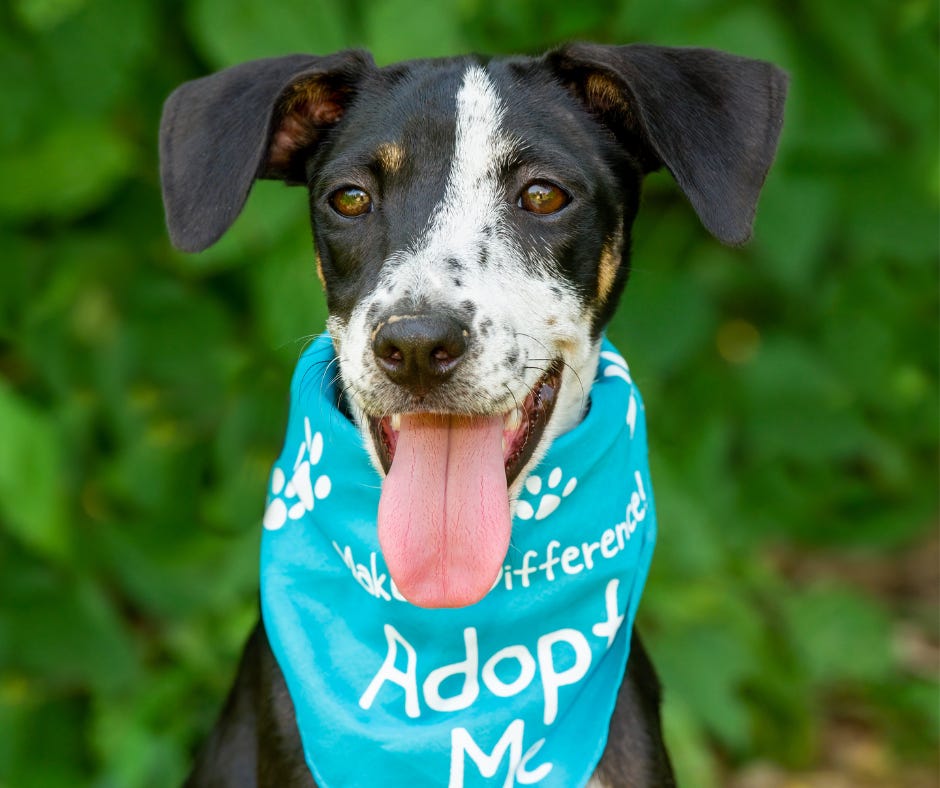
The Crucial Role of Charitable Organisations in the Care and Protection of Stray Dogs in the UK
Across the United Kingdom, thousands of dogs find themselves abandoned, lost, or without adequate care each year.
While local authorities hold a statutory responsibility for stray dogs, it is charitable organisations that form the backbone of compassion, rehabilitation, and long-term welfare for these animals. Without their involvement, the UK’s stray dog crisis would be unmanageable, and countless dogs would face neglect, prolonged suffering, or euthanasia.
Beyond Statutory Duty: Where Compassion Steps In
Local councils are legally required to collect and house stray dogs for a limited period, typically seven days. During this time, efforts are made to reunite dogs with their owners. However, once this statutory period ends, responsibility often falls to charitable organisations.
This is where charities step in providing not just shelter, but comprehensive care. Unlike temporary holding facilities, charities focus on rehabilitation, behavioural support, veterinary treatment, and ultimately, permanent rehoming. Their involvement transforms a short-term legal obligation into a genuine second chance at life.
Providing Specialist Care and Rehabilitation
Many stray dogs arrive traumatised, malnourished, injured, or suffering from untreated medical conditions. Charitable organisations invest heavily in veterinary care, behavioural assessments, and long-term recovery plans often at significant financial cost.
From emergency surgeries to months of behavioural rehabilitation, these organisations ensure that dogs are not merely housed, but actively supported to recover both physically and emotionally. This level of care is rarely achievable without charitable funding, volunteer expertise, and specialist staff.
Reducing Pressure on Public Services
The work of charities significantly alleviates pressure on already overstretched public services. By accepting dogs after the statutory holding period, charities prevent overcrowding in council kennels and reduce the likelihood of euthanasia due to lack of space or resources.
In doing so, they create a collaborative safety net, one that relies on cooperation between local authorities, veterinary professionals, foster networks, and rescue organisations. This partnership model is essential to maintaining humane standards of care nationwide.
Education, Prevention, and Responsible Ownership
Charitable organisations do not only respond to crisis; they work tirelessly to prevent it. Through public education campaigns, community outreach, neutering programmes, and responsible ownership initiatives, charities address the root causes of stray dog populations.
By promoting microchipping compliance, offering low-cost veterinary services, and educating prospective owners, these organisations help reduce abandonment and accidental litters, key contributors to the stray dog problem.
Community Impact and Ethical Responsibility
The presence of strong charitable involvement reflects a society that values animal welfare as a moral responsibility, not an inconvenience. Charities operate at the heart of communities, supported by volunteers, donors, and foster carers who give their time and resources to protect vulnerable animals.
Their work reinforces the principle that stray dogs are not disposable, but sentient beings deserving of dignity, care, and security.
A Sector That Deserves Protection and Support
Despite their essential role, animal welfare charities face increasing challenges, rising veterinary costs, increased intake numbers, and limited funding. Their ability to continue safeguarding stray dogs depends on sustained public support, fair policy frameworks, and recognition from authorities.
Protecting and strengthening this sector is not optional; it is fundamental to ensuring humane, effective stray dog management in the UK.
Conclusion
Charitable organisations are not a peripheral part of the UK’s response to stray dogs they are central to it. Their expertise, compassion, and commitment bridge the gap between legal obligation and genuine welfare. Without them, the system would fail its most vulnerable animals.
Supporting these organisations through funding, volunteering, responsible ownership, and advocacy is not just an act of kindness. It is a vital investment in a more humane, ethical, and compassionate society.


