
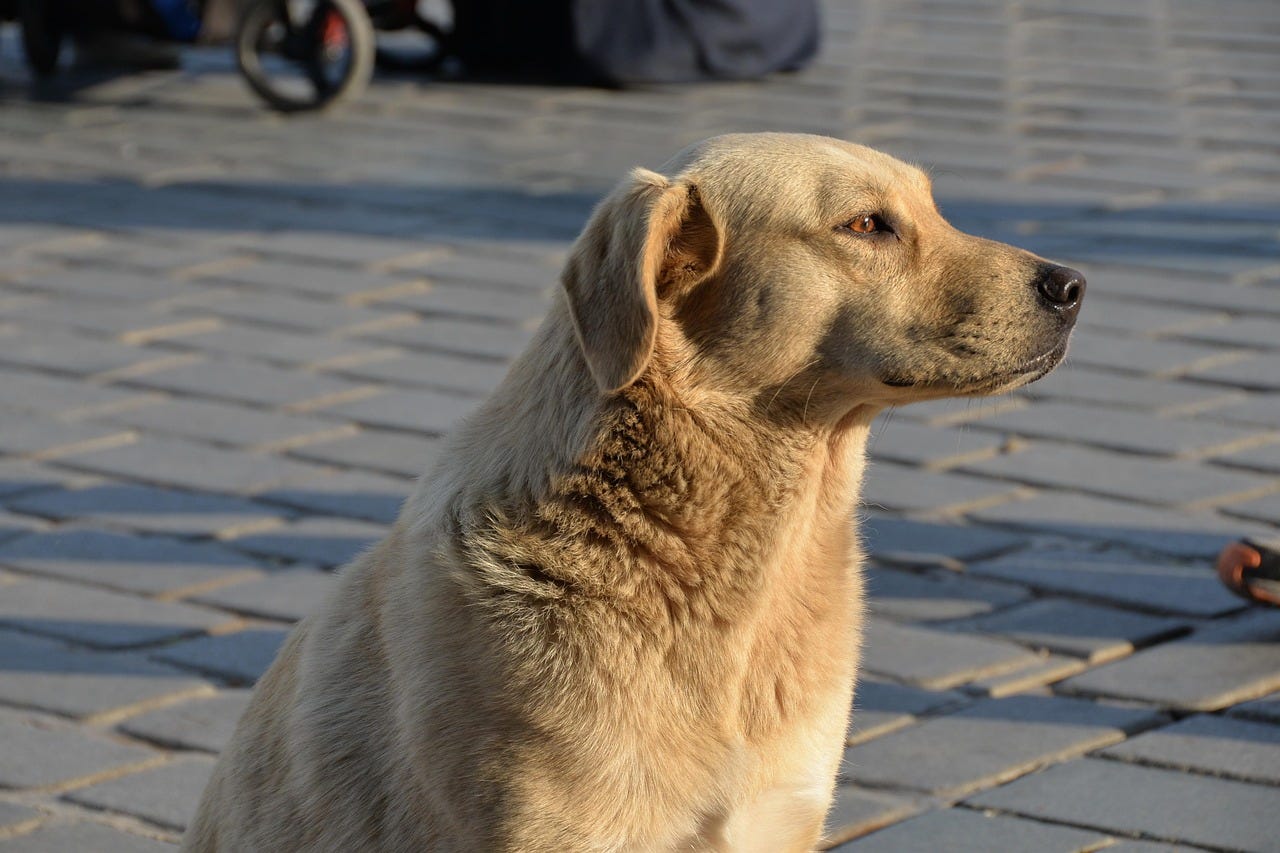
The Curse Of The Dogs
Is history repeating itself?
In late 2023, President Erdogan addressed the issue of stray dogs, advocating for the adoption of a European-style dog management model to better control the stray population. His speech sparked discussions and eventually led to amendments to The Animal Protection Law (Law 5199, 2004). I've explored these changes thoroughly and outlined numerous challenges I foresee in implementing this new approach.
One of the significant challenges is the adaptation of current infrastructure to support such a comprehensive management system. This will require significant investment and coordination between various governmental and non-governmental organizations. Additionally, public awareness and involvement are crucial for the success of such a model, yet the current societal attitudes towards stray animals pose a barrier.
Another hurdle is the legal and bureaucratic processes involved in enforcing the amended law. Streamlining these processes is essential to ensure timely and effective action. Furthermore, training personnel to handle and care for stray dogs in line with the new guidelines is a task that demands both time and resources.
There's also the question of how to balance animal welfare concerns with public safety. Ensuring that the rights of the animals are respected while addressing the concerns of those affected by stray dog populations is a delicate task that requires careful planning and execution.
Overall, while the amendments to The Animal Protection Law signify a positive step towards managing the stray dog population, the transition to a European-style model presents multiple challenges that need to be addressed to ensure its successful implementation.
I'm deeply concerned about the current demands placed on mayors to collect stray dogs, especially when there are no shelters available to house them. It's a challenging situation since mayors are expected to manage this issue without the necessary facilities. For those who do have shelters, the pressure to accommodate more dogs than the shelter can handle poses a significant problem.
Confining dogs that are used to roaming freely into inadequate spaces is detrimental to their well-being. Without sufficient interaction, food, and water, these dogs may become aggressive, leading to potential injuries and even fatalities. Moreover, overcrowding increases the risk of disease outbreaks, which could result in further loss of life. It's evident that without proper infrastructure and resources, the welfare of these animals is seriously compromised.
Addressing the concerns surrounding aggressive dogs and the risk of zoonotic diseases like rabies is indeed crucial. It is important to recognize the validity of these worries and to take them seriously. However, resorting to methods such as culling is not a viable solution. Such actions inevitably lead to unnecessary pain and suffering for both dogs and humans, without effectively solving the underlying issues. Instead, it is essential to explore humane and sustainable alternatives that focus on education, vaccination, and responsible pet ownership. By doing so, we can work towards creating a safer environment for everyone while respecting the lives of these animals.
In 1910, Sultan Mahmud II, in an effort to modernize the city of Istanbul and under the influence of Western pressures, decided to address the issue of the city's stray dogs. At the time, Istanbul had a large population of stray dogs, which was seen as problematic. As part of this initiative, the Sultan ordered the collection of the strays. They were subsequently sent to the island of Sivriada, also referred to by locals as Hayırsızada. This action sparked considerable controversy and public discontent, as many people viewed it as a cruel measure.
The island presented a desolate picture, devoid of life, its surface a harsh and inhospitable expanse of rock. The absence of trees and any source of nourishment rendered it a place of despair for the abandoned dogs. Left to their fate, they endured unimaginable hardship. In their desperation, they turned on each other, the stronger dogs overpowering the weaker ones, driven by the pangs of starvation to consume their fallen companions. Some, in a desperate bid for survival, ventured into the surrounding waters, attempting to swim back to the distant shore, only to succumb to the depths, their efforts ending in tragedy.
The citizens of Istanbul were deeply disturbed by the removal of the dogs, leading to widespread protests that were ultimately ignored. Pierre Loti, a French naval officer who witnessed these events, recorded the tragic fate of the dogs. He described how they were condemned to a brutal massacre, despite not having harmed anyone. The task was so dreaded that no Turk wanted to undertake it, fearing it would bring a curse upon them. He said the only people who wanted the work were thugs & bandits. The heart-wrenching cries of the dying dogs on the island resonated throughout the city, casting a shadow over its inhabitants.
Soon after this cruel incident, Istanbul suffered an earthquake that devastated the city. Many saw this as punishment for their cruel actions toward the dogs, and they believed that they were cursed. The belief in curses and divine retribution has deep roots in many cultures, and for the people of Istanbul, this natural disaster seemed to serve as a reminder of the consequences of their deeds. Stories spread quickly, with people recounting tales of the dogs' plight and how the earth itself seemed to shake in response to the injustice they faced.
It's frustrating to think that after more than a century, dogs, despite having faced extreme efforts to eliminate them, which failed, are once again under threat of eradication. This relentless cycle is disheartening, as history seems to repeat itself with another attempt to wipe them out.


