
The Dangerous Directives Against Feeding Stray Animals in Turkey
Why is starving compassion okay?
Across Turkey, caring citizens who put down bowls of food or water for hungry cats and dogs are increasingly finding themselves targeted. Municipal directives and local authority orders in several provinces now forbid the feeding of stray animals in public spaces. In some regions, food and water bowls have been confiscated, and those who persist in helping animals are threatened with fines.
One body for example publicly announced on social media that:
Because stray dogs will be cared for in shelters, feeding them on the streets is completely forbidden… An end to uncontrolled feeding!
The same post listed areas where feeding is explicitly prohibited, including roadside verges, forests, the vicinity of airports, schools, hospitals, public buildings, and places of worship. The body confirmed its role by convening the Provincial Animal Protection Board where these decisions were formalised and then shared them through its own official channels.
These statements, echoed across social platforms, make clear that feeding bans are not isolated incidents but official policy, backed by authority.
Why Feeding Matters
For decades, millions of dogs and cats have lived on the streets of Turkey. They are not there by choice; abandonment, neglect, and a lack of effective spay/neuter programmes have created a vast stray population. These animals survive almost entirely because of the kindness of volunteers and ordinary citizens who provide food and water.
To forbid this act of compassion is to condemn animals to starvation. It is also to criminalise empathy—a dangerous message for any society.
The Legal Grey Zone
Turkey’s national animal welfare law (No. 5199) does not criminalise feeding strays. In fact, it obliges municipalities to provide care, including food and shelter, for street animals. Yet, local directives directly contradict this by banning feeding in public areas.
These restrictions are justified under the pretext of “public health” or “preventing nuisance,” but they fly in the face of the law’s intent. Worse, they are used as tools of intimidation against volunteers, with police and municipal workers sometimes harassing or threatening those who refuse to let animals go hungry.
The Human Cost
Banning feeding is not only an act of cruelty toward animals—it is also profoundly distressing for the thousands of people who care for them. Volunteers, many of whom spend their own limited income on sacks of food, are left with the unbearable choice of obeying unjust directives or watching helplessly as animals they know by name starve.
What This Really Means
The banning of feeding is not a neutral act. It is part of a broader agenda that seeks to erase stray animals from public life, often through violent or inhumane means.
Starving them is simply a slower, quieter method of removal.
The directives also deepen a climate of fear and hostility, fuelling anti-dog and anti-cat propaganda in the press and online. Instead of tackling the root causes of the stray crisis—abandonment, lack of sterilisation, and inadequate shelter provision—authorities are targeting the very people who step in where the state has failed.
A Call for Compassion and Lawful Action
Feeding bans must be challenged, both legally and socially. Citizens must be made aware that such directives contradict national law and basic moral responsibility. Municipalities should be held accountable for failing to fulfil their duty of care. And the voices of compassion—the feeders, the volunteers, the ordinary people who refuse to walk past a hungry animal—must not be silenced.
The measure of a society is how it treats its most vulnerable. To forbid feeding stray animals is to fail that measure.
Until there is a nationwide commitment to humane population control through sterilisation, proper sheltering, and public education, feeding remains a lifeline. Starving the animals is not a solution. It is an abdication of responsibility—and a betrayal of humanity itself.
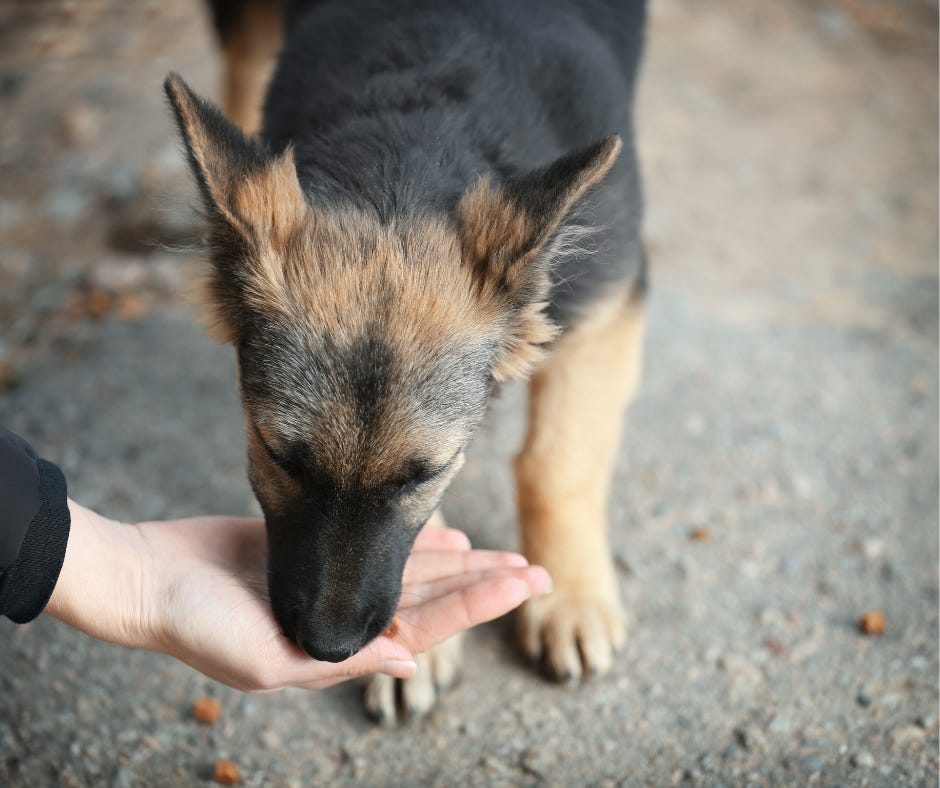
Authors note. The images used in this blog are stock photos & may be from countries outside Turkey. This is done to protect the dogs & the people that feed them on the streets.


