
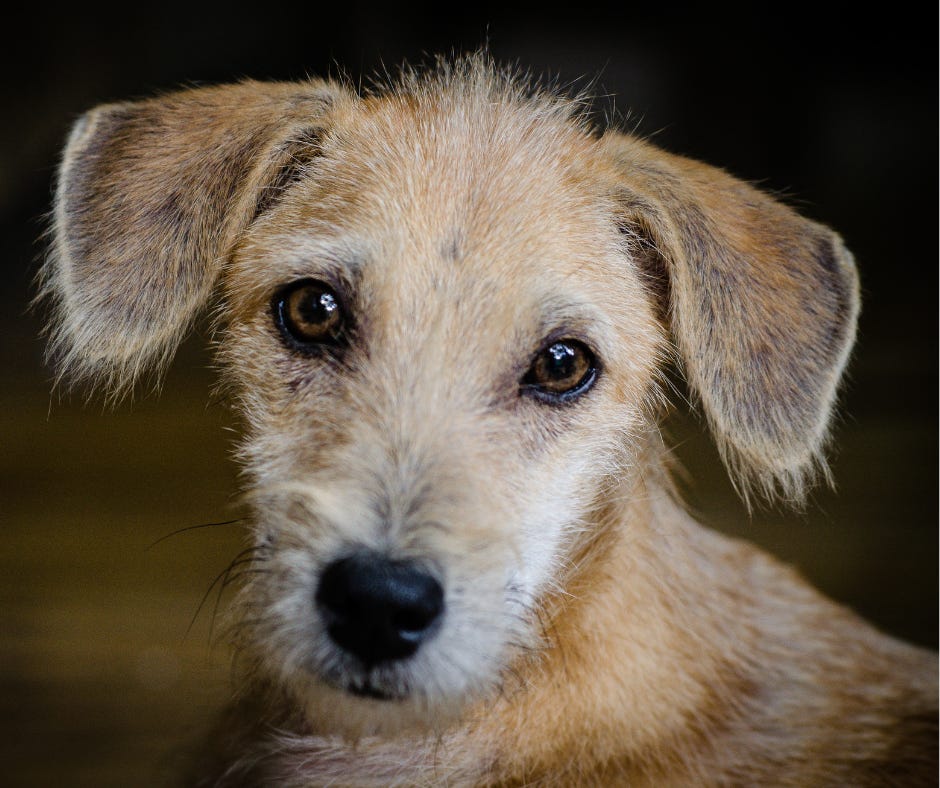
The Dangerous Shift in Stray Dog Adoptions
In recent months, a troubling trend has taken hold in the world of animal rescue: certain stray dogs become desirable not because of who they are, but because of the publicity surrounding them. A dog survives a horrific accident, appears in a viral video, or becomes the centre of a news story and within hours, adoption requests flood in.
At first glance, it looks like a good problem to have. A once-forgotten dog is suddenly wanted. But behind this surge in attention lies a dangerous shift in the motivations driving some adopters and a heart breaking consequence for the countless other animals who remain invisible.
This is the reality many animal rescue organisations, are navigating every day.
The psychology behind the rush to adopt a widely seen or famous dog is powerful and often subconscious.
Parasocial Relationships: “I feel like I already know this dog.”
When people follow a rescue story online, they begin forming a parasocial relationship, a one-sided emotional attachment built from curated moments. They feel connected, invested, almost entitled, despite never having met the dog in real life.
To them, adoption feels like the natural next chapter. But to the dog, this stranger is exactly that a stranger.
The Halo Effect: “If they’re special in one way, they must be special in every way.”
A dramatic rescue story can distort perceptions. Through the halo effect, people assume a dog who survived tragedy must be gentle, grateful, loving, easy.
In reality, these dogs often suffer from behavioural challenges that require patience and expertise.
Social Signalling & Virtue Signalling
Social media has turned identity into a performance.
Adopting a high-profile dog can become a form of social signalling, a way to broadcast compassion or heroism.
A photo with the famous rescue earns praise
Followers applaud the good deed
The dog becomes a symbol of the adopter’s kindness
This isn’t always malicious; much of it is unconscious. But when appearance becomes the priority, the dog becomes a prop, not a partner.
Doing good to be seen doing good
In performative altruism, the motivation to help is intertwined with a desire for recognition.
A public-facing dog provides instant visibility
Shares
Likes
Comments
Emotional validation
The Saviour Complex
Some individuals experience a psychological need to save others to feel valuable without even knowing it.
A traumatised, publicised dog becomes the ideal subject, a dramatic story waiting for a hero.
Viral dogs often need the most experienced homes
The dogs who become famous are usually:
Injured
Frightened
Chronically ill
Disabled
Behaviourally fragile
They require time, money, expertise, and emotional resilience not impulsive decisions or unrealistic expectations.
Impulse adoptions lead to returns and trauma
When someone adopts for the wrong reasons, attention, praise, emotional fulfilment the dog is at risk of being:
Overwhelmed
Misunderstood
Returned
Re-traumatised
A dog who has already survived the worst deserves better than becoming a social media accessory.
Other dogs disappear into the shadows
While one dog receives 500 adoption inquiries, hundreds of thousands of equally deserving dogs receive none at all:
Elderly dogs
Timid dogs
Ordinary dogs
Dogs who’ve been waiting years
They are no less loving, no less worthy. They simply lack airtime.
What We Need to Hold On To
Adoptions based on compatibility, not visibility
A viral video doesn’t tell you:
If the dog is reactive
If they’re good with children
If they have chronic pain
If they need behavioural rehabilitation
If the adopter can handle breed traits
Trust the rescue’s assessment they know the dog, not the internet.
Look beyond the headline dog
If you felt moved by one dog’s story, that compassion is real but it doesn’t have to be limited to that single animal.
Let it open your eyes to the many others who are just as deserving.
Support rescues in sustainable ways
Not everyone can adopt, but everyone can help:
Foster
Share posts from smaller rescues
Donate
Volunteer
Speak out against the harm of popularity-driven adoption
Recognise that a dog is a life, not content
A rescue dog needs:
Time
Safety
Routine
Rehabilitation
Stability
Not likes. Not followers. Not applause.
Every Dog Deserves a Chance, not just the viral ones
The dogs who capture the world’s attention absolutely deserve love and care.
But so do the ones whose stories never make it online.
So do the ones who aren’t glamorous.
So do the ones nobody writes about.
If we allow virality to define worth, we risk abandoning the very animals who need us most.
Compassion is not a competition.
Adoption is not a performance.
And no dog should have to become famous to be considered worthy of a home.


