

The Day a “Wolf” Went to the Olympics

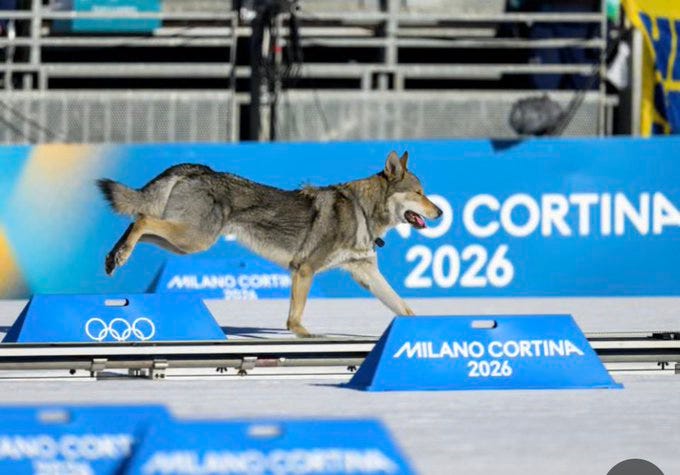
For a moment, the story looked like something out of folklore.
Athletes moved through the snow in careful rhythm, skis cutting quiet lines into the course, when a large grey animal appeared at the edge of the track and began running alongside them. Cameras turned instantly. Commentators hesitated. Online, viewers tried to work out what they were seeing.
A wolf had entered the Olympic Games.
At least, that is what people believed.
The animal moved confidently among people, crossing the route without urgency, not fleeing the noise or the crowds. It didn’t behave like a creature lost in panic. Instead it seemed to belong there, following the movement and energy as if it had simply joined an activity already underway.
Later, the explanation arrived.
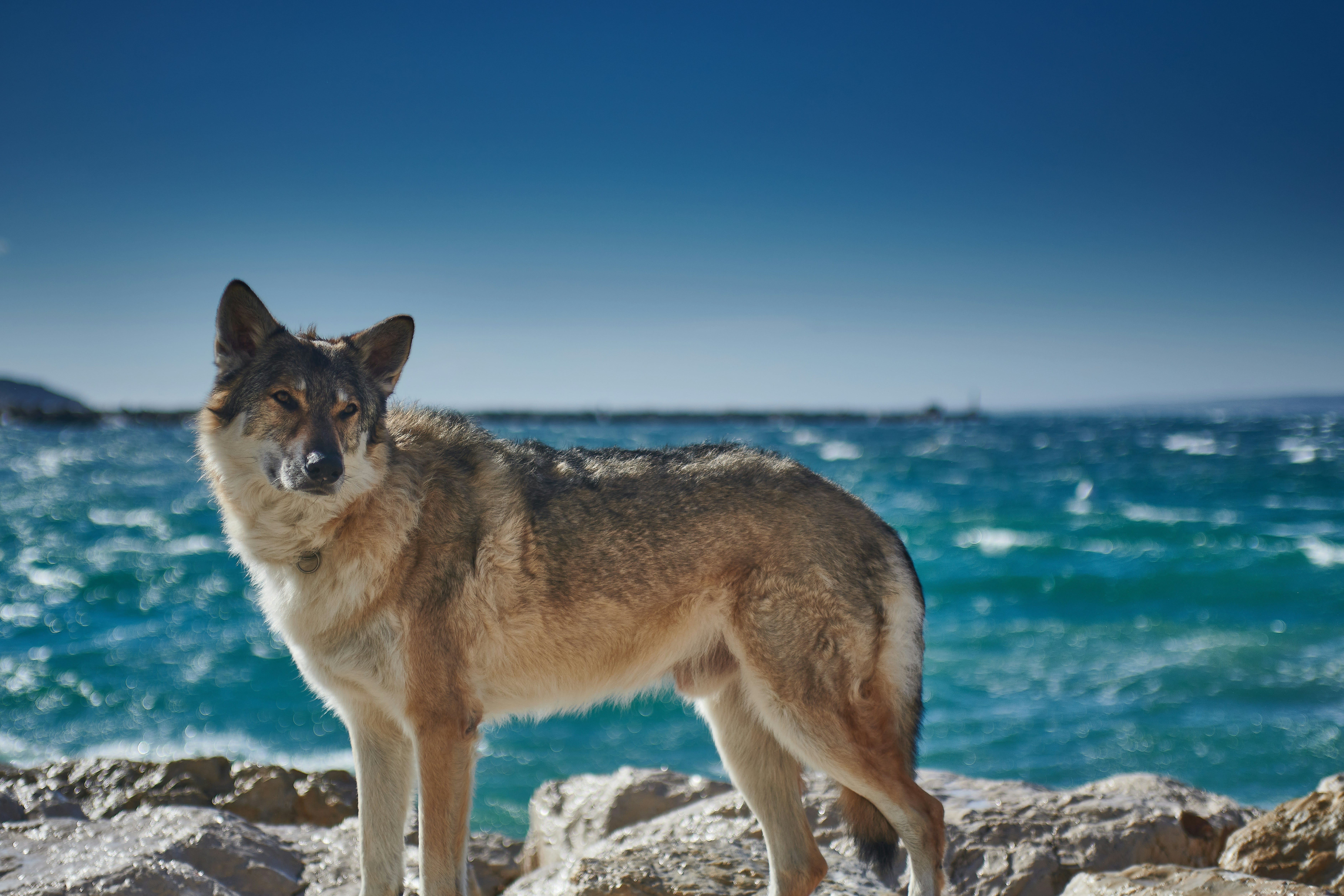
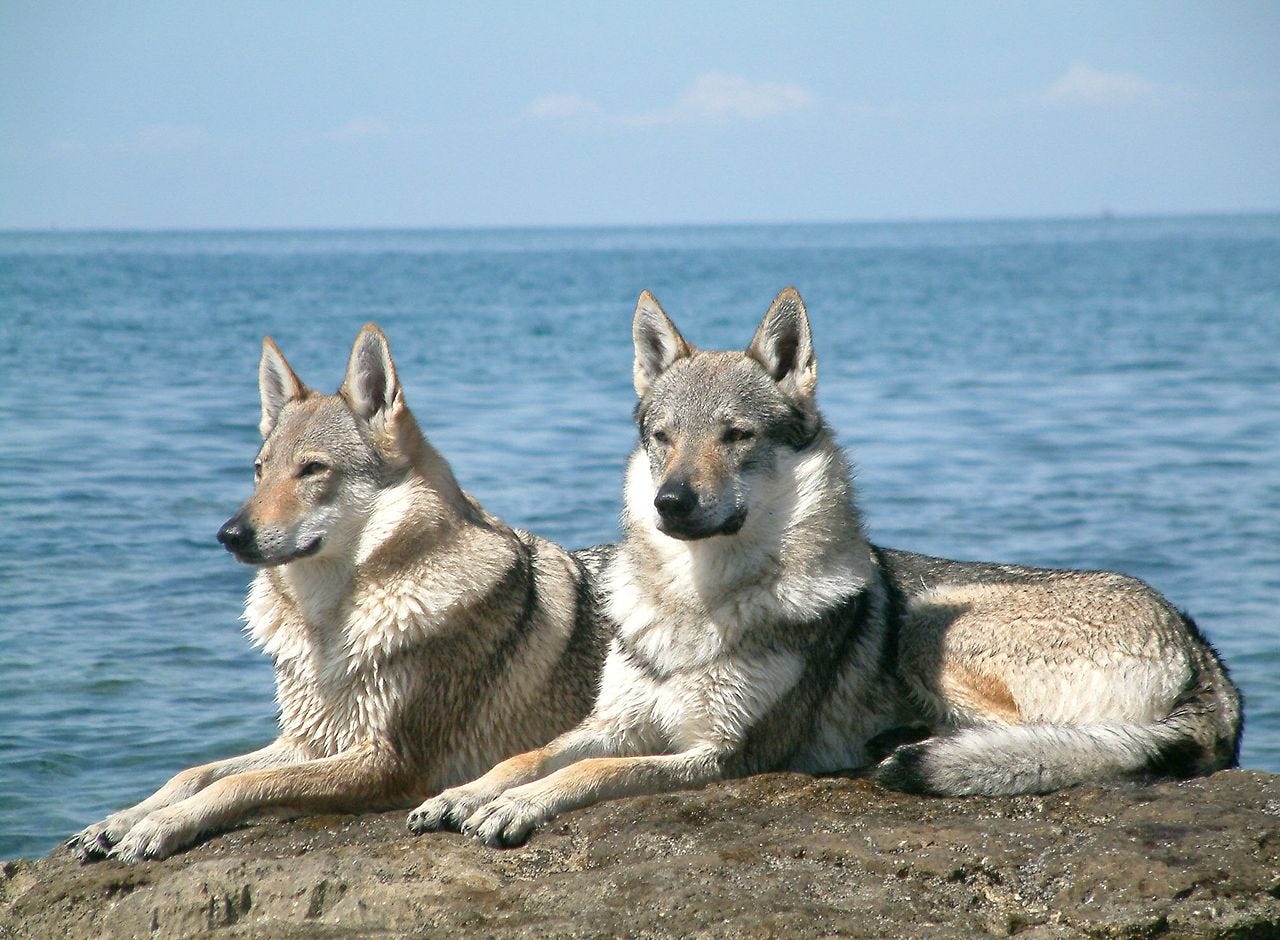
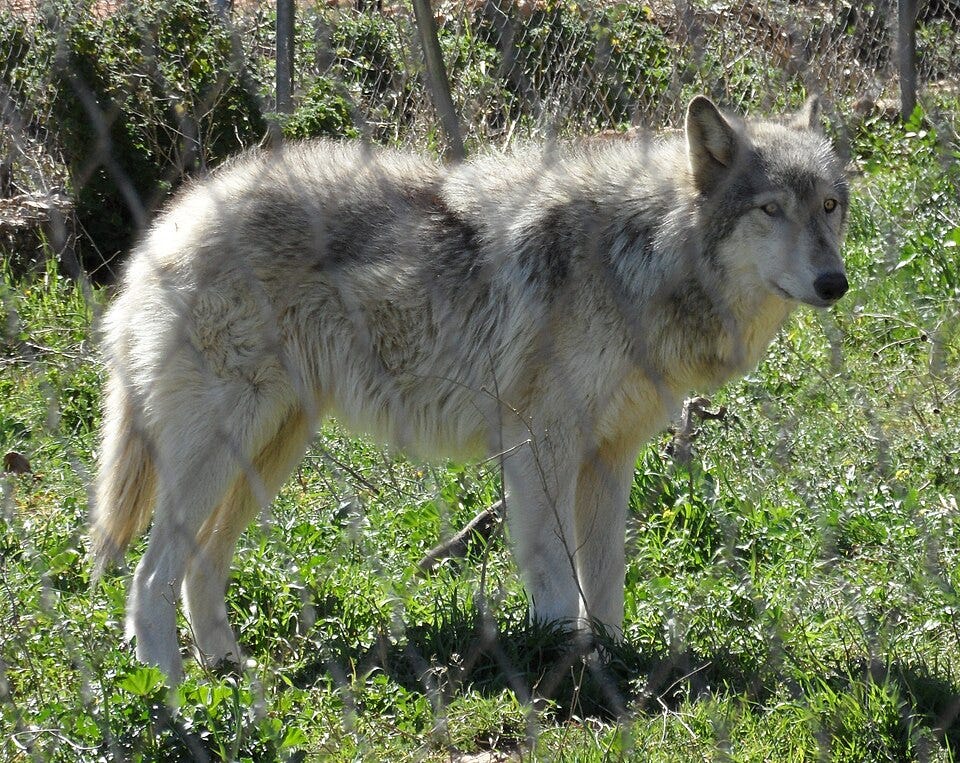
It wasn’t a wolf at all, but a wolf-dog, a domestic animal whose appearance carries the shape of wild ancestry while its behaviour remains firmly social.
The distinction matters more than it first appears.
The Difference Between Wild and Domestic
Wild animals avoid human gatherings whenever possible. Their survival depends on distance. They watch before they move, retreat before they are noticed, and disappear long before they are approached. Even when displaced, they hesitate at the boundary between their world and ours.
Dogs do the opposite.
Domestication did not just change the dog’s body. It changed its map of safety. Over generations, survival shifted from avoiding humans to staying near them. The human presence became the reference point, the place food, warmth, and predictability were most likely to exist.
So when a dog finds itself uncertain, it does not retreat from activity.
It moves toward it.
What looked like a wild animal entering a human space was actually a social animal searching for its centre.
Why It Followed
The wolf-dog had slipped away and gone looking for the people it knew were nearby. The crowds, the movement, the voices, these were not threats but signals. In a confusing environment, the safest decision a dog can make is often simple: go where humans are.
This is something people misunderstand about dogs repeatedly. We imagine independence where there is orientation. We assume exploration where there is attachment.
A dog does not need to understand a place to move through it.
It only needs to believe the right beings are there.
What It Shows Us
The moment went viral because it looked dramatic: nature interrupting order, wildness entering a controlled event. But the reality was quieter and more revealing.
It was not wildness at all. It was trust.
Dogs navigate the world through relationship. They read human presence as safety even when the situation is unfamiliar. This is why lost dogs often appear near shops, roads, bus stops, or gatherings. It is why street dogs linger near markets and doorways. It is why rescue dogs follow volunteers into places they have never seen before.
They are not choosing locations. They are choosing proximity.
A Familiar Pattern
People sometimes ask why dogs approach humans after disasters, noise, or upheaval. The assumption is curiosity or desperation. More often it is simply orientation, returning to the point the species has depended on for thousands of years.
In uncertainty, dogs do not scatter into wilderness. They gather around us.
So the image of a “wolf” at the Olympics becomes something else entirely: a domestic animal using the same strategy dogs everywhere use, moving toward human activity because that is where survival has always been found.
The Quiet Truth
The most striking part of the moment was not that an animal entered the Games.
It was that, surrounded by noise, movement and strangers, the animal did not panic. It ran alongside people as though the space made sense simply because humans were in it.
For dogs, the world is not organised by geography. It is organised by relationship.
And sometimes that leads them into extraordinary places not because they are wild, but because they are not.