
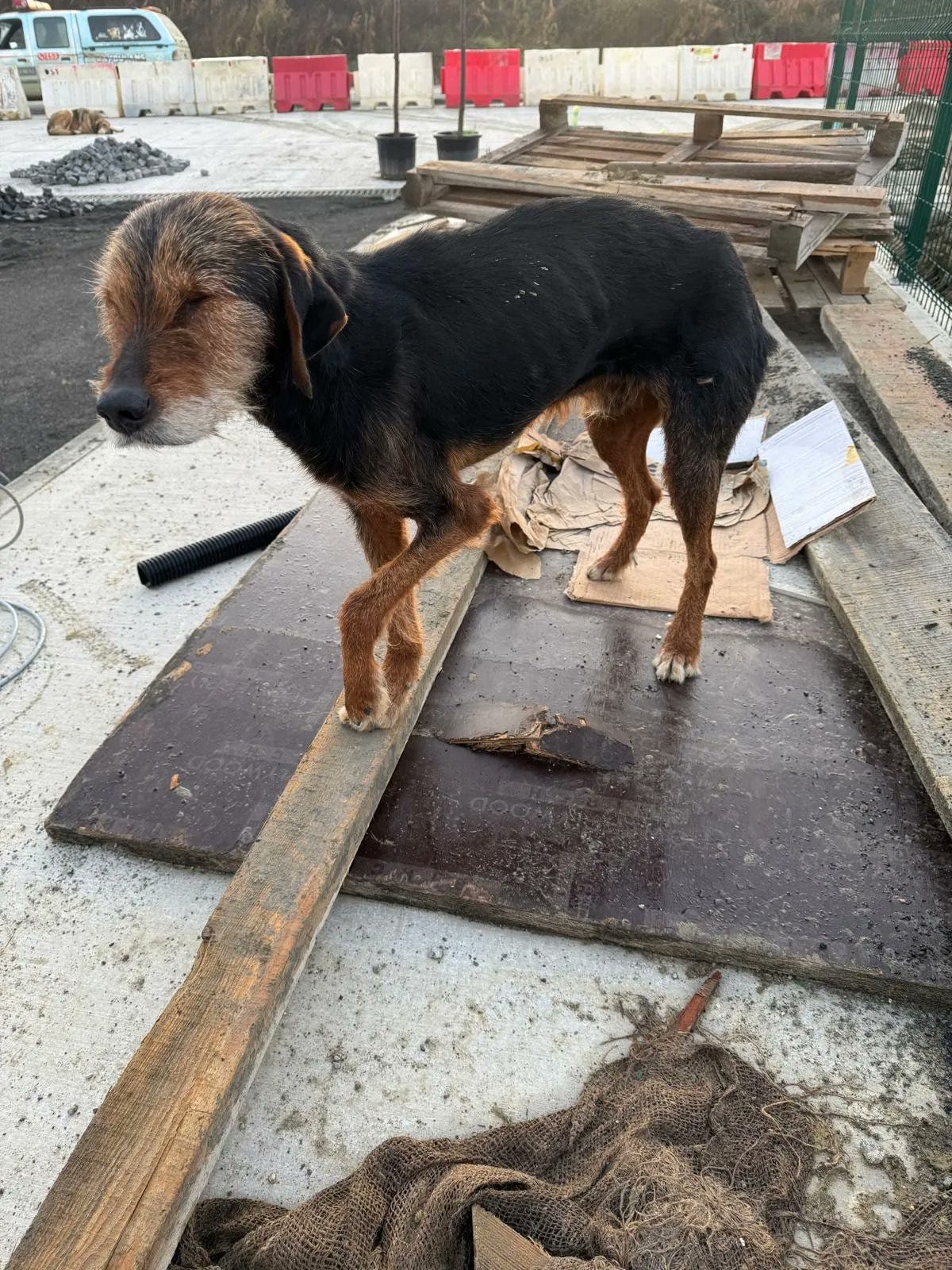
The Hidden Crisis: Why So Many Hunting Dogs Are Abandoned in Turkey
In the picturesque countryside of Turkey, hunting is a long-standing tradition woven into the cultural fabric. But behind this heritage lies a heartbreaking and often overlooked consequence: the widespread abandonment of hunting dogs. Each year, thousands of dogs—especially breeds like Pointers, Setters, and Spaniels—are cast out to fend for themselves once they are no longer deemed useful.
This isn’t simply a matter of individual neglect; it’s a systemic issue, rooted in cultural practices, economic pressures, and the absence of robust animal welfare enforcement. Understanding the causes behind this abandonment crisis is the first step toward addressing it.
Seen as Tools, Not Companions
In many rural communities, hunting dogs are treated less as sentient beings and more as disposable tools. Valued primarily for their performance during hunting season, these dogs are often discarded when the season ends or when they no longer meet expectations. If a dog is injured, underperforms, or simply ages out of usefulness, abandonment becomes the solution.
This utilitarian mindset contributes to a cycle where dogs are routinely bred, used, and cast aside without consideration for their long-term wellbeing.
Failure to Perform Means a Death Sentence
In environments where utility outweighs empathy, dogs that fail to meet hunting standards are quickly deemed expendable. There is little patience for training difficulties or compassion for injuries. Rather than being rehabilitated or rehomed, many are simply left to survive—or die—on the streets.
These animals, raised in kennels or isolated enclosures, are often ill-equipped to survive in the wild. Without food, shelter, or road awareness, they fall victim to starvation, abuse, disease, or traffic accidents.
Weak Enforcement of Animal Welfare Laws
Turkey does have animal protection laws on the books, but enforcement is inconsistent. In rural areas in particular, there is little oversight or consequence for those who abandon animals. Without meaningful penalties or monitoring, the practice continues unchecked.
Shelters, too, are overburdened and underfunded, making it nearly impossible to absorb the volume of animals abandoned each year.
Economic Pressures and Lack of Resources
The rising cost of living in Turkey has placed additional strain on rural populations. Veterinary care, vaccinations, sterilization, and even basic pet food are often unaffordable for many households. When a dog becomes a financial burden—especially outside of hunting season—abandonment is seen as a viable, if tragic, solution.
Additionally, the cost and effort required to humanely surrender a dog or transport it to a shelter are often beyond reach for families already struggling to meet their own needs.
Unregulated Breeding and Overpopulation
Uncontrolled breeding is another major driver of the crisis. Hunting dogs are bred for sale, sport, or tradition, often without regard for population control or long-term care. Puppies that don’t display strong hunting instincts or desirable traits are frequently abandoned.
Without a national system for responsible breeding, sterilization, or licensing, the cycle of overpopulation and abandonment continues to grow.
Changing Attitudes in Urban vs. Rural Areas
There is hope. In Turkey’s urban centers like Istanbul and Izmir, public sentiment toward animals is evolving. Animal rights groups, rescue organizations, and individual advocates are working tirelessly to raise awareness, rescue strays, and promote responsible ownership.
However, in rural regions where hunting is more common and economic resources are scarce, attitudes remain deeply ingrained. Changing hearts and minds in these areas will take time, education, and policy reform.
A Call to Action
The plight of hunting dogs in Turkey is a hidden crisis—largely invisible to those outside the region but deeply painful for the animals caught in its wake. If we are to end the cycle of abandonment, a multi-pronged approach is needed:
Stronger enforcement of animal welfare laws
Education campaigns to promote responsible ownership
Support for rural communities in accessing veterinary care and sterilization
Partnerships with local shelters to increase capacity and outreach
International advocacy to draw attention and resources to the issue
Every dog deserves a life free from suffering and neglect, regardless of its utility to humans. Until we shift the perception of hunting dogs from tools to companions, their fate will remain a tragic footnote in Turkey’s rural life.


