

The Hidden Toll of Traffic Accidents on Türkiye’s Stray Dogs

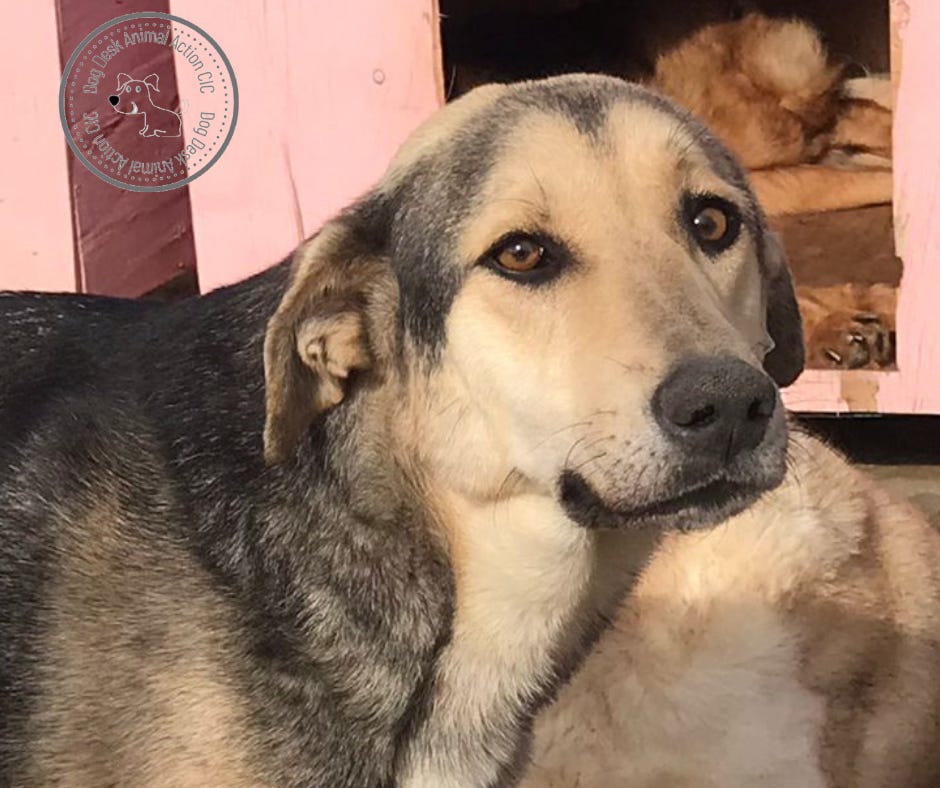
Türkiye’s roads are busy, chaotic and unforgiving. They are also home to millions of homeless animals who have no choice but to navigate fast-moving traffic in search of food, water and somewhere safe to sleep.
For the country’s estimated 4 million stray dogs, the street is not just where they live it is where many of them die
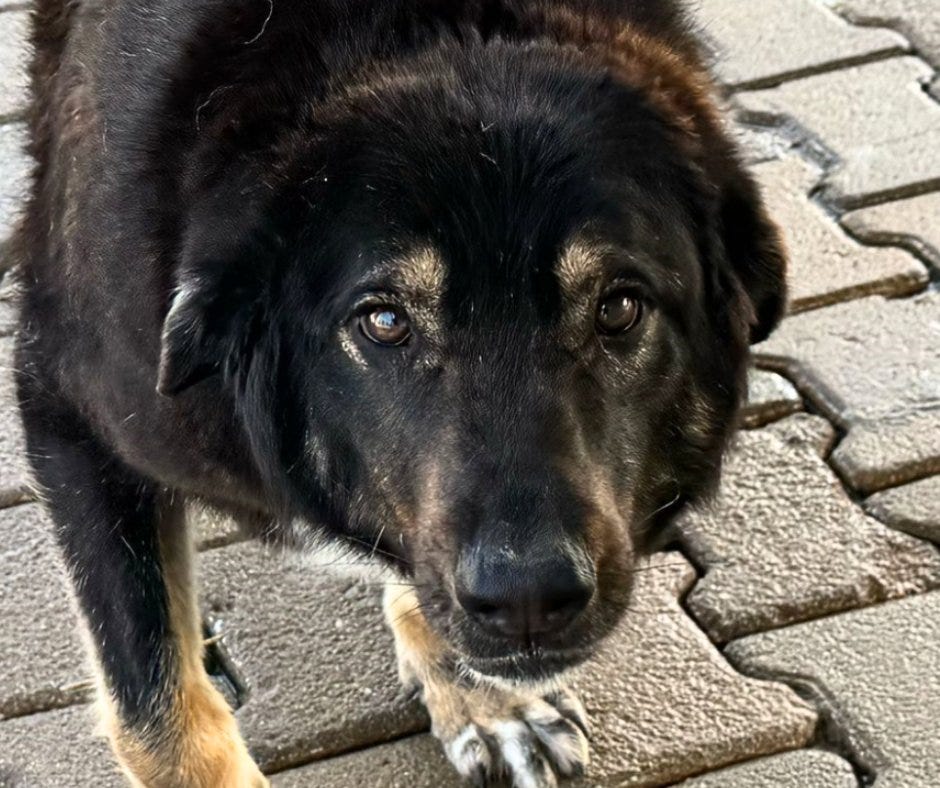
A national problem we barely count
Official statistics tend to focus on human casualties, but even those numbers reveal how serious the problem has become. Government and parliamentary figures in recent years report:
3,476–3,534 traffic accidents involving stray dogs and other animals between 2018 and 2023
These figures tell only part of the story. They do not count the number of dogs killed or maimed in these collisions, nor the huge number of hit-and-run incidents that are never reported. For every crash that makes it into an official report, there are countless dogs dragged to the roadside, left with broken spines, shattered legs and internal injuries or killed instantly and quietly cleared away.
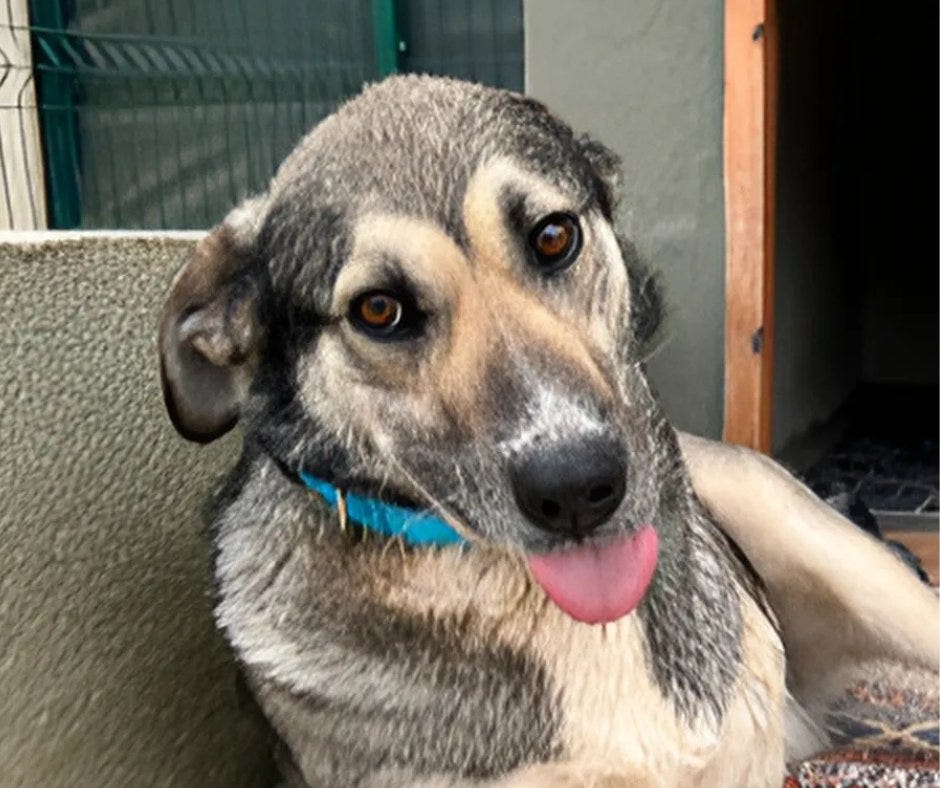
Hit & run: when cruelty meets impunity
In theory, deliberately hitting and killing a dog is a criminal offence in Türkiye. In practice, enforcement is weak and penalties are minimal.
Cases periodically reach the media: a driver filmed in Antalya deliberately steering into a stray dog and killing them; another fined and briefly investigated for running over a dog and fleeing the scene.
But for most animals, there is no camera, no plate number recorded, no legal follow-up at all. Many hit-and-runs happen at night or on rural roads. Residents find the bodies in the morning. Rescuers receive desperate calls but arrive too late.
This culture of impunity sends a dangerous message: that animal lives are cheap, and that harming a stray even deliberately has no real consequence.
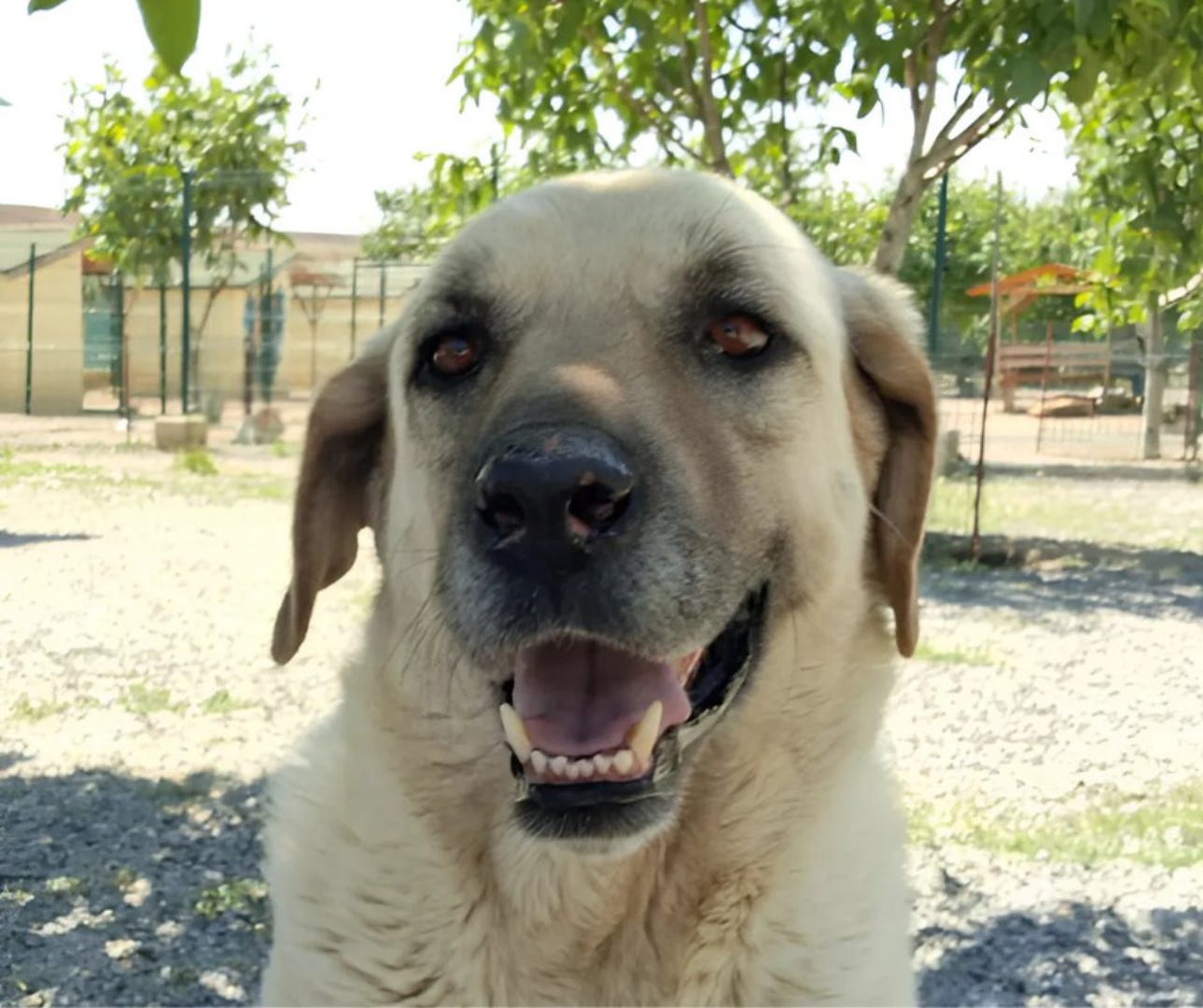
Why are stray dogs on the roads?
The presence of dogs on highways and in city traffic is not an accident. It is a direct result of policy failures:
Mass abandonment
Unneutered, unregistered pets are routinely dumped on the streets or in rural areas, where they form new colonies, often near roads, petrol stations and industrial zones.Lack of effective neuter–return programmes
While some municipalities run sterilisation and vaccination programmes, coverage is patchy and funding inconsistent. Large numbers of intact dogs continue to breed, increasing the populations living around roads and junctions.Urban planning that ignores animals
Rubbish dumps, open markets and roadside rest areas attract dogs with food waste, yet there are few safe feeding points away from traffic. Dogs learn that the road is where food appears and people stop.Fear-based political narratives
In recent years, stray dogs have been framed in some media and political discourse almost exclusively as a public threat, with little recognition of the long-term failure to invest in humane population management. This has culminated in the controversial 2024 law directing municipalities to remove millions of dogs from the streets into already overcrowded shelters, a move many animal welfare groups fear will lead to mass killing rather than genuine safety improvements.
The result is a perfect storm: large numbers of unprotected animals living unavoidably close to traffic, without systematic efforts to keep them and the public safe.
The human cost of animal-related crashes
Every hit-and-run involving a dog has a victim at the point of impact. But there are often secondary victims too.
Children and adults have been hit by cars or trucks while trying to escape from dogs they perceived as threatening.
Motorcyclists and cyclists swerve to avoid dogs on the road, sometimes with fatal consequences.
When policymakers talk about dog-related deaths, these tragedies are used to justify harsh, short-term crackdowns on stray animals. Yet the underlying causes, uncontrolled breeding, abandonment, negligence by local authorities and weak enforcement of existing laws remain unaddressed.
Blaming the dogs, rather than the systems that created this situation, does nothing to reduce collisions. It simply shifts the violence from the road into the shelters and out of public view.
What a humane, evidence-based response should look like
If we are serious about reducing traffic accidents involving dogs and about ending the silent epidemic of hit-and-run cruelty we need to change the conversation.
A humane, effective strategy would include:
Large-scale, properly funded neuter–vaccinate–return (NVR)
Systematic sterilisation of street and owned dogs, with clear national targets and transparent reporting.
Priority given to high-risk areas: highways, industrial zones, school routes and market districts.
Responsible ownership laws that actually bite
Mandatory microchipping and registration of owned dogs.
Real penalties for abandonment, enforced consistently across provinces.
Public education campaigns on neutering, training and lifetime responsibility.
Road-safety measures that recognise animals as road users
Signage and speed reduction in known animal crossing areas.
Lighting and barriers in high-risk stretches.
Designated feeding stations and shelters away from main roads, so dogs are not drawn to traffic hotspots.
Emergency response protocols for injured animals
Training and equipping municipal teams to respond to reports of injured animals quickly.
Partnerships with local vets and NGOs to provide subsidised emergency care.
A national hotline or digital platform to report traffic accidents involving animals.
Stronger enforcement against deliberate cruelty and hit-and-run
Clear legal obligation for drivers to stop and report collisions with animals.
Use of roadside cameras and citizen evidence (dashcams, CCTV) to prosecute intentional harm.
Publicising successful prosecutions to signal that animal lives matter and that cruelty will not be tolerated.

Why this matters beyond the numbers
For many people in Türkiye, street dogs are part of daily life. They sleep outside shops, follow familiar routes with delivery drivers, wait by fishermen at the harbour, and are fed by local residents who know them by name.
When one of these dogs is hit and left to die on the roadside, it is not just a statistic. It is a loss felt by an entire community.
Reducing hit-and-run incidents is not only about animal welfare or road safety. It is about what kind of society we want to be: one that looks away from suffering, or one that accepts responsibility for the beings who share our streets.
How you can help
Drive consciously: Slow down in areas where street dogs live, especially at night. Expect dogs at bends, near rubbish points and around service stations.
Stop and report: If you hit a dog or find one already injured stop. Call local animal rescue groups, municipal veterinary services or the nearest vet clinic for help.
Support humane programmes: Donate to or volunteer with organisations campaigning for NVR, responsible ownership and stronger protection for animals.
Challenge the narrative: When you hear calls for mass killing as a solution, ask for the data. Ask what has been invested in neutering, registration and enforcement. True safety will never be built on cruelty.