


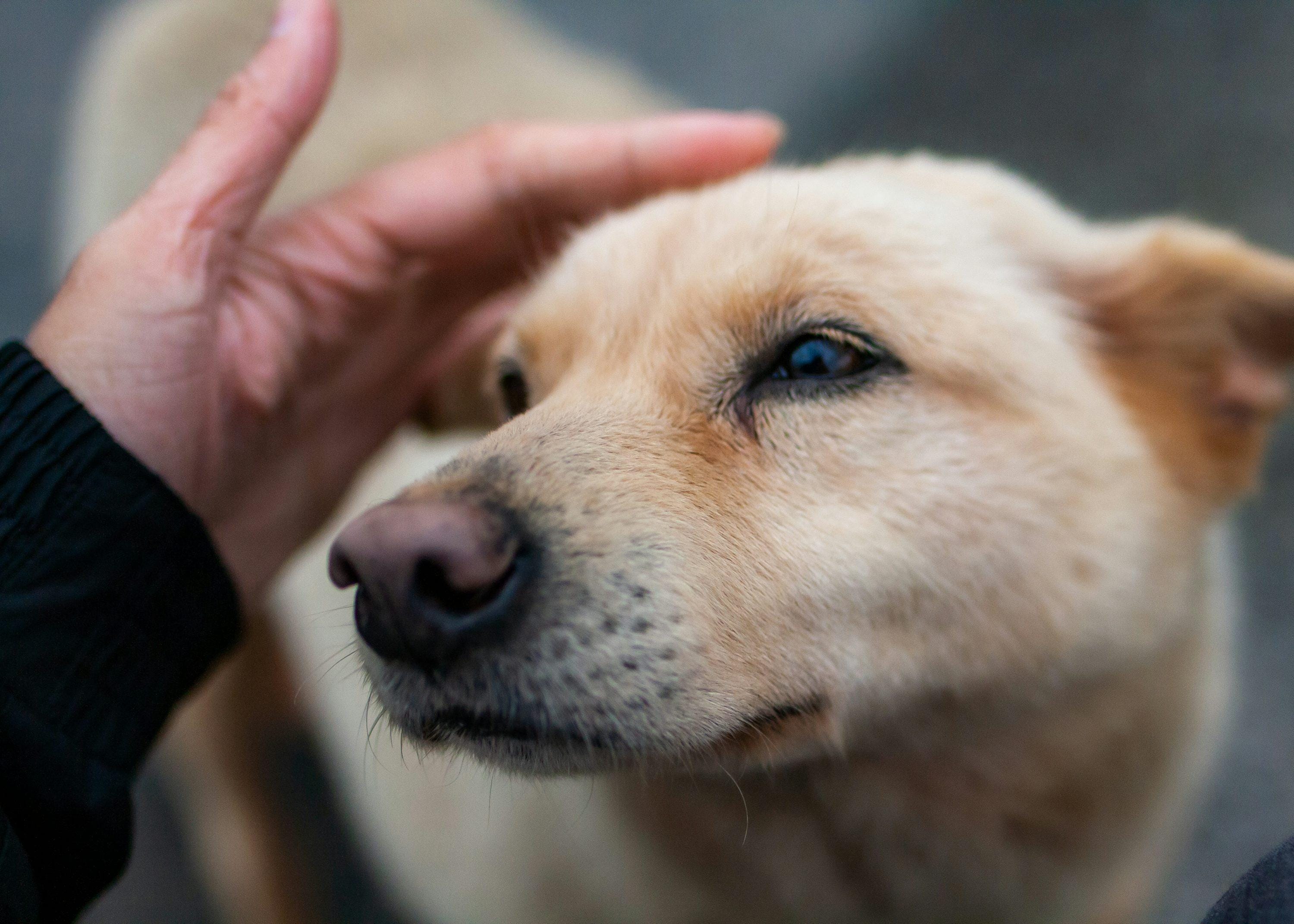
When the Slaughter Law was introduced in July 2024, the focus of almost every discussion was the dogs.
Would municipalities build enough shelters? How many dogs would be collected? How would the legislation be enforced? What would happen to the country’s long established population of community dogs?
Two years later, those questions remain important. They deserve scrutiny and they continue to shape the debate surrounding the implementation of the law. But they are not the whole story.
The Slaughter Law did not only change the lives of dogs. It changed the lives of the people who had spent years caring for them.
Across Türkiye, community dogs were part of everyday life. They slept outside shops, waited outside schools, wandered through parks and greeted the same people every morning. Many were not owned by one individual but were cared for collectively by neighbourhoods. Shopkeepers left out water. Residents provided food. Children grew up recognising the same familiar faces on their streets. Elderly people took comfort in seeing the dogs that had become part of their daily routine.
When those dogs began to disappear, something else disappeared with them. For many people, daily life became dominated by uncertainty.
The first walk of the morning was no longer simply a walk. It became a search. Was the old dog still sleeping beneath the tree? Had the puppies been seen today? Was the dog outside the bakery still there, or had a municipal collection team arrived overnight? Questions that had once seemed unimaginable became part of everyday conversation.
People searched shelters hoping to find dogs they recognised. They exchanged photographs across social media, trying to identify familiar animals. They telephoned friends in neighbouring districts asking whether collection vehicles had been seen. Every rumour brought fresh anxiety. Every unfamiliar vehicle raised concern.
For those who had cared for community dogs for years, the emotional burden was relentless. Yet grief was only part of the story.
Fear became part of daily life.
Citizens who had quietly cared for dogs for years began changing the way they lived. Some fed animals before dawn or after dark to avoid attracting attention. Others became reluctant to be seen leaving food or water. People spoke privately instead of publicly. Some stopped sharing photographs or discussing their work openly because they feared the consequences of being identified. This was not simply caution. It was self preservation.
Over the past two years we have spoken to citizens who described feeling isolated, exhausted and frightened. They were not campaigners seeking publicity. They were ordinary people trying to protect the animals they had known for years while navigating an atmosphere in which kindness itself could attract hostility.
Some paid a very personal price. One of Dog Desk Animal Action’s own community carers was threatened with a gun simply because she allowed her own dogs to use her own garden. Her experience serves as a stark reminder that the impact of the Slaughter Law extended beyond the dogs themselves. It affected the people who chose compassion.
Sadly, she was not alone.
Throughout this period, reports emerged of intimidation, violence and threats directed at citizens who cared for community animals. Dog Desk Animal Action documented many of these incidents, including in Killed for Being Kind and When Kindness Becomes a Crime. Together, they reveal a disturbing reality, for some people, helping an animal was no longer simply an act of kindness. It became something they believed they had to do quietly, carefully and, at times, fearfully.
As the months passed, one question became increasingly difficult to ignore. How could we celebrate World Animal Day while the people we spoke to every day were living through this reality?
Every year, Dog Desk Animal Action marks World Animal Day by celebrating the relationship between people and animals. In October 2024, we made a different decision.
We cancelled our planned celebrations. Instead, we held an overnight online vigil called The Silenced. It was unlike anything we had done before.
Throughout the night, we shared the experiences of citizens across Türkiye. Not polished campaign messages or carefully prepared statements, but the words of people who were living through the implementation of the Slaughter Law in real time. They spoke of the dogs they had lost, the uncertainty they faced and the emotional toll of watching their communities change around them.
The vigil was not created to campaign, it was created to bear witness. It recognised something that had received too little attention, the implementation of the Slaughter Law was not only an animal welfare issue. It was also a profoundly human one.
For two years, the story has often been told through legislation, court decisions, municipal statistics and political debate. This is important information but it cannot tell us what it felt like to return to an empty feeding place. It cannot measure the fear of being recognised while helping a hungry dog. It cannot record the sleepless nights spent wondering whether a familiar animal was alive or dead. It cannot capture the quiet courage of ordinary citizens who continued to show kindness despite intimidation, uncertainty and, in some cases, direct threats.
As Türkiye enters the third year of implementation, these experiences deserve to become part of the historical record. The legacy of the Slaughter Law is not measured only in the number of dogs collected or the shelters constructed.
It is also measured in the lives of the people who were changed by it. It lives in the citizens who still look for dogs that never came home. It lives in those who continue to care despite fear. And it lives in the belief that kindness should never require courage.