

The Importance of Clarification & Accuracy When Telling Rescue Dog Stories
Why honesty matters and how we can protect both dogs and public trust.


When we tell the stories of rescue dogs, we carry an enormous responsibility. These stories shape the way the public understands animal welfare. They influence donations, adoptions, volunteer engagement and ultimately, they determine the futures of the animals we are trying to help.
I’m sharing this because of my work with the Alliance, and to support new starters in the rescue world who may not yet see the long-term importance of ethical storytelling.

Facts First Always
Every rescue team should have a vet on board. Some may be fortunate enough to have a veterinary nurse volunteering as well. That is an invaluable resource use it well.
If we don’t fully understand a diagnosis, treatment plan, prognosis or medical term, we must ask until we do. Never publish something you’re uncertain of just to move quickly or gain attention.
Once clarified, we must communicate the facts using plain, accessible language. Supporters don’t need drama they need honesty. Staged drama may please the algorithm but your supporters & regulator will not be impressed by it!
A well-explained medical truth earns more respect than a dramatic line that isn’t accurate.
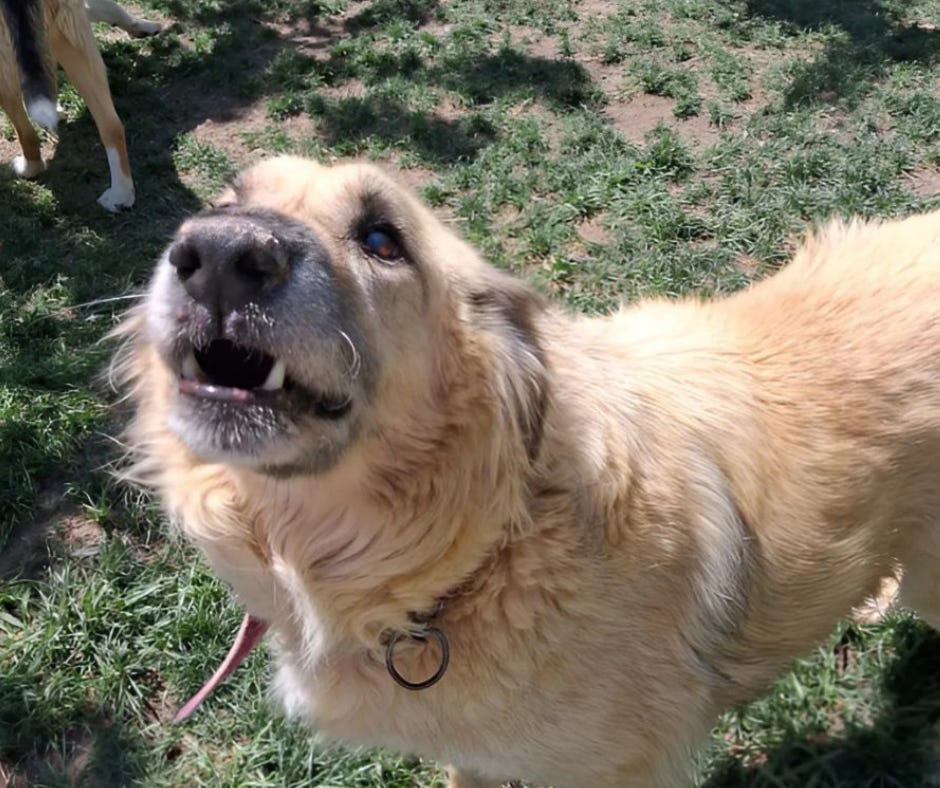
Honesty Over Hype - Common Pitfalls to Avoid
It can be tempting to exaggerate a story to secure donations or engagement especially in a world where algorithms reward the dramatic over the genuine. But drama should never replace truth. Not only is it unethical there will be consequences!
Here are some things we must avoid:
❌ Don’t say a dog was “in agony” unless medically confirmed.
✔ “In discomfort” / “showing signs of pain” may be more accurate.
❌ Don’t claim a dog was “used for breeding” unless there is evidence.
✔ If unsure: “There are signs that she may have been bred from we are awaiting further veterinary confirmation.”
❌ Don’t invent backstories to form emotional continuity.
✔ A simple truth is more ethical than an elaborate fiction.
❌ Don’t turn opinions into facts.
✔ Use: “We believe…” | “The vet suspects…” | “We are investigating…”
❌ Don’t manufacture crisis when none exists.
✔ If a case is stable, say so. Honesty builds more trust than exaggeration.
Algorithms & Funding: The Silent Pressures
Today’s reality is this:
Organisations are desperate to retain funding
Social media platforms reward emotional spikes, not routine care
In this climate, there is a growing danger that some may feel pressured to dramatise reality to keep content performing. In fact, we are already beginning to see signs of this happening.
But let this be a warning:
Algorithms must never dictate ethics.
Funding should never override integrity.
Respect the ordinary. While dramas do exist in rescue work, they are not the everyday. If supporters see crisis-mode every single day, it’s time to question what is being presented.
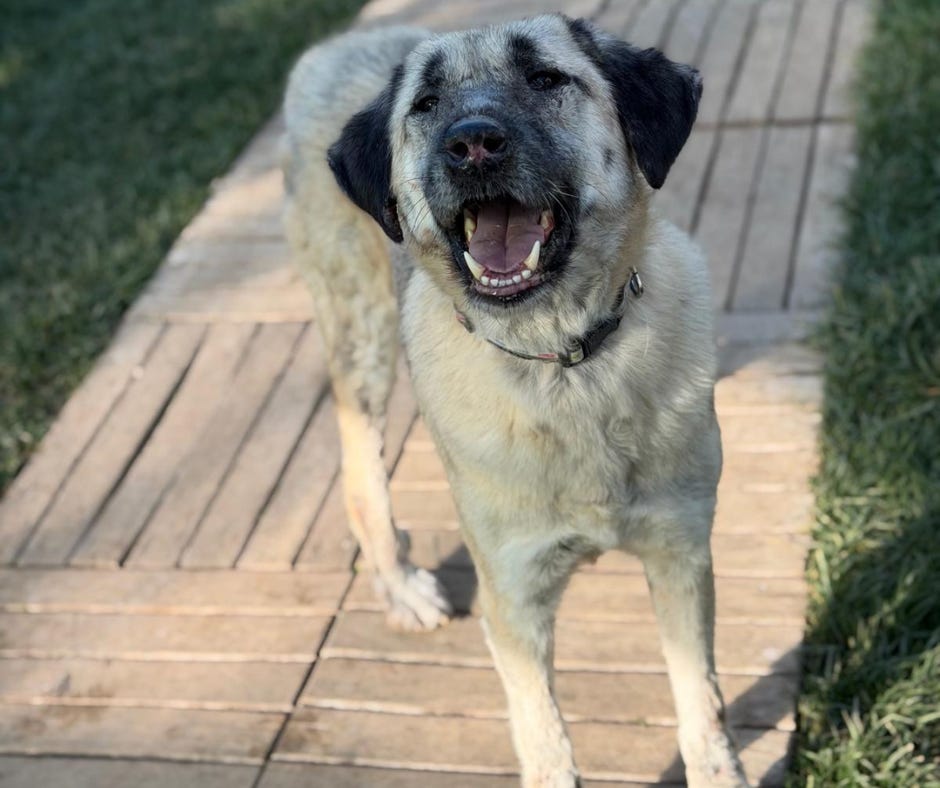
Staged Scenes - Who Are They Really For?
Recently, I’ve seen images of sick dogs surrounded by large soft toys or carefully staged props. It may appear sweet but we must ask:
Is this for the dog, or is it for human engagement?
An unwell dog has little interest in toys. They want warmth, comfort, quiet, and rest. In fact some street born dogs may be afraid of a big stuffed toy with large eyes & a strange face.
When scenes are dressed for visual appeal, people are appealing not to the dog but to the audience. Can a dog read?, can a dog operate machineary?
That doesn’t make it inherently wrong of course but it must be recognised for what it is, not as truth. Once we begin blurring that line, it becomes easier to justify emotional manipulation. And that is how unhealthy practices begin to spread.
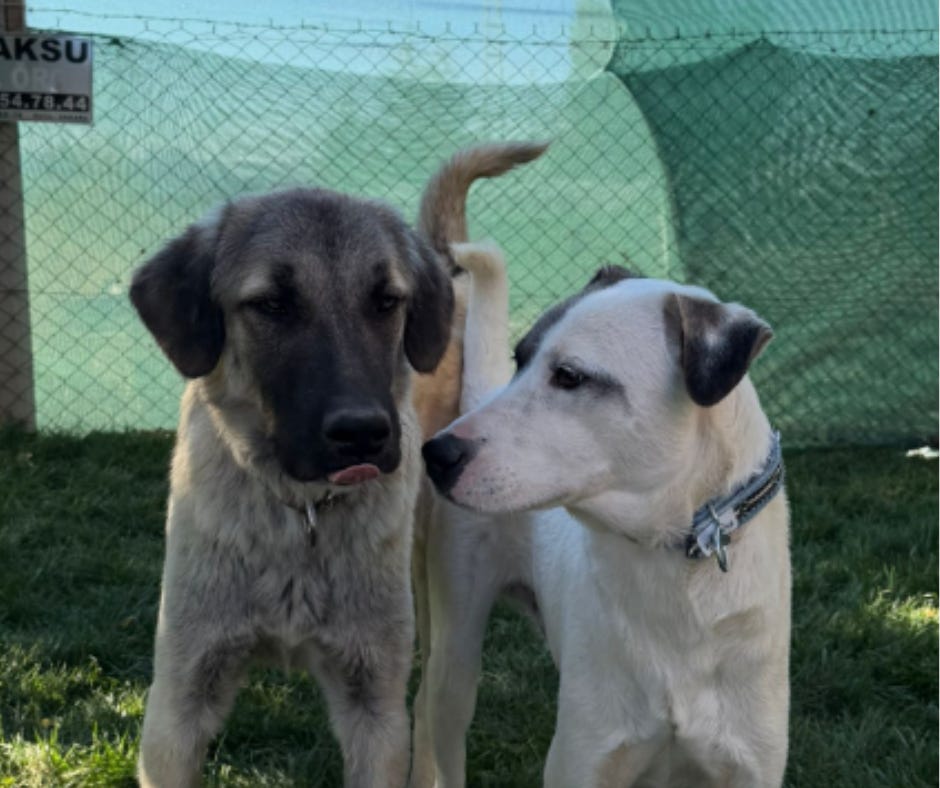
Respect the Ordinary
In the world of rescue work, quiet progress matters. A dog eating well. A dog finally sleeping peacefully. A shy dog taking a step towards trust. These may not grab headlines but they are huge victories all the same.
We live in a time where organisations are desperate to retain funding and fighting against algorithms that rarely reward the ordinary. And because of that, some may be tempted into bad practices. In truth, we are starting to see it already.
But we must remember:
While drama exists in rescue, it is not the everyday.
If supporters are seeing crisis-mode every day, it may not reflect the real world of rescue. And when scenes start to feel “dressed” for the camera large soft toys, props, overly staged moments we need to ask an honest question:
Is this for the dog or for human appeal?
Sick or recovering dogs often have little interest in playing. They need warmth, rest, and safety. When props appear, they are rarely for the dog’s benefit they are for us. That doesn’t automatically make it wrong but it makes it something we must approach with caution.
Because once rescue becomes a performance, it stops being rescue.

Best Practice for Ethical Storytelling
✔ Let medical professionals review explanations when possible
✔ Use accessible language avoid jargon and exaggeration
✔ If unsure, say so openly
✔ Correct mistakes publicly if needed
✔ Remind supporters that rescue is a process, not a headline

Rescue Isn’t a Performance It’s a Promise
We must protect truth.
We must protect public trust.
Most of all we must protect the dignity of the dog.
Real rescue work doesn’t need theatrics. It needs care, consistency, and clarity. If integrity remains at the centre of every story told support will follow naturally, and the animals will truly benefit.