


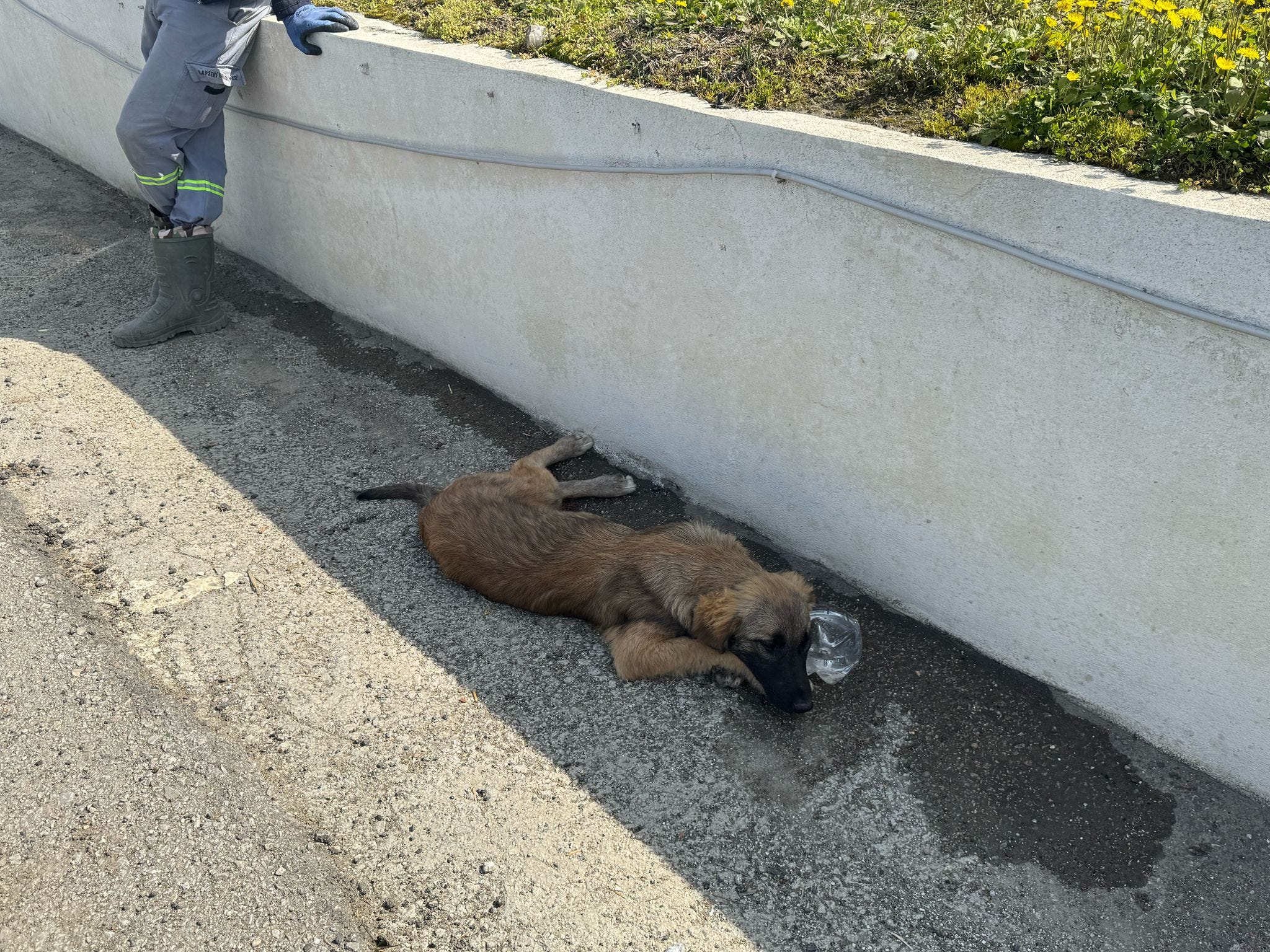
Road traffic accidents remain one of the leading causes of severe injury in animals. For rescuers, veterinary teams, and compassionate members of the public, understanding the types of trauma most commonly seen in road accident victims can make a critical difference to response times, treatment decisions, and ultimately, survival rates.
Whether the patient is a frightened stray dog, a beloved family pet, or a vulnerable wildlife species, the pattern of injury is often strikingly similar. Below, we explore the most frequent injuries associated with road traffic collisions and why rapid intervention is so essential.
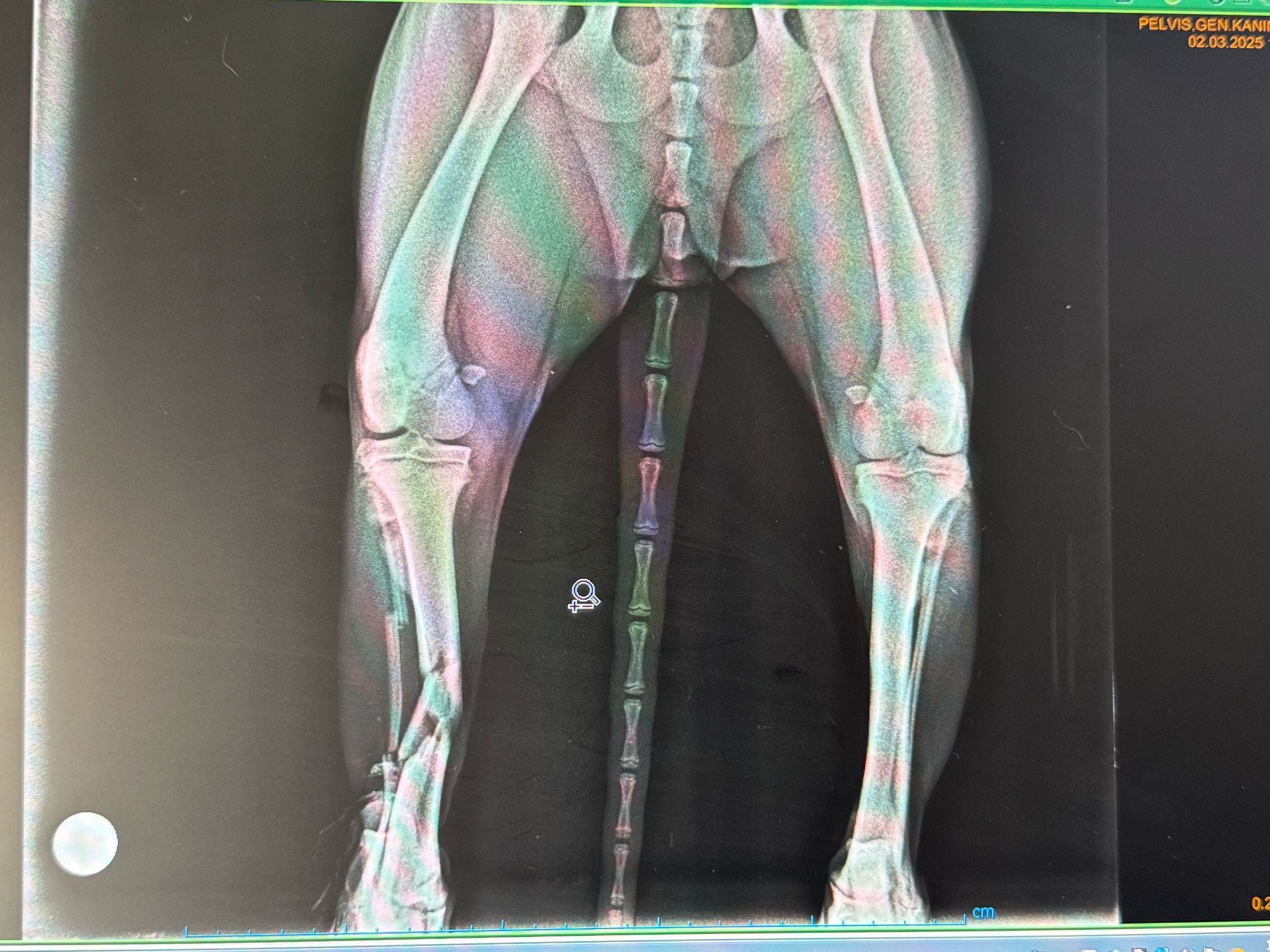
Fractures and Orthopaedic Trauma
Broken bones are one of the most common and most visible consequences of a road accident. Victims may suffer:
Long bone fractures (legs, especially the femur and tibia)
Pelvic fractures, often caused by the force of impact
Spinal injuries, which may lead to paralysis
Multiple fractures, indicating severe, high-speed collisions
These injuries are painful and can lead to shock if not addressed swiftly. Proper stabilisation and immediate veterinary assessment are vital.
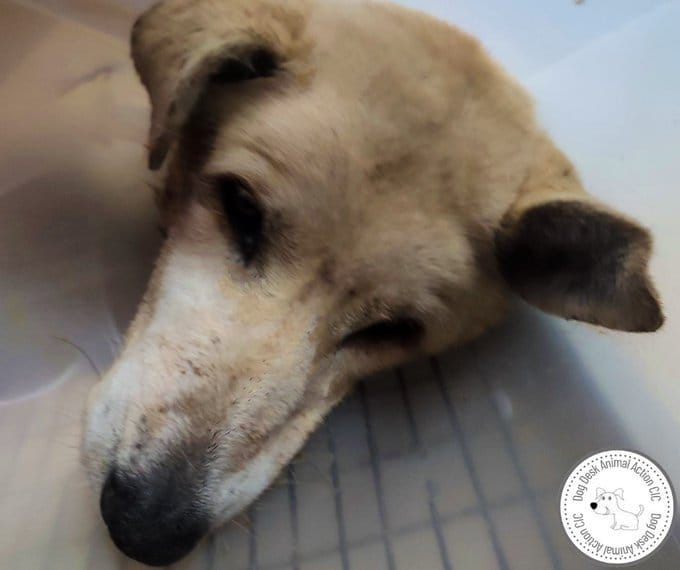
Internal Injuries and Organ Damage
Internal trauma may not be obvious at first glance, but it can be life-threatening. Common issues include:
Internal bleeding, especially from the liver or spleen
Chest trauma, including lung bruising or collapsed lung
Abdominal injuries, which can cause leakage of stomach or intestinal contents
Signs may include pale gums, rapid breathing, abdominal pain, or collapse. Diagnostic tools like ultrasound and X-rays are essential for uncovering hidden injuries.
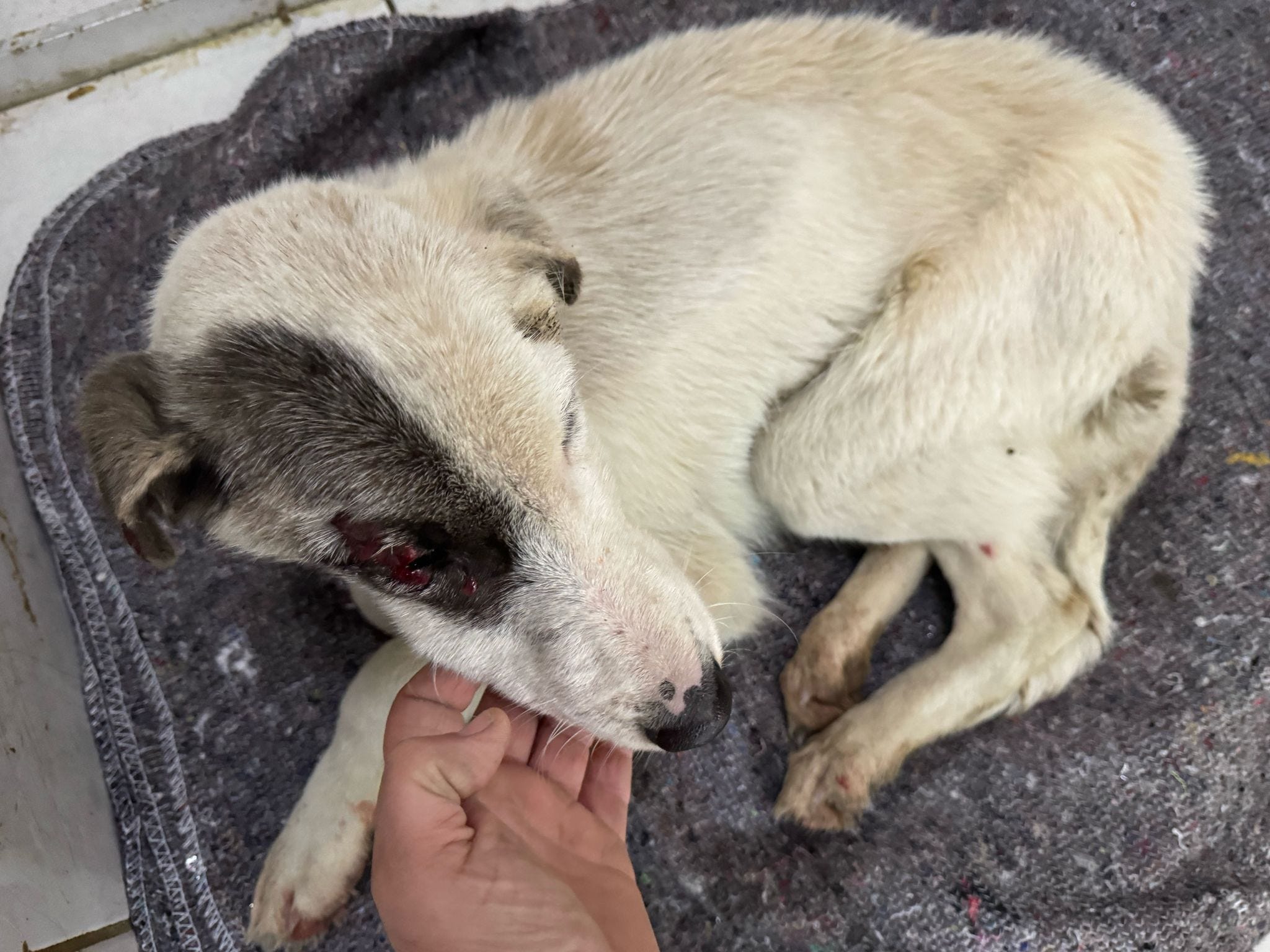
Head Injuries and Neurological Trauma
Head trauma is particularly common when animals are struck by fast-moving vehicles. These injuries can range from mild concussion to skull fractures and brain swelling.
Possible symptoms include:
Disorientation or confusion
Seizures
Loss of consciousness
Unequal pupils
Difficulty walking or standing
Prompt veterinary treatment is critical to reduce the risk of long-term neurological damage.
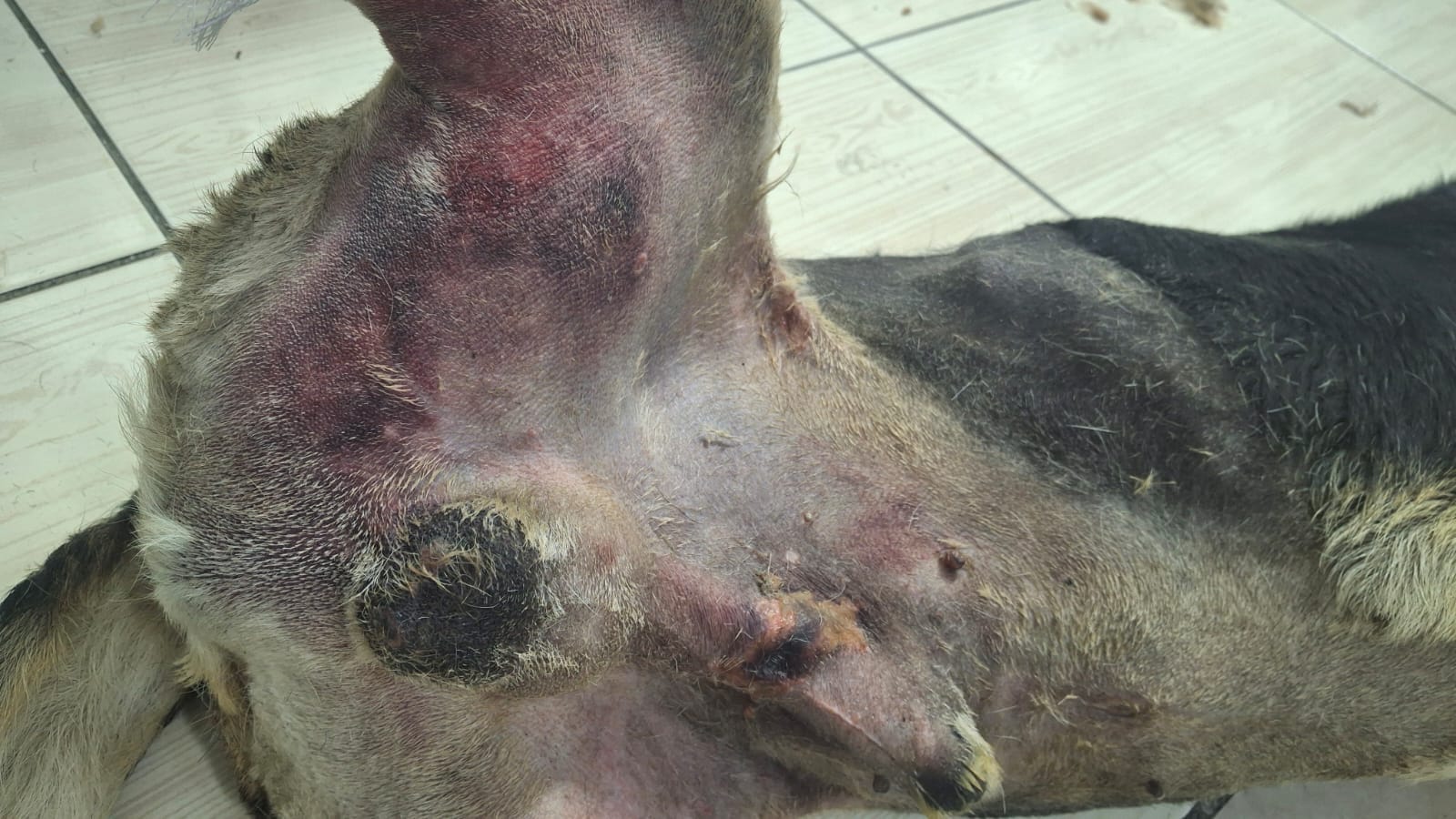
Soft Tissue Injuries and Lacerations
Not all injuries are internal. Road accident victims frequently suffer:
Deep cuts and abrasions
Torn muscles and ligaments
Road rash (skin abrasions from sliding on asphalt)
These injuries can become infected quickly, especially in stray or unvaccinated animals, making cleaning, suturing, and antibiotics crucial.
Shock and Hypothermia
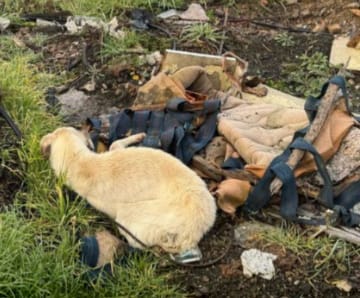
Physical injuries are only part of the picture—many road accident victims also enter shock, a potentially fatal condition where the body’s organs fail to receive enough blood.
Signs include:
Weak pulse
Cold extremities
Rapid heart rate
Pale gums
Collapse
Hypothermia often accompanies shock, particularly when animals are left on cold ground after impact. Warmth, calm handling, and immediate veterinary attention are critical.
Psychological Trauma
While not always included in clinical lists, emotional trauma is a very real consequence of road accidents. Victims, especially stray dogs who already live in survival mode, may become:
Fearful or aggressive
Withdrawn
Hypervigilant
Reluctant to walk or move
Rehabilitation requires patience, gentle handling, and a safe environment—elements that rescue organisations are uniquely positioned to provide.
Why Early Intervention Saves Lives
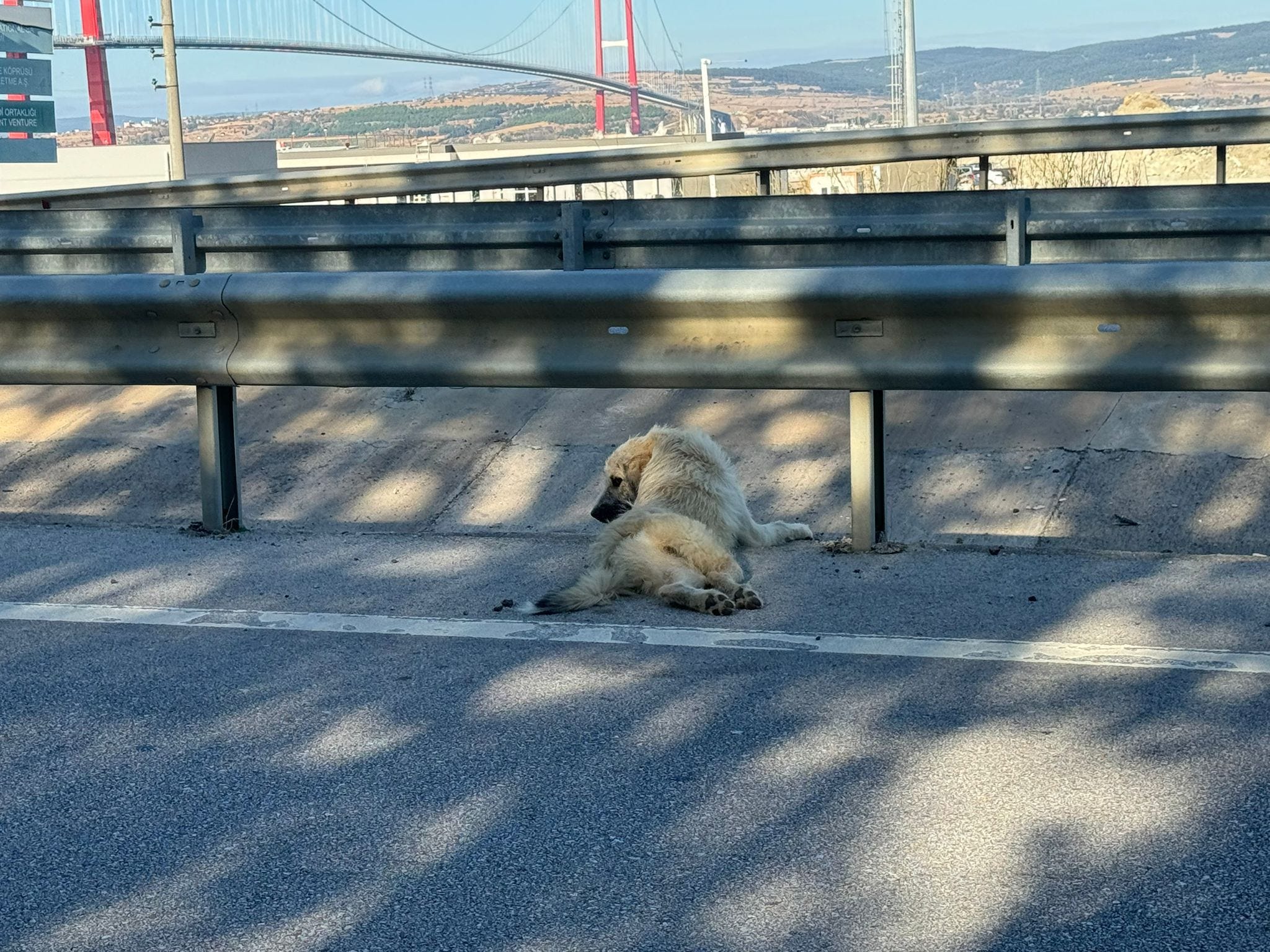
The severity of road accident injuries can escalate rapidly. Internal bleeding worsens by the minute. Fractures shift. Shock deepens. This is why swift action, moving the victim carefully, seeking veterinary help immediately, and providing stabilisation—dramatically improves outcomes.
Rescue organisations, volunteers, and first responders play a vital role in these critical early moments. By recognising common injury patterns and responding appropriately, we collectively give victims their best chance at survival and recovery.
Final Thoughts
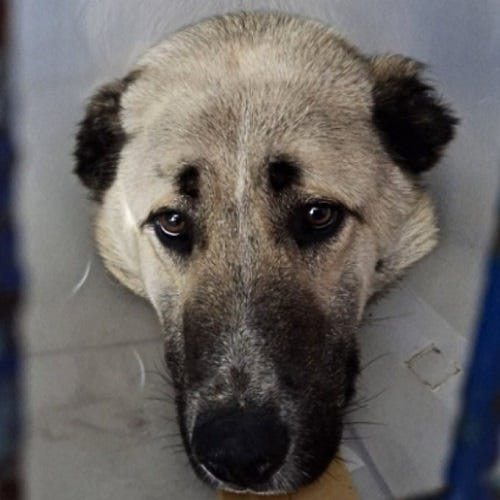
Road accidents are traumatic, both for the victims and for those who rescue them. But understanding the typical injuries involved allows us to respond with skill, compassion, and confidence. Every rescued life represents a victory, one made possible by awareness, education, and timely action.