

The Municipality Took the Dog But Then She Vanished
False accusations of biting in Ordu led to 9 year old much loved dog being taken

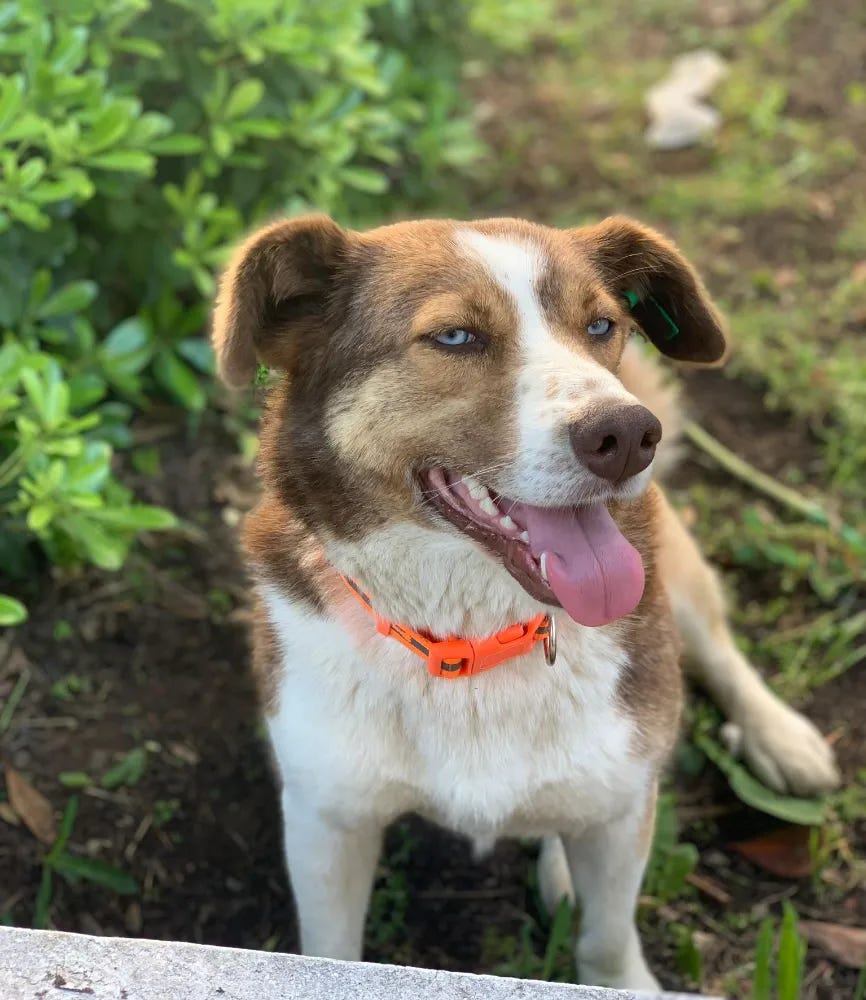
For nine years, Sincap (pronounced sin-JAP (/sinˈd͡ʒap/ & meaning squirrel) lived in the same place.
Not owned, but not alone either.
She belonged to that quiet category of dogs many countries struggle to describe, a community dog. Fed by residents, watched over by neighbours, known by name. The sort of animal children grow up recognising before they learn street names.
She had an ear tag. She had a routine. She had people.
And then one report changed everything.
On 17 February 2026, in the Gölevi neighbourhood of Ünye in northern Türkiye, a complaint was made: Someone claimed the dog had bitten someone (untrue) and was ownerless. Municipal teams arrived and took her away.
That part is ordinary. It happens every day. What followed is what unsettled everyone.
The moment a dog becomes untraceable
After Sincap was collected, her caregivers did what people are told to do. They went to the municipality. They asked where she had been taken. They checked shelters.
No one could tell them. Officials said they were also searching for her in their system
That sentence sounds harmless until you realise what it means: a dog removed through an official process had no clear recorded destination that could be shared with the public.
Not missing from the street, missing inside the system.
For the people who had watched her grow old in the same courtyard, the uncertainty was worse than bad news. Bad news ends the search. Uncertainty prolongs it indefinitely.
Community dogs live in a fragile legal space. They are documented enough to be collected, but not protected enough to always be traceable afterward. The paperwork exists, yet access to it often does not.
So residents waited. And they feared they already knew the ending.
When outcome matters less than the gap
Sincap was eventually reported to have returned to her community carers.
But the relief did not answer the real question:
Where had she been?
Which facility held her?
Was she quarantined?
Transferred?
Released somewhere else?
Misrecorded?
No public explanation accompanied her reappearance.
For those outside this world, the story sounds small because it ends without tragedy. But in animal welfare, the outcome is only half the issue. The other half is accountability. A system should not rely on a dog physically returning home to prove she survived it.
The distress here came from the gap, the period where a documented, known animal entered an official process and effectively vanished from traceable records.
That gap is where trust breaks.
Why community dogs create friction
Municipal animal control systems are designed around ownership: someone is responsible, someone signs, someone retrieves.
Community dogs sit outside that structure. They belong everywhere and nowhere at the same time. Everyone cares, but no single person holds legal standing strong enough to demand answers quickly.
So when they are collected, the people who care for them become petitioners rather than guardians.
In practice, this means a dog can be known by hundreds of residents yet still function administratively as anonymous.
And anonymous animals are easy to lose on paper.
The real story
Sincap’s story is not about whether she came back.
It is about what happened during the time when nobody could locate a registered animal taken by authorities. The anxiety did not come from imagination; it came from experience. Many searches for collected dogs end in silence, not reunion.
Transparency is what prevents fear from filling the gaps.
When records are accessible, collection is procedure. When records are unclear, collection becomes disappearance.
The difference is not emotional it is administrative.
A small case with a large meaning
To an outsider, this was a local misunderstanding resolved quietly.
To those who live alongside community dogs, it was a familiar pattern briefly interrupted by luck.
Sincap returned, but reassurance did not automatically return with her.
Because the real question remains larger than one dog:
If a tagged, a known animal can pass through official hands without anyone being able to say where she is what happens to the ones nobody asks about?
Sometimes the most important part of a rescue story is not the ending.
It is the silence in the middle.