

The Problem with Veterinary Care in Turkey: Why Companion Animals Deserve Better

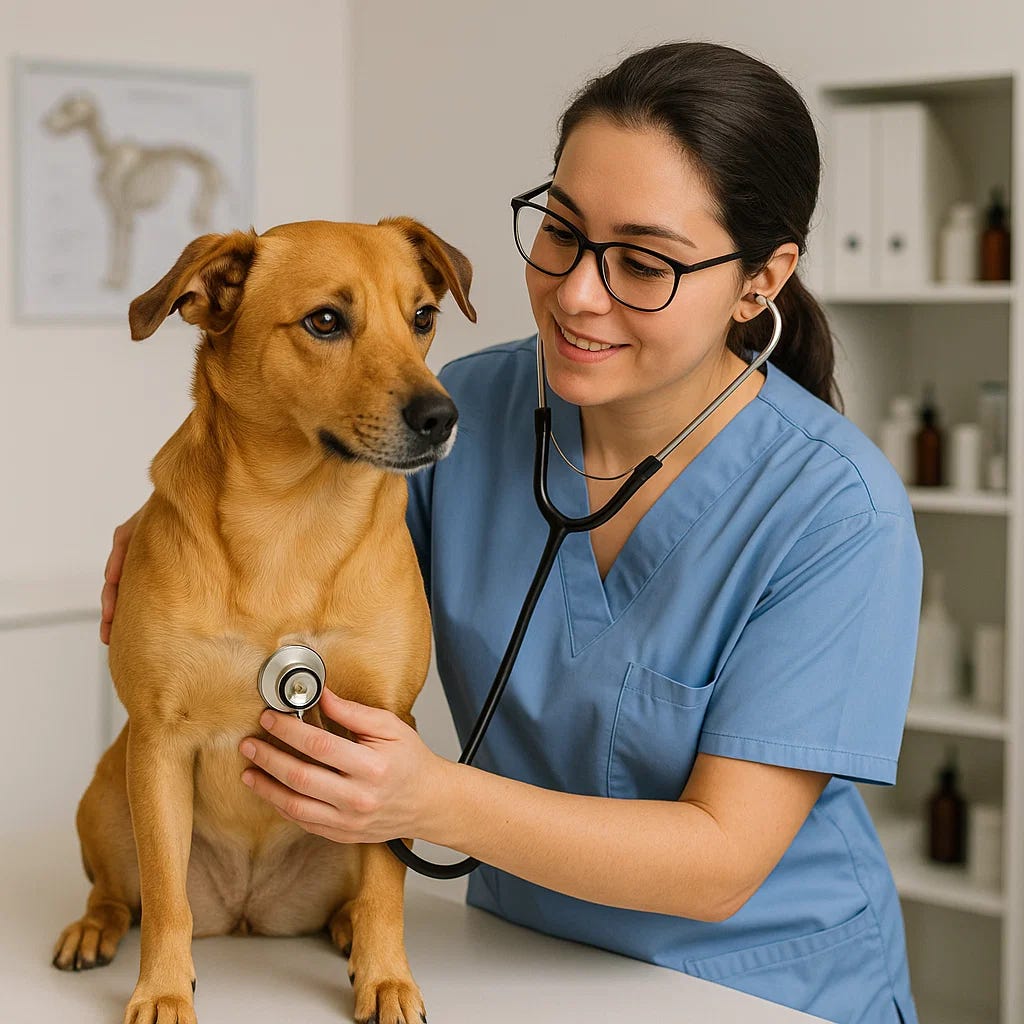
For many of the dogs and cats we rescue, their suffering is not only the result of abandonment, neglect, or life on the streets. Too often, it is made worse by a healthcare system that is simply not equipped to meet their needs.
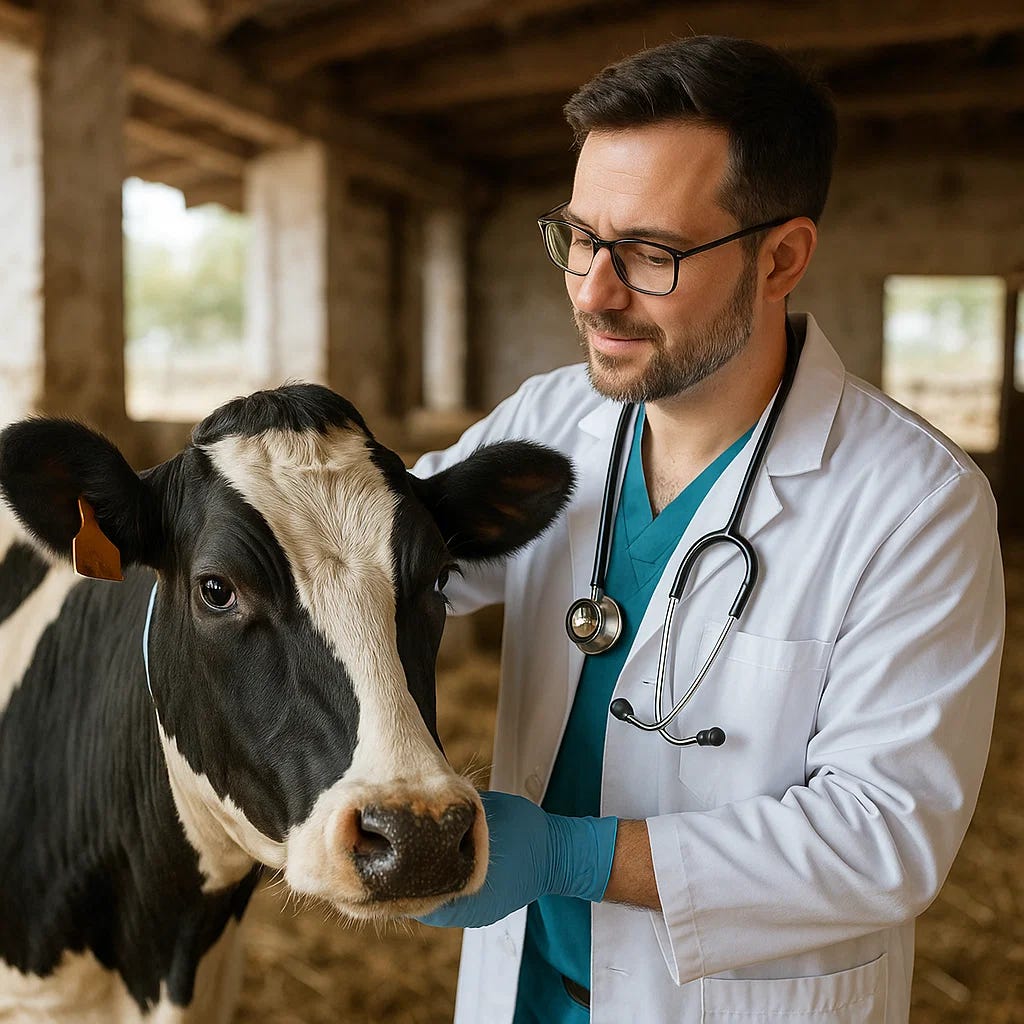
In Turkey, the vast majority of veterinarians are trained as large animal practitioners—commonly referred to as “cow vets.” Their education and practical experience are rooted in treating farm animals such as cattle, sheep, and goats. While this training is essential for rural economies, it leaves a dangerous gap when it comes to the care of companion animals.
Limited Skills for Companion Animals
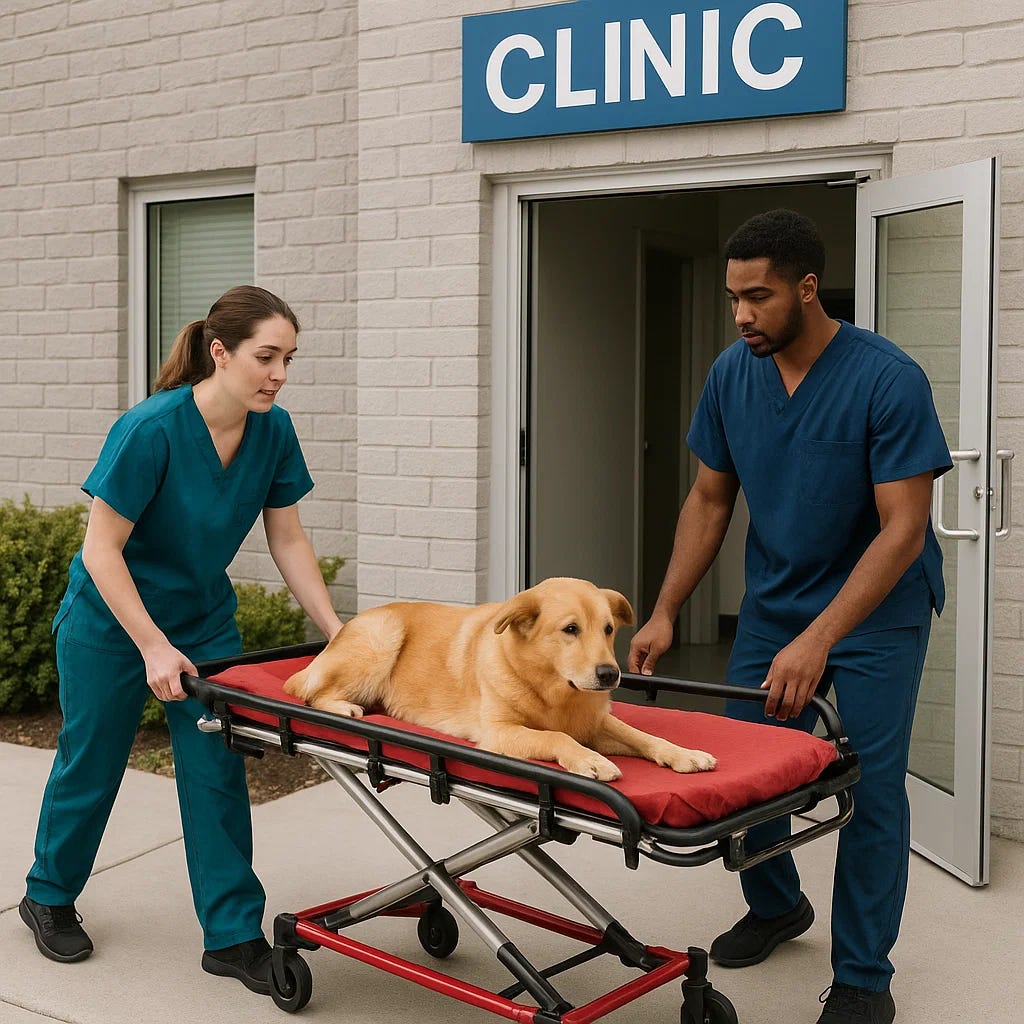
Because many Turkish vets do not receive in-depth training in small animal medicine, they are only able to provide very basic services. Wound cleaning, vaccinations, and minor surgeries are possible, but more complex issues, advanced diagnostics, or the correct use of specialised medications are often beyond their scope.
As a result, dogs and cats frequently suffer from misdiagnosis, incorrect treatments, or delays in receiving appropriate care. We often see animals arrive at our organisation after having endured weeks or even months of ineffective or harmful veterinary interventions.
The Cost of Incorrect Treatment
We are forced to pick up the pieces.
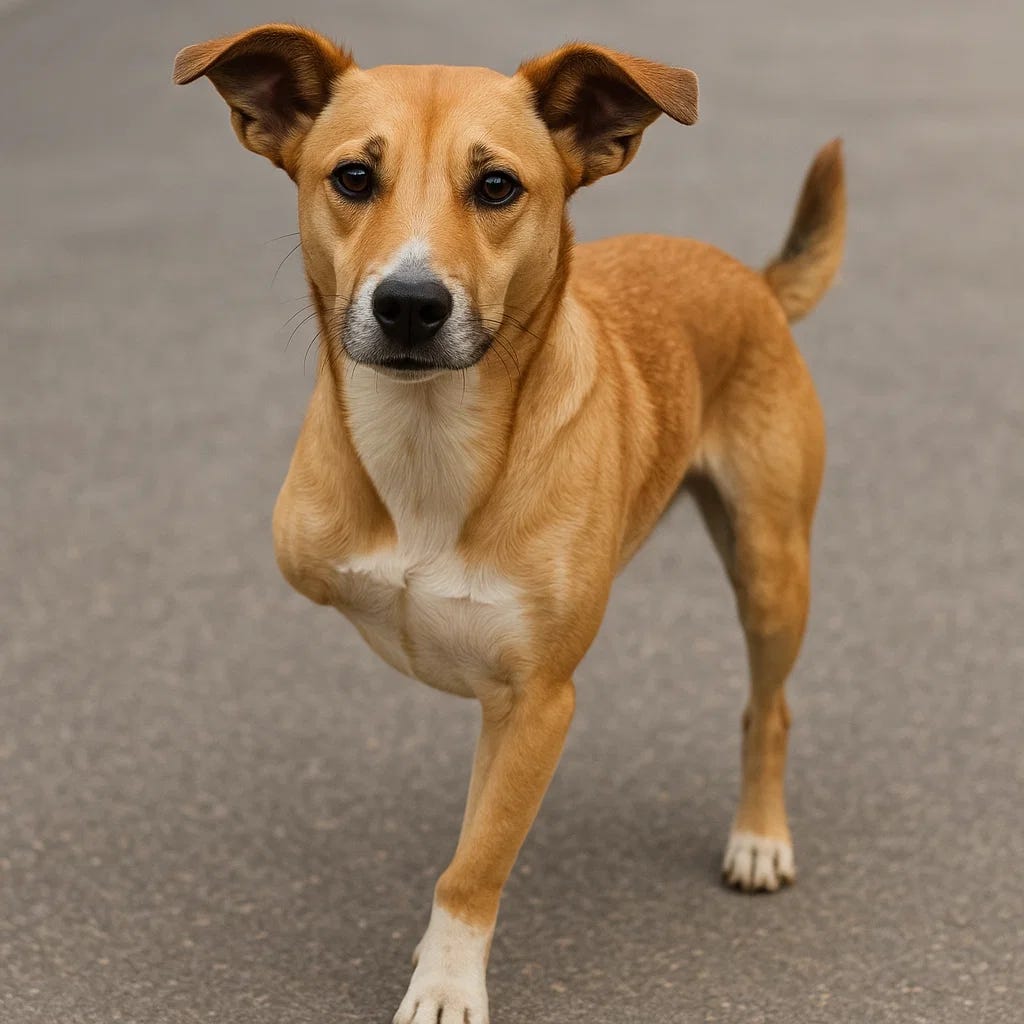
Dogs arrive with bones set incorrectly, leaving them permanently disabled.
Dogs are given inappropriate medications, causing irreversible damage.
Simple, treatable illnesses become life-threatening because the right course of treatment was never offered.
These are not isolated cases, they are patterns we see again and again.
In fact, research confirms what we experience daily. A 2024 study published in the Journal of Veterinary Behaviour reviewed 127 formal complaints made by pet owners in Turkey to the Veterinary Medical Association. More than 43% of complaints were about medical errors, wrong drug, incorrect dose, or failure to diagnose correctly. Over 60% of complaints overall were clinical rather than management issues. This shows a clear, systemic problem in the way companion animals are treated in Turkey.
Real-World Examples
Complaints study: Pet guardians consistently reported vets administering the wrong medication or dosage, failing to run diagnostic tests such as blood work or imaging, and not recognising when an animal needed specialist referral. This echoes our own experience when we accept dogs that have been treated incorrectly and left worse off than before.
Our experience: A large number of the dogs who come into our care have already been through treatment with another vet, often with devastating results. We have had to fund complex surgeries to correct the damage left behind by poorly performed procedures, and to heal the consequences of misdiagnosis. Time and again we see dogs who have been turned away by vets without treatment, still carrying open injuries, or worse, left critically ill after being given unnecessary medications in incorrect doses. Instead of healing, these animals suffer further, and it falls to us to put things right.
These examples illustrate a stark truth: the system is not built with companion animals in mind. When things go right, it is often down to individual compassion rather than standard practice.
Why This Happens
The problem is systemic. Veterinary faculties in Turkey focus heavily on livestock medicine, with little emphasis on the unique physiology, diseases, and welfare needs of companion animals. Continuing education and specialisation opportunities for small animal practice are limited and often prohibitively expensive.
In addition, companion animal care is not yet widely recognised as a professional priority. Street dogs and cats, despite being everywhere, are too often regarded as a nuisance rather than sentient beings deserving of the same level of medical care as a farm animal or a family pet.
What Needs to Change
For genuine progress to be made, Turkey needs:
Updated veterinary training, with small animal medicine given equal importance.
Specialisation pathways for vets who want to dedicate themselves to companion animals.
Awareness campaigns to shift public and professional attitudes towards dogs and cats, recognising their right to proper healthcare.
Until then, organisations like ours will continue to face the heart breaking task of undoing damage caused not only by neglect and cruelty, but by a system that has failed to prioritise the welfare of companion animals.