


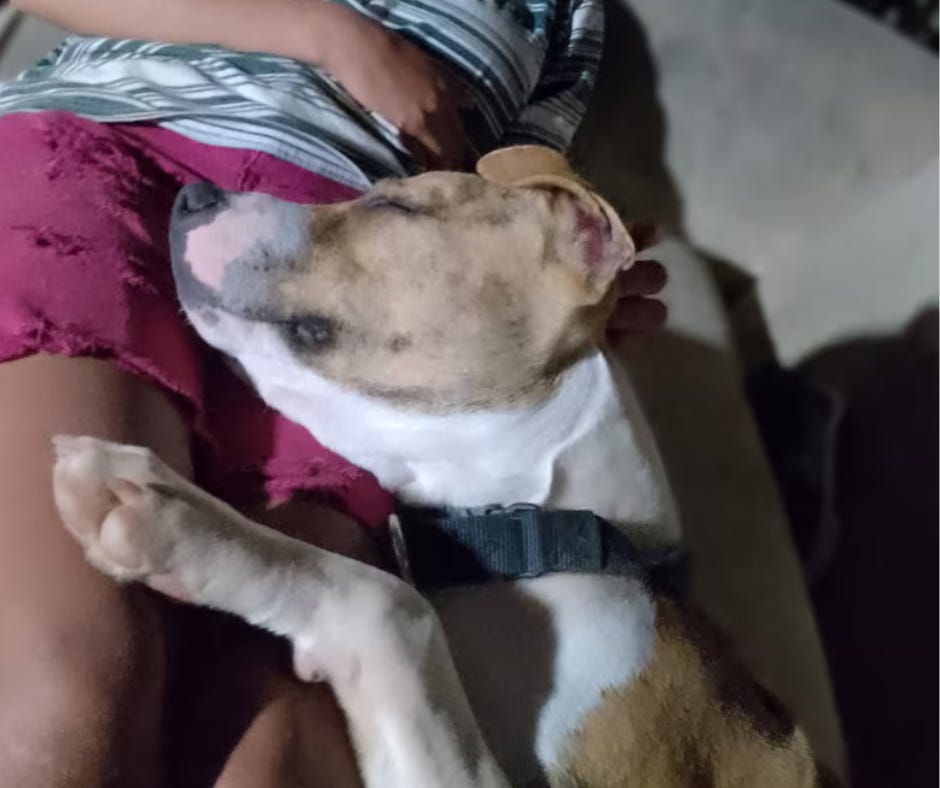
The death of a family dog named Smokey in Mount Isa, Queensland, in May 2026 has prompted discussion far beyond the community where the incident occurred.
The circumstances are distressing. According to Queensland Police, Smokey was struck by a marked police vehicle travelling at low speed after the dog is believed to have emerged from under or behind a parked car. Police state that the dog suffered obvious trauma injuries and was in significant distress following the collision.
Officers subsequently made the decision to euthanise Smokey at the scene.
The incident has generated considerable public reaction, particularly after footage and accounts from witnesses began circulating online. While much of the discussion has focused on the decision itself, the more important question may be what the case tells us about how severely injured companion animals are handled during emergencies.
Queensland Police Response
Following the incident, Dog Desk Animal Action contacted Queensland Police seeking clarification.
In a response, Queensland Police stated:
“The dog was showing obvious signs of trauma injuries and was in significant distress.
The decision was made by attending officers to euthanise the dog immediately to avoid further suffering.
This incident was traumatic for the officers involved, the community and the dog’s owners, however it was considered the most humane and suitable course of action available at the time.”
Police also confirmed that senior officers had spoken with the family and that use of force incidents involving animals are reviewed by senior officers.
The response provides important context.
Queensland Police are not suggesting that the dog was unharmed or that the decision was taken lightly. Their position is that Smokey’s injuries were severe and that immediate euthanasia was considered necessary to prevent further suffering.
The Nature Of The Debate
What makes this case unusual is that the public discussion does not appear to centre solely on whether Smokey was injured.
Many people, including members of Smokey’s family, have indicated that they understood the dog may have suffered serious injuries.
Instead, much of the debate has focused on a different question. Was euthanasia by firearm in a residential setting the only realistic option available?
That question is not necessarily an accusation. It is a question about process. Could veterinary intervention have been considered? Could transport have been arranged? Were there other options available at the time?
Or, given the nature of the injuries and the circumstances officers encountered, was immediate euthanasia genuinely the most humane course of action?
These are difficult questions, and they deserve thoughtful discussion rather than emotional reactions.
Emergency Animal Welfare Decisions
Animal welfare organisations, veterinarians and first responders are sometimes required to make decisions that are deeply unpleasant but intended to prevent suffering.
When an animal has sustained catastrophic injuries, delaying intervention can prolong pain and distress.
At the same time, companion animals occupy a unique place in society. They are not simply animals encountered during an emergency. They are family members.
The way decisions are made, communicated and carried out therefore matters enormously to the people involved.
Even when euthanasia is considered necessary, questions may still arise about location, timing, communication with owners and whether alternative options were explored.
Those questions are not unreasonable. They are part of maintaining public confidence in how difficult situations are handled.
A Wider Conversation
Cases such as Smokey’s often become polarised. One side argues that officers acted appropriately to prevent suffering. The other questions whether a different response might have been possible.
The reality may be more complicated.
Without having witnessed the injuries first hand, most members of the public are not in a position to determine whether euthanasia was necessary.
However, it is entirely reasonable to ask how such decisions are made and what guidance exists for officers responding to severely injured companion animals.
Transparency is important because it helps the public understand not only what happened, but why.
Seeking Further Clarification
Following the response from Queensland Police, Dog Desk Animal Action has submitted a follow-up enquiry seeking further information about the procedures and considerations involved when officers encounter critically injured companion animals.
The purpose of that enquiry is not to assign blame. It is to better understand how these situations are assessed and what options are available to those responding.
The death of Smokey has clearly affected his family, the community and the officers involved.
While opinions will differ about the decision that was made, the case has raised important questions about emergency animal welfare, public expectations and how difficult decisions involving companion animals are reached.
Those questions are worth exploring.
Because regardless of where individuals stand on this particular case, everyone shares the same objective: preventing unnecessary suffering while ensuring animals are treated with dignity and compassion, even in the most difficult circumstances.