
The Rise of Fake AI Rescue Videos
The internet is full of heart warming animal rescue videos, tiny puppies pulled from drains, kittens saved from burning buildings, and miraculous recoveries that make us all smile. Sadly, not everything we see online is what it seems. Increasingly, many of these rescues are entirely fake, generated or manipulated using artificial intelligence (AI).
These videos are designed to look convincing, tug at heartstrings, and sometimes end with a plea for donations. Unfortunately, they can divert vital funds away from genuine rescuers who are working tirelessly to save real animals in distress.
Why People Believe Fake Rescue Videos
AI technology has advanced so rapidly that even trained eyes can be fooled. Modern tools can generate lifelike animals, people, and settings complete with realistic movement, lighting, and sound. Emotional background music and dramatic storytelling complete the illusion.
It’s easy to understand why people believe what they see. The videos are made to appeal directly to our compassion and that’s exactly what scammers exploit. For those of us who spend our days fighting to save real lives, it’s heart breaking to watch kindness being manipulated in this way.
The Real-World Consequences
When viewers are tricked into donating to AI-generated accounts, genuine rescues lose out. Every pound, dollar, or lira that goes to a scammer could have paid for a vaccination, a neutering, or a bag of dog food for a real animal in need.
Beyond the financial harm, these fake stories can also undermine trust. When people eventually discover that some rescues are fake, they may begin to doubt the authenticity of real ones making it even harder for honest rescuers to raise awareness and funds.
AI Videos as a Tool for Propaganda
More concerning still, AI-generated videos are not only being used for financial scams but also for propaganda purposes. In some countries, fake videos depicting aggressive or dangerous dogs are being spread to fuel fear and hatred of street animals.
These fabricated clips show attacks that never happened, edited scenes designed to provoke outrage, and artificial images created to make dogs appear violent. The goal is simple: to justify cruelty and persecution of stray animals.
This is one of the most disturbing uses of AI turning a technology with great potential into a weapon for misinformation and hate. It’s vital that people learn to recognise these falsehoods before they take root in public opinion.
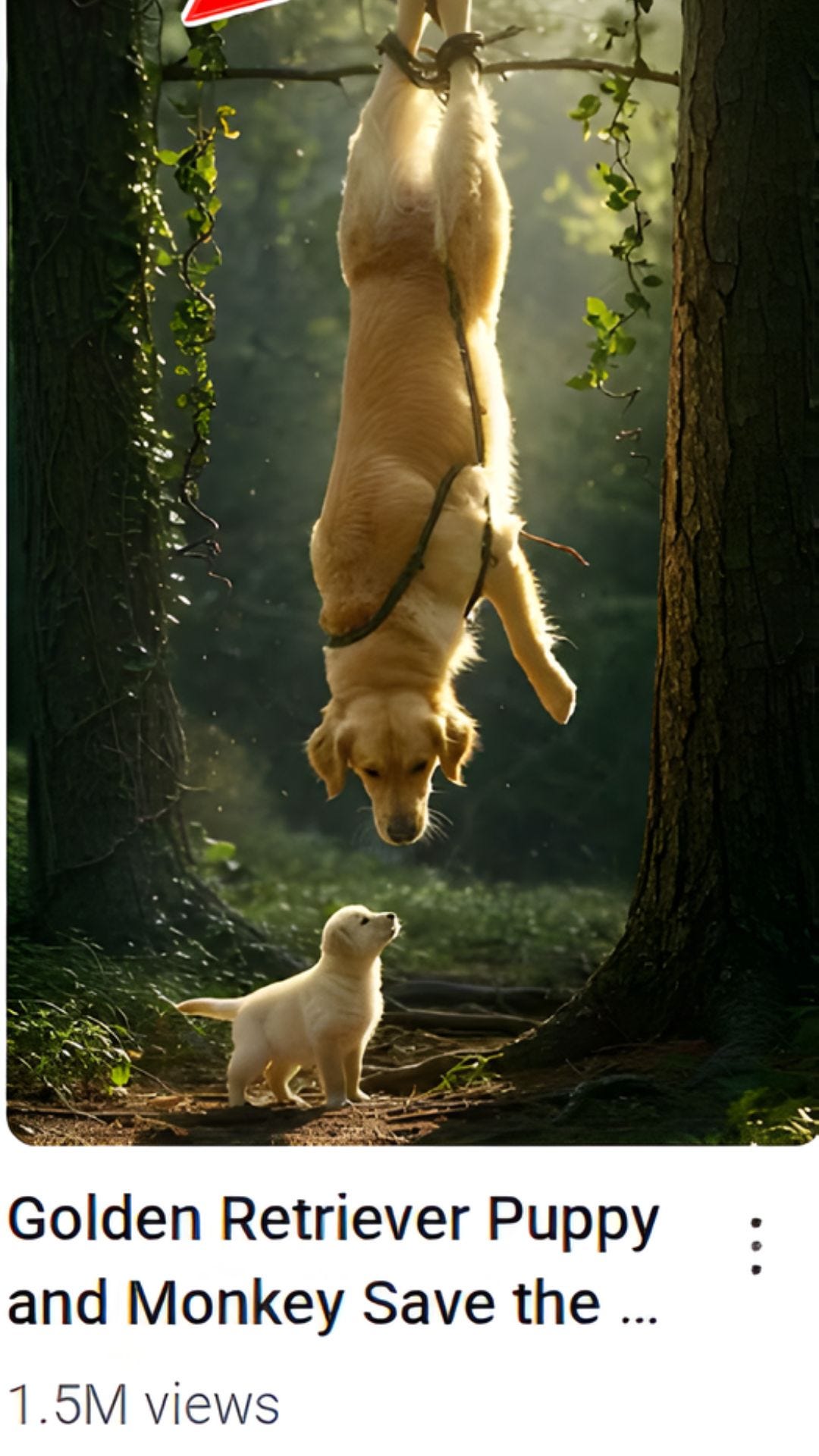
Example 1: AI Video
This example shows how convincing full AI generation can be, from the lifelike fur to the emotional soundtrack. Everything seems real at first glance, but look closer: unnatural movements, inconsistent lighting, or impossible camera angles often reveal the truth.
Example 2: Partially AI-Edited Video
Some content isn’t entirely fake but heavily edited using AI tools. Music, special effects, or even digitally altered backgrounds can make ordinary footage seem far more dramatic. While not necessarily harmful, it still blurs the line between reality and fabrication. In this instance, this particular video has been slated as a fake rescue video, not AI. Public feeling is that it was staged using a real pup for clicks & likes. We are currently trying to trace the creator so that we can verify legitimacy.
Example 3: Real Video
This is our darling rescued boy Happy Hooligan Harry with his friends Stella and caregiver Nihat, filmed just yesterday. It’s 100% authentic, completely unedited, no music, no voiceovers, no dramatic cuts. Just real life, captured on a phone as it happened. Will it reach the staggering number of views that AI-generated videos receive? Sadly, almost certainly not. People are becoming less interested in reality even when it’s far more beautiful than fiction.
When Real Rescues Are Wrongly Accused
A particularly painful example of this happened recently when a genuine rescue video shared by a friend of ours was wrongly accused online of being a scam. The video showed a real dog being pulled to safety, yet strangers, primed by the flood of fake content no doubt, dismissed it as a scam. This kind of backlash is devastating for genuine rescuers. It undermines credibility, demoralises those working on the front lines, and can even stop life-saving donations. When real people doing real work are accused of faking it, the damage spreads far beyond one video it erodes public trust in animal welfare altogether & has the potential to harm a dog.
Not a rescue video but labelled AI by the creator. It had me fooled!
How to Spot a Fake AI Video
Here are a few key signs to look for:
Perfect camera work: Real rescues are rarely cinematic. If it looks like a movie, it probably isn’t real.
Unnatural animal movement: AI animals may move stiffly, or blink and breathe in odd rhythms.
Too many rescues from one account: Real rescuers simply don’t save dozens of animals every day with perfect success stories.
No verifiable location or organisation: Genuine rescuers usually share transparent information names, addresses, veterinary partners, or registration numbers.
Emotionally manipulative music and editing: Scammers rely on exaggerated emotion rather than facts.
Fear-based messaging: Be wary of videos that portray dogs as inherently dangerous or out of control this is often a tactic used to justify abuse.
Not All AI Is Bad
It’s important to remember that AI itself isn’t the enemy. Many animal welfare organisations use AI responsibly. The problem arises when people use the technology dishonestly to exploit compassion, manipulate emotions, or incite fear.
Protecting Real Rescues
Before donating or sharing a video, take a moment to check its source. Look for verified rescue groups, charities, not for profits & CIC’s will all be registered as such and evidence of genuine work. If in doubt, ask questions or reach out directly to the organisation.
Every act of kindness counts and when it’s directed to the right place, it can change a real animal’s life forever.
While you’re taking in this information, please remember that the only 100% AI-free content in this blog is the genuine video of Harry and Stella with Nihat. Everything else serves to show just how convincing artificial content can be.
Please be careful out there. Verify before you share, and only donate to trusted, registered not-for-profit organisations. Real lives depend on it. Thank you for reading this important information.


