

The Science Behind Why We Love Dogs So Much


The Chemistry of Connection
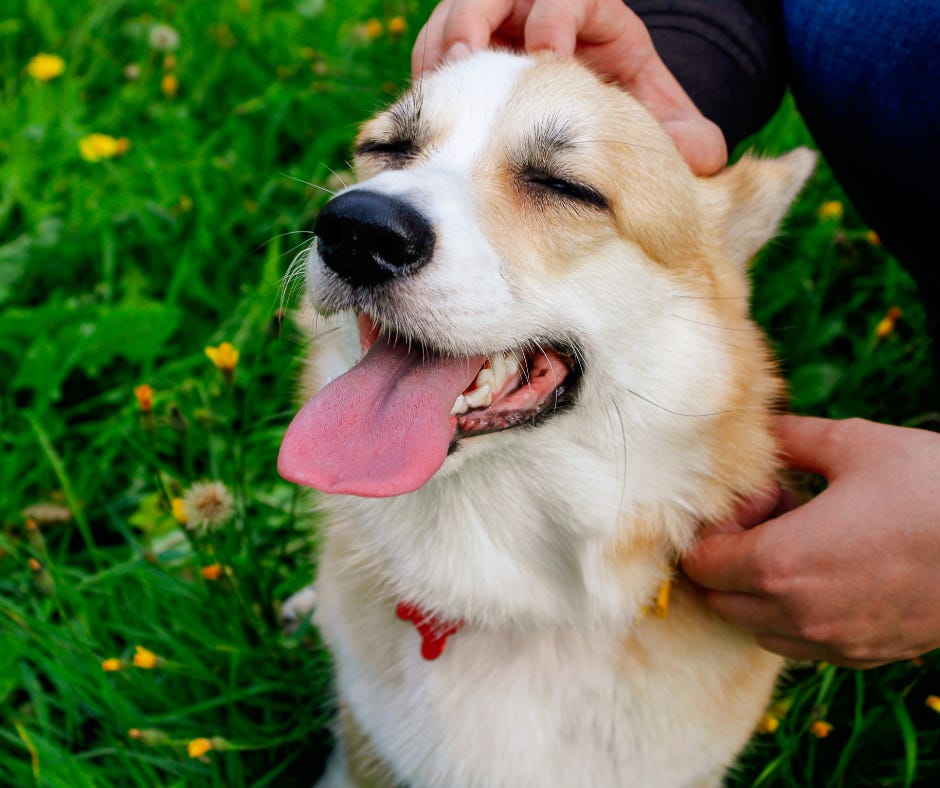
One of the strongest forces behind our bond with dogs is oxytocin, often called the love hormone. When we look into a dog’s eyes, stroke them, or play together, oxytocin levels rise in both human and dog. This is the same hormone that strengthens the bond between a parent and child. Biologically, our brains are responding to dogs as trusted companions, creating feelings of safety, attachment, and deep emotional warmth.
Emotional Intelligence in Fur
Dogs are remarkably skilled at reading human emotions. They can detect changes in facial expression, tone of voice, posture, and even scent linked to stress or fear. Research shows that dogs often respond with comforting behaviours when their humans are upset, which in turn lowers cortisol (the stress hormone) and helps regulate our nervous system. This natural empathy is why dogs are so effective in therapy and trauma recovery
A Bond Forged by Evolution
The relationship between humans and dogs goes back tens of thousands of years. Early wolves that were calmer, more social, and better at understanding human cues were more likely to survive alongside people. Over generations, this led to a species uniquely adapted to human companionship. Modern dogs are, in effect, evolution’s experts in forming emotional bonds with us.
Unconditional Acceptance
Psychologically, dogs fulfil a powerful human need: to be loved without judgement. They do not care about our status, mistakes, or appearance. This unconditional positive regard creates a sense of emotional security that is rare in human relationships. For many people, this steady, non-critical presence becomes a vital source of comfort and stability.

The Healing Power of Routine and Touch
Daily rituals walking, feeding, playing, resting together build attachment through consistency and trust. Physical touch, such as petting, further activates calming neural pathways and reduces anxiety. These small, repeated interactions quietly strengthen the bond, reinforcing feelings of belonging and mutual reliance.
Love Written in Biology
When we say we love our dogs, it is not just poetic language. Our hormones, brain chemistry, nervous systems, and shared evolutionary history all support that feeling. The connection is real, measurable, and deeply rooted in our biology a partnership shaped over thousands of years that continues to bring comfort, joy, and meaning to human life.