

The Silent Crisis: How the Sudden Removal of Stray Dogs in Turkey is Disrupting the Ecological Balance

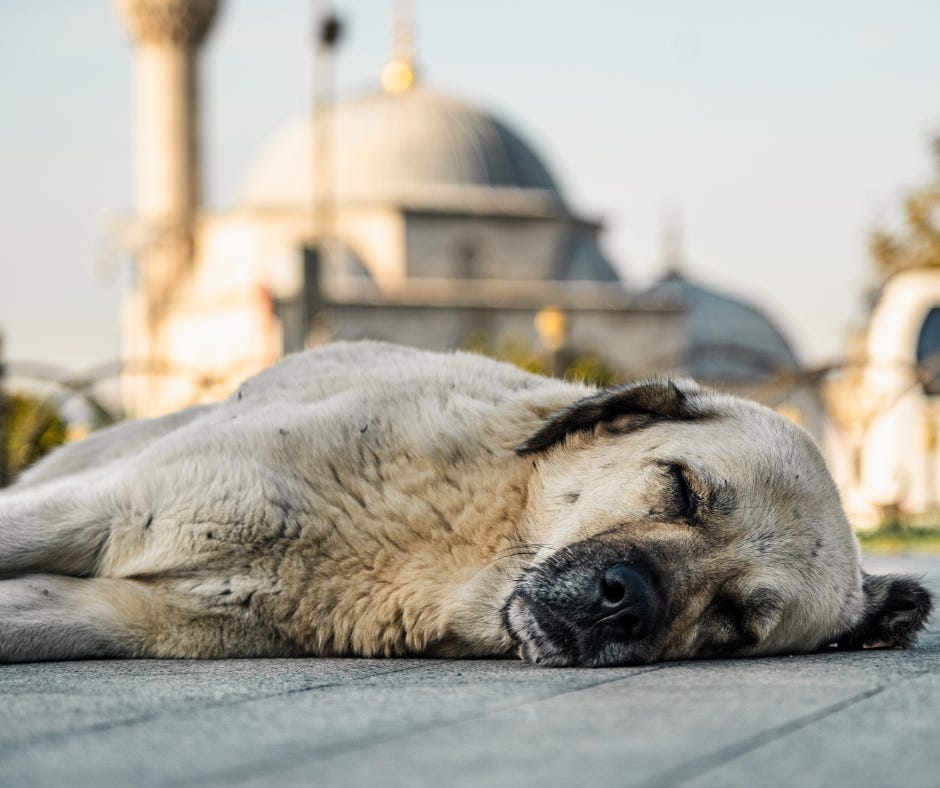
In the last ten months, Turkey has witnessed a controversial and distressing campaign: the sudden removal of stray dogs from its cities and rural areas.
Once a familiar part of Turkish life and culture, these animals are now disappearing at an alarming rate.
While the initiative is being framed by some authorities as a public safety measure, the consequences—both ethical and ecological—are far-reaching and deeply troubling.
The Sudden Shift
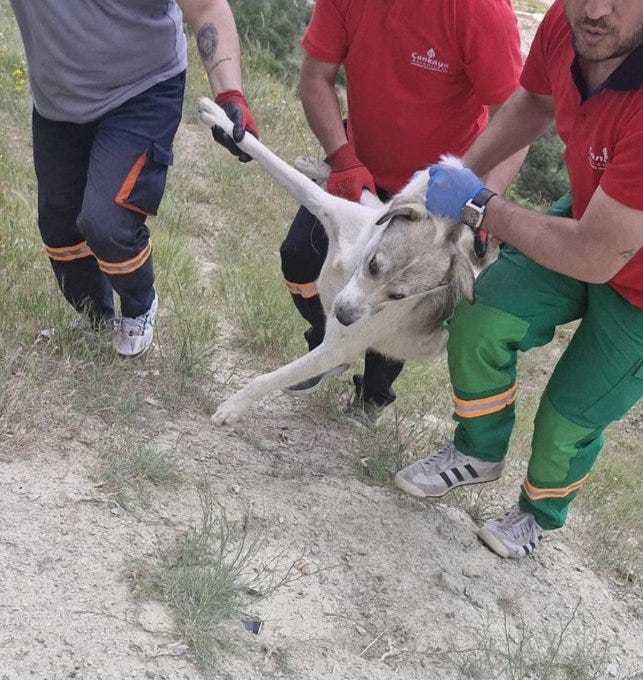
In 2024 and into 2025, reports emerged of mass roundups of stray dogs across the country. Municipal shelters began to fill beyond capacity, while disturbing footage and eyewitness accounts indicated that some dogs were being removed to undisclosed locations or even culled.
Public outcry followed swiftly—animal rights organizations, citizens, and international observers raised their voices, but the campaign pressed on.
The justification? Concerns about public safety following a few highly publicized dog attacks. Yet many argue that the state’s response has been disproportionate, reactive, and lacking scientific basis.
Unseen Victims: The Environment
Beyond the moral and humanitarian concerns lies a less visible but equally urgent problem: the disruption of ecological balance.
Stray dogs have long played a role in the urban and rural ecosystems of Turkey. Acting as both predators and scavengers, they helped control populations of rats and other small animals. Their presence also influenced the behaviour of other urban wildlife, contributing to a delicate balance that took decades—if not centuries—to form.
With their removal, signs of imbalance are already appearing:
Rodent populations are reportedly on the rise in some cities, leading to increased risks of disease and contamination.
Species such as wild boar and other animal groups are beginning to occupy the vacant ecological niches left behind.
Natural waste disposal has become more challenging, especially in areas where dogs previously helped clear organic waste and refuse.
Moreover, some rural communities relied on stray dogs as informal guardians—protecting livestock, warning of intruders, and even deterring wild predators. Their absence is being felt across multiple layers of local life.
What’s at Stake
The forced removal of Turkey’s stray dogs isn’t just an animal welfare issue—it’s a destabilizing environmental action with long-term consequences. By eradicating a keystone species from its habitat without preparation or scientific planning, Turkey risks creating a cascade of problems that will be far harder to resolve than the one it set out to fix.
There are better, proven alternatives: community-supported neutering programs, education campaigns, and long-term coexistence models that many Turkish municipalities had already started implementing successfully. These approaches respect both human safety and animal welfare—and preserve the ecological equilibrium.
A Call for Compassion and Science
As citizens, advocates, and observers, we must urge the Turkish government to reconsider this path. The ecological impact is already unfolding, and the humanitarian cost is heart breaking.
The solution to a perceived threat cannot be the removal of an entire population—especially one that has lived alongside us peacefully for generations. Instead, we must look to science, compassion, and sustainable planning.
If the heart of a nation is revealed by how it treats its most vulnerable, then this is a moment of reckoning. For Turkey, for its environment, and for the thousands of voiceless animals that once roamed its streets in quiet harmony.