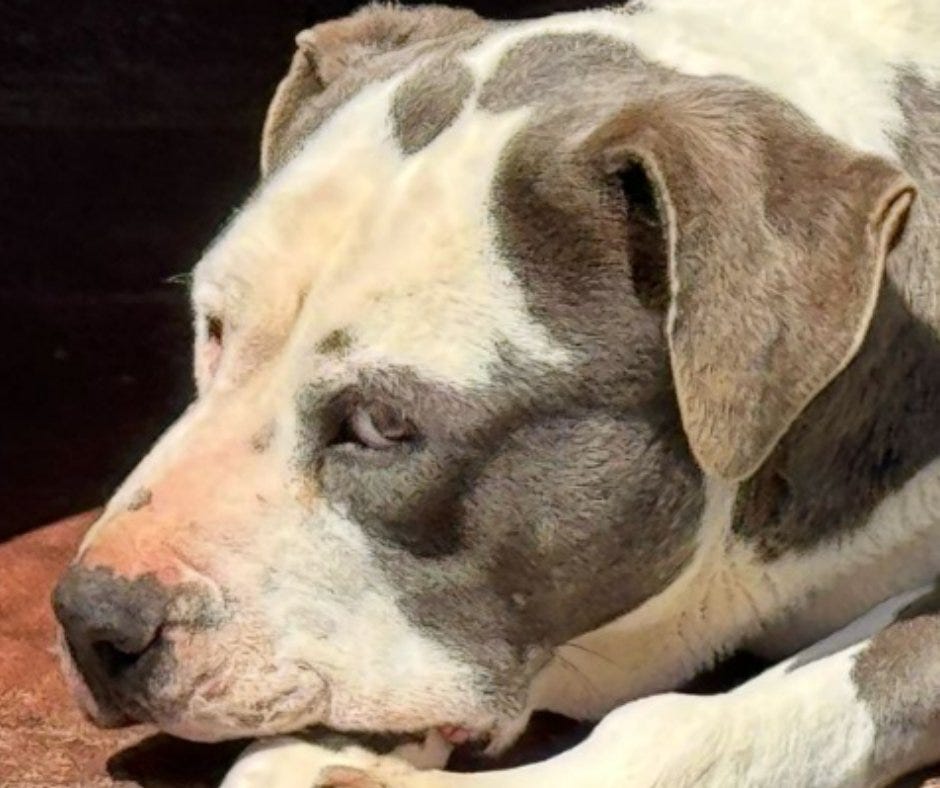
The Truth About Turkey’s Dangerous Dog Law
Turkey regulates dog ownership, breeding and importation under 5199 Sayılı Hayvanları Koruma Kanunu (Animal Protection Law)
In mid-2021, amendments reinforced restrictions on certain dog breeds deemed dangerous. As of 2022 a nationwide ban on specific breeds came into force: owners of dogs on the list had to sterilise and register them with the authorities, otherwise face fines or confiscation.
The purpose behind these restrictions is explained as protecting public safety prompted by incidents of attacks, especially those involving children
Which Breeds Are Banned or Restricted?
Under current regulation in Turkey, the following breeds and their crosses are considered prohibited
American Pitbull Terrier (Pitbull Terrier)
Dogo Argentino
Fila Brasileiro
Japanese Tosa
American Staffordshire Terrier
American Bully
Regulations prohibit breeding, selling, transferring, importing, or advertising these breeds.
For dogs of these breeds registered before the law took effect, certain measures such as sterilisation and micro-chipping were required by a given deadline, or else the dogs risked confiscation.
What Changed 2021–2022 Push and Implementation
In July 2021, amendments to the 5199 law (and related legislation) introduced the ban on these specific breeds.
By January 2022, a nationwide enforcement began: owners had to register existing dangerous-breed dogs, sterilise them, or face penalties including fines and confiscation.
As of early 2022, authorities confirmed more than 12,000 dogs from these breeds had been registered.
These measures reflect an attempt to minimize risks associated with certain dog types, particularly after publicized attacks.
Controversies and Criticisms- Perspectives from Animal Welfare Advocates
While the laws have been promoted in the name of public safety, they are controversial for several reasons:
Some experts argue that breed-based legislation (i.e. banning or restricting certain breeds solely because of their breed) is ineffective. Statistics show that dog bites and attacks are not always linked to breed, many depend on owner responsibility, environment, and training rather than genetics.
The restrictions may encourage abandonment: reports show that some owners, unable or unwilling to meet the registration/sterilisation requirements, abandoned their dogs.
For animal-rescue organisations, such legislation can push dangerous dogs underground and discourage responsible ownership, complicating rescue, rehoming and rehabilitation efforts.
Moreover, as of 2024–2025 there has been fresh legislation targeting stray dogs in general: a law passed in summer 2024 mandates removal of stray dogs from the streets and places them in shelters but shelter capacity is drastically insufficient compared to the estimated stray population, raising serious concerns about euthanasia or neglect.
Under that law, dogs considered dangerous or suffering from incurable disease can be put to sleep.
Risks, Realities and the Path Forward
The laws in Turkey regarding dangerous or banned dog breeds reflect legitimate concerns about public safety. However, as many animal-welfare experts argue, breed-based legislation especially when combined with broad definitions and aggressive enforcement often fails to address the root causes of aggression, abandonment, or irresponsible ownership. It also risks punishing dogs (and rescuers) on the basis of prejudice rather than actual behaviour.
We must push for reforms based on compassion, education and individual assessment, not fear and stereotypes. It also reaffirms the importance of fostering public empathy, responsible adoption practices, and humane treatment policies.


