

The Unseen Struggle: Understanding Black Dog Syndrome


When people imagine the challenges faced by shelter animals, their minds often turn to issues like overcrowding, underfunding, or inadequate medical care. Yet, there is another, quieter problem that has haunted shelters for decades: Black Dog Syndrome.
This phenomenon refers to the tendency of black-coated dogs to be overlooked in adoption centres, where they often wait much longer than their lighter-coloured counterparts to find homes. In some cases, they are never chosen at all.
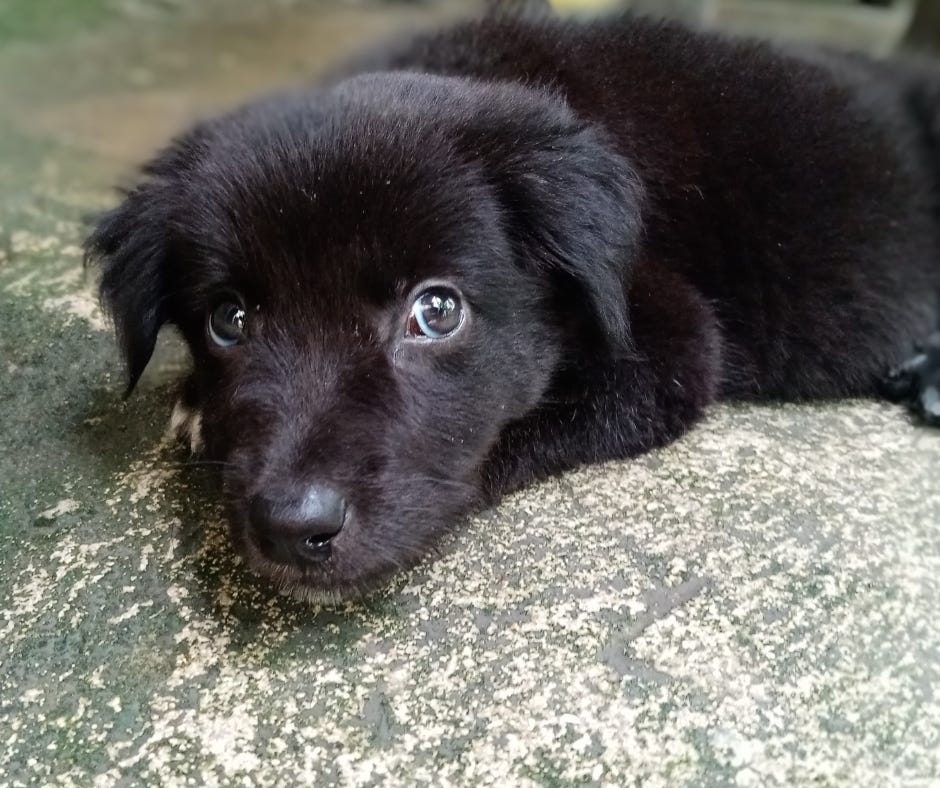
What Is Black Dog Syndrome?
Black Dog Syndrome is not an official medical or scientific term, but it is a widely recognised pattern among animal welfare workers. Studies and shelter records consistently show that black dogs, particularly large breeds such as Labradors, Rottweilers, or shepherd mixes face lower adoption rates.

Why Are Black Dogs Overlooked?
Several factors may contribute:
Appearance Bias: Dark coats may make facial expressions and features less visible, giving black dogs an unfair reputation for being “intimidating” or “unfriendly.”
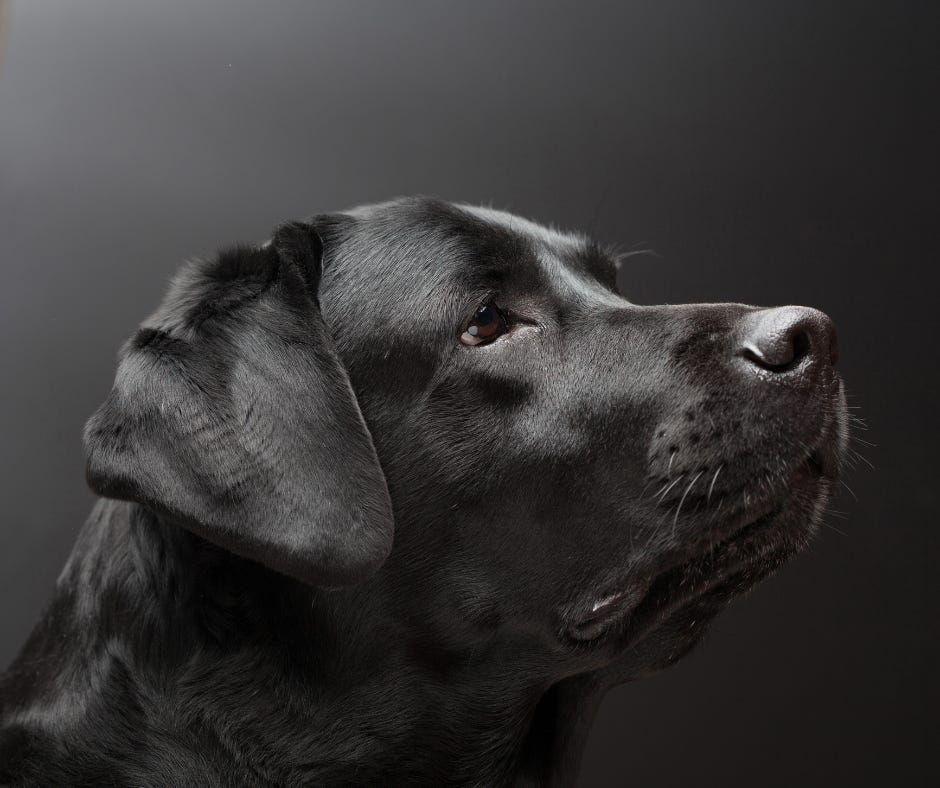
Photographs & Visibility: In dimly lit shelters, black dogs are harder to photograph and may not “stand out” to potential adopters scrolling online.
Cultural Stigma: In some cultures, black animals are tied to superstition, fear, or negative symbolism.
Competition: When lighter-coloured puppies or “fashionable” breeds are present, black dogs are simply chosen less often.

The Consequences
The result is heart breaking: black dogs often spend more time in kennels, experiencing stress, isolation, and declining health. Many are at greater risk of euthanasia simply because of their colour.
What Can We Do About It?
Awareness: Talk openly about Black Dog Syndrome to challenge the bias.
Better Photography: Shelters can use natural light, colourful backgrounds, and bright collars to help black dogs stand out in photos.
Storytelling: Highlight their personalities in adoption posts, quirks, talents, and love for life so people see more than just a coat colour.
Community Education: Address cultural superstitions and stigma around black animals, reframing them as loyal, beautiful companions.

Celebrating Black Dogs
It is important to celebrate the uniqueness and beauty of black dogs. Their glossy coats, soulful eyes, and diverse personalities deserve recognition. Some of the most loyal, loving family members you’ll ever meet might just come in black fur.
By speaking out against this invisible bias, we can ensure that every dog, regardless of colour has an equal chance at a safe, happy, and loving home.