

The Water Troughs of Turkish Graves: Mercy That Lives On

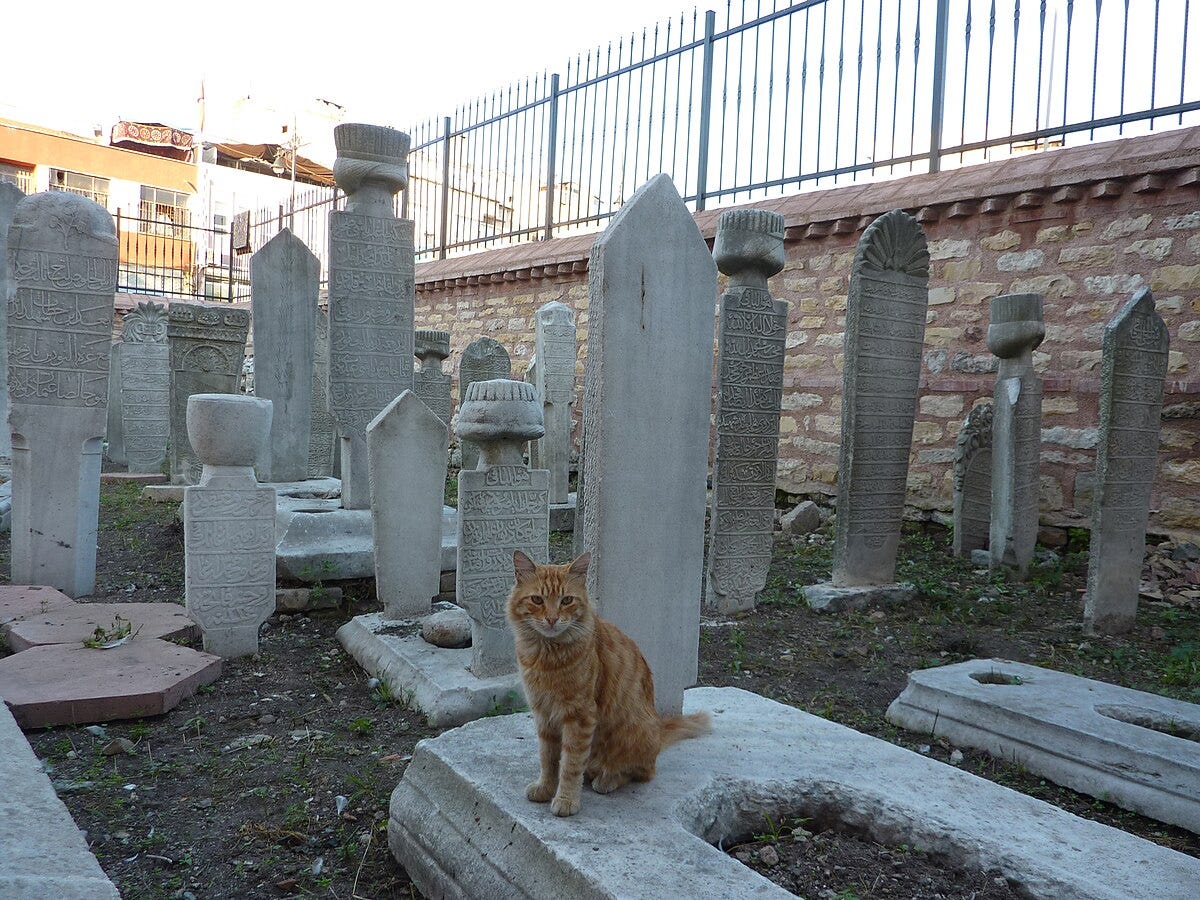
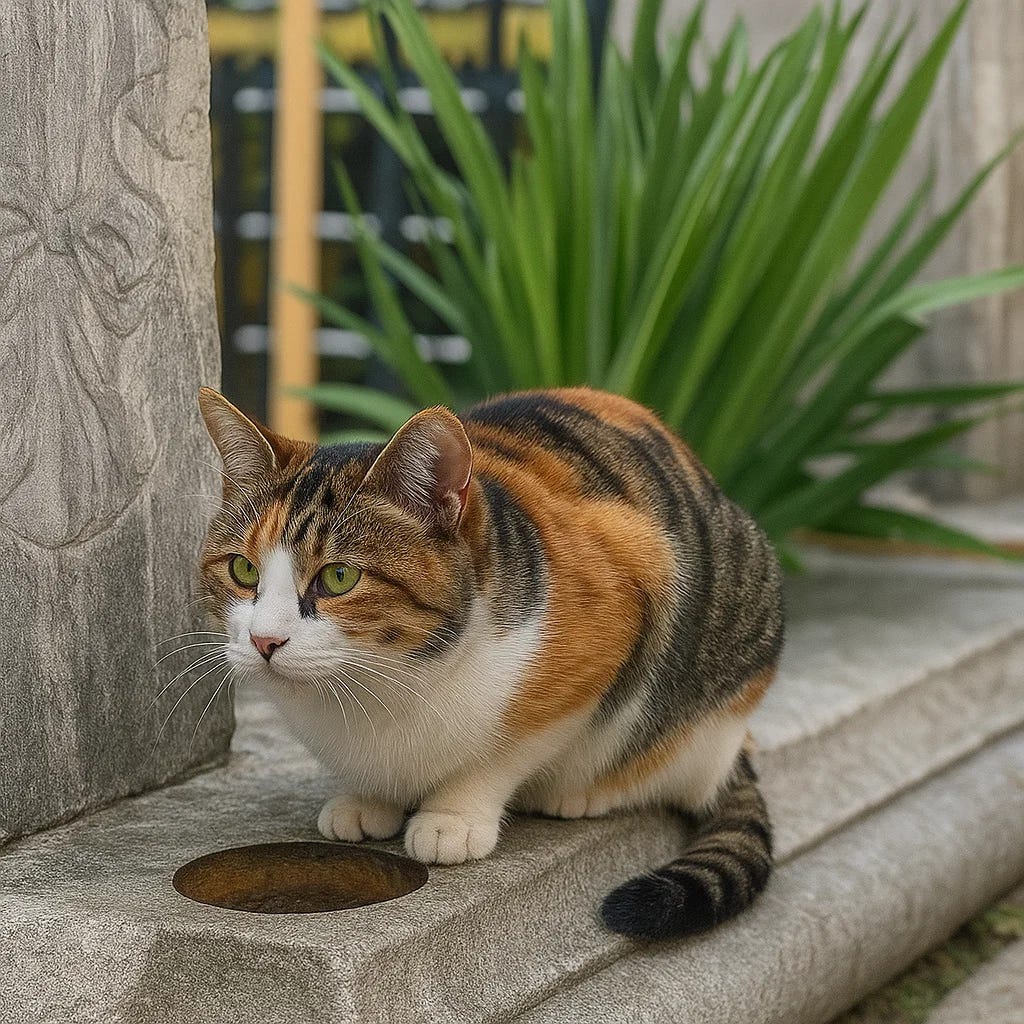
If you’ve ever walked through a cemetery in Turkey, you may have noticed something unusual — small basins or troughs placed on top of graves, sometimes filled with water. At first glance, they might look decorative, but in truth they carry a tradition steeped in compassion, faith, and remembrance.
A Gift for the Thirsty
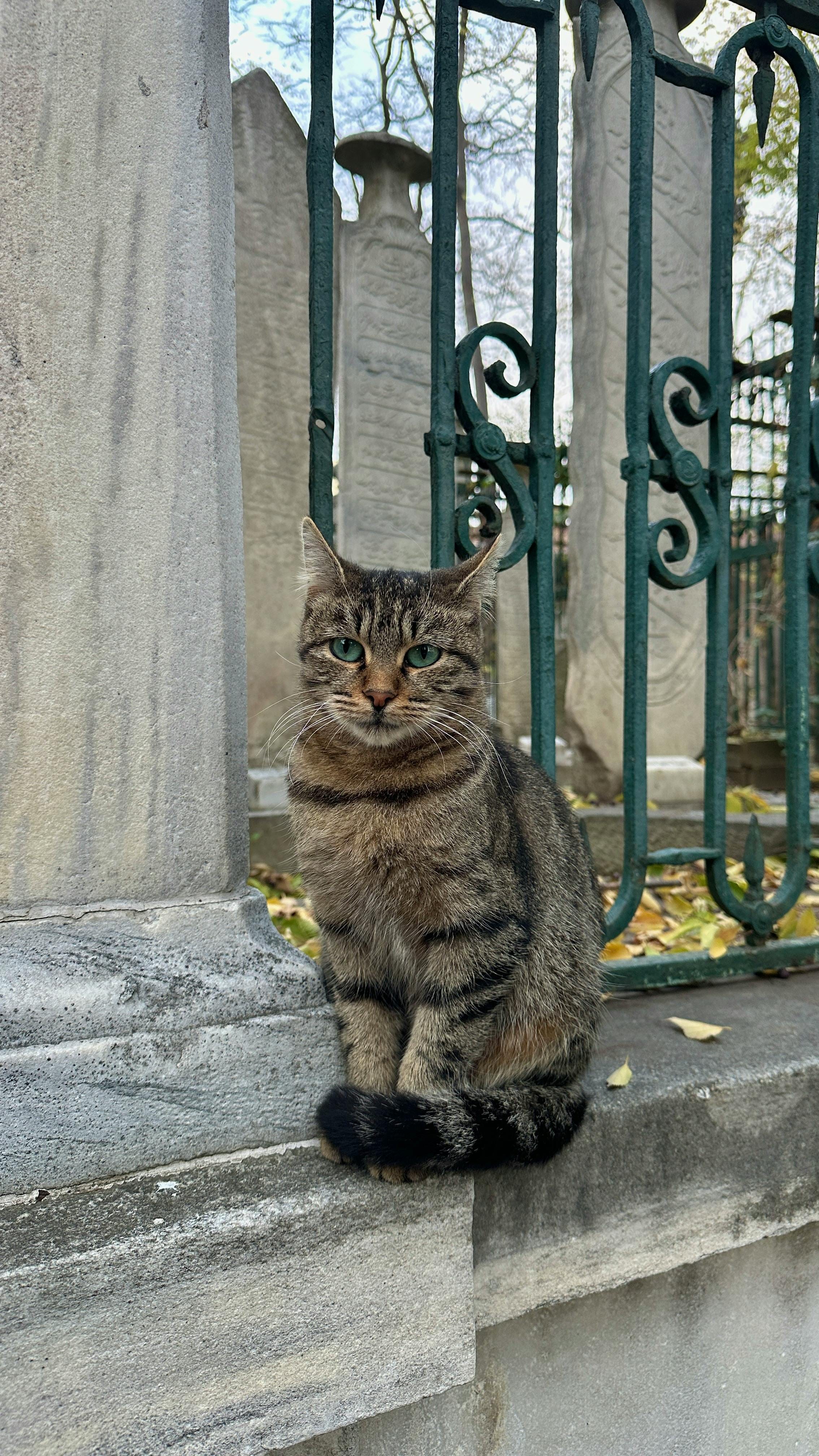
These basins are not there for ornamentation; they are there for life. Visitors or family members fill them with fresh water, creating a lifeline for birds, stray cats, and dogs. In hot Turkish summers, these tiny reservoirs can mean survival for many creatures.
In Islamic tradition, giving water to a thirsty soul — whether human or animal — is considered one of the greatest acts of charity. It’s known as sadaqah jariyah, a form of ongoing charity that continues to benefit the giver even after death. For the deceased, each sip taken by a bird or an animal is a prayer in their memory, a blessing added to their record of good deeds.
Water as a Symbol
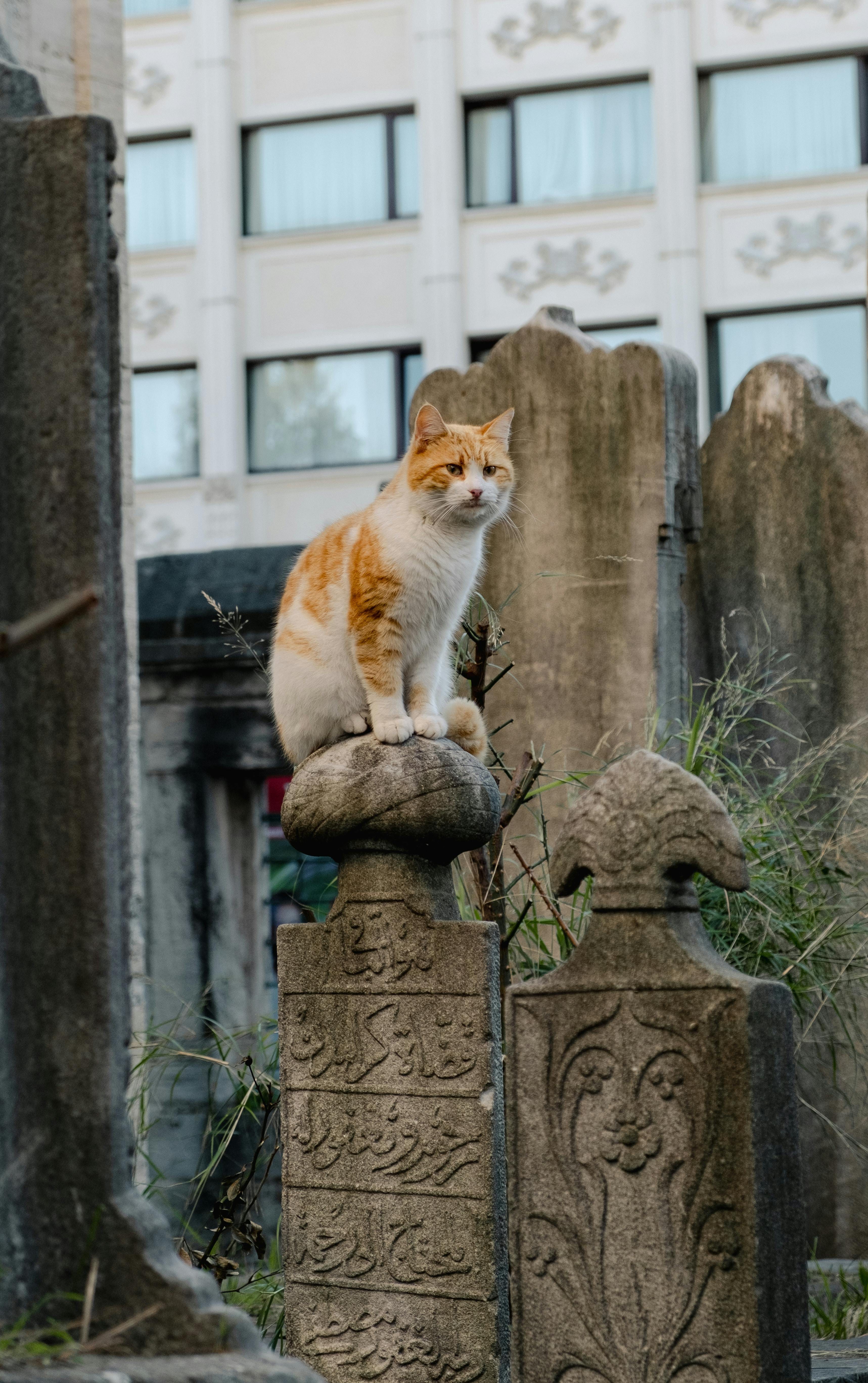
Water holds deep meaning in Islamic culture — it represents life, purity, and mercy. By placing a source of water on a grave, loved ones symbolically wish peace and divine compassion upon the departed soul. The gesture is as much spiritual as it is practical.
A Tradition That Connects the Living and the Dead
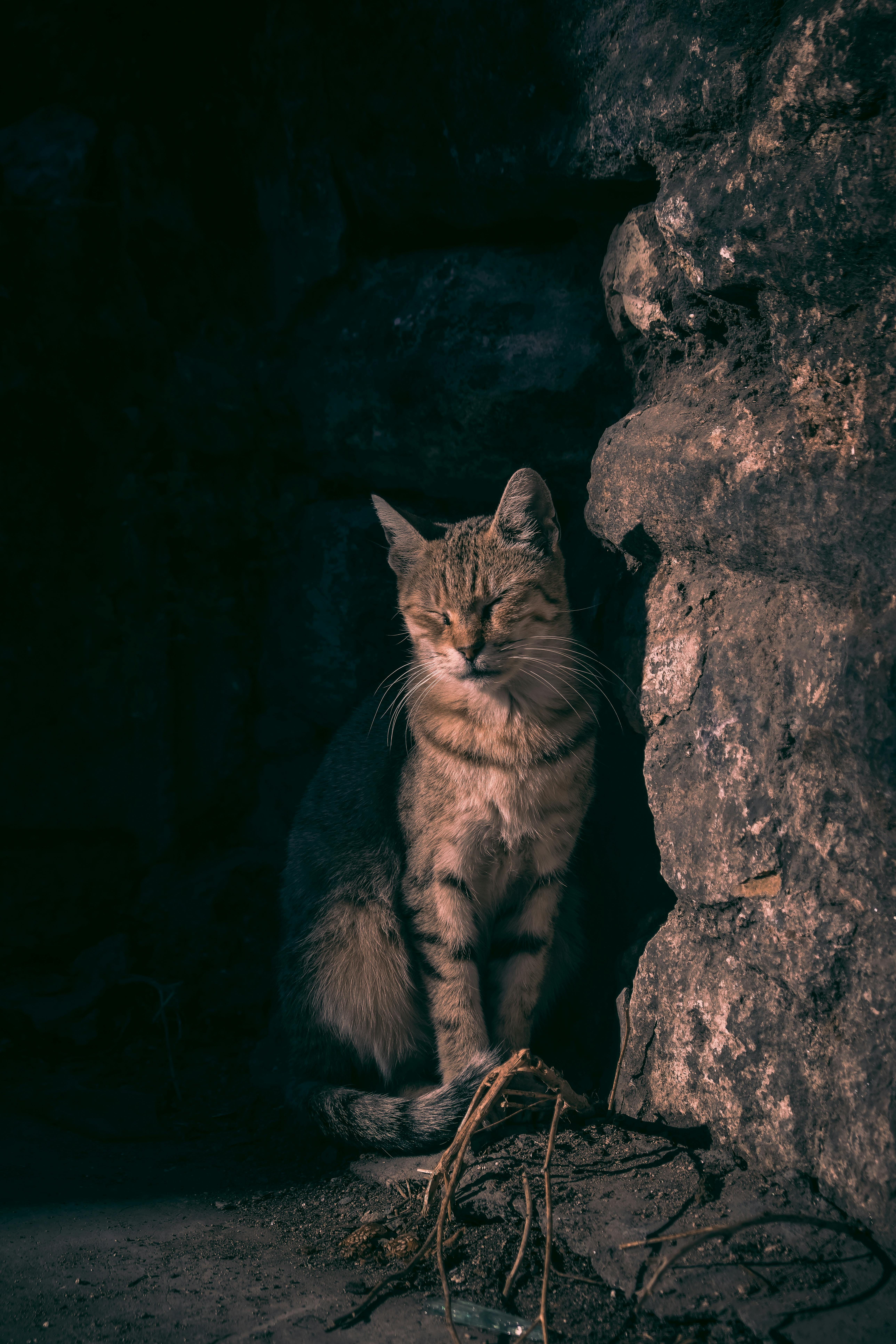
Refilling the water trough becomes a quiet ritual for family members and visitors, a moment to remember the deceased while performing a small act of kindness. It’s a reminder that love and care do not end with death; they simply take a different form.
The Legacy of Kindness
In a world where traditions can fade with time, this practice still thrives in many parts of Turkey. It stands as a simple but profound truth: mercy is eternal, and compassion for all living beings is one of the most beautiful ways to honour a life.
So next time you see a small water trough on a grave, you’ll know — it’s more than just stone and water. It’s a message: “Even in death, let there be life.”