
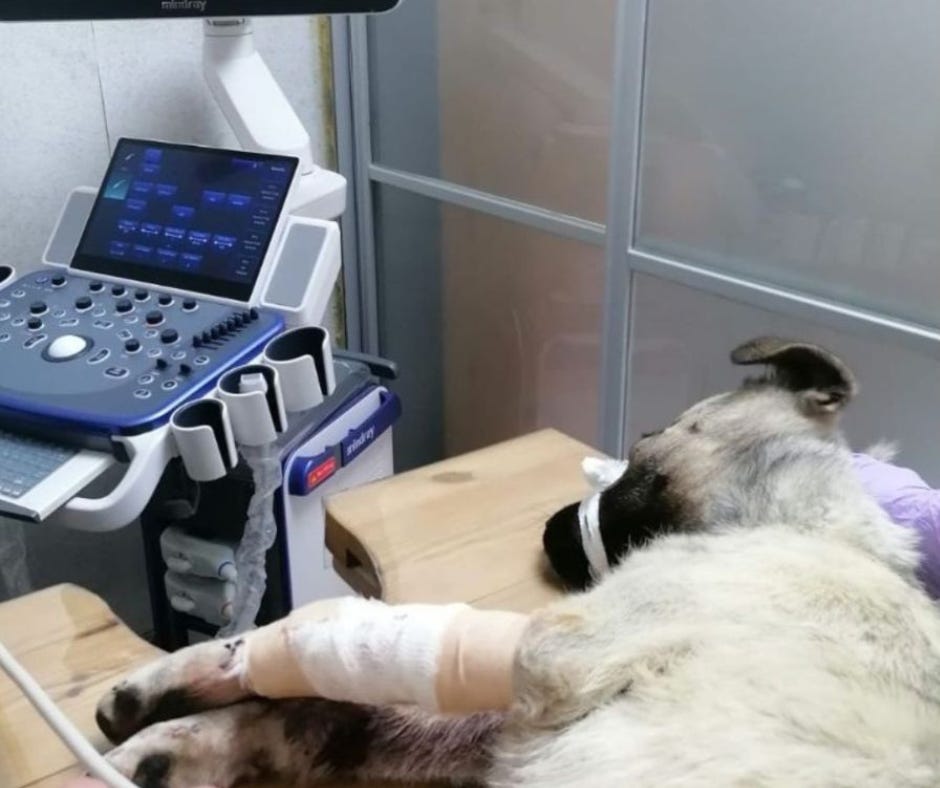
The Weight of Responsibility: Caring for Ex Street-Born Patients
Patients Who Carry a Lifetime of Hardship
When our patients arrive at the clinic, they rarely come with a single, isolated problem. These are animals born and raised on the streets, exposed to disease, hunger, violence, and neglect from the moment they take their first breath. By the time they reach us, they often carry a lifetime of suffering in their small, fragile bodies. Malnutrition, parasitic infestations, open wounds, broken bones from traffic accidents, untreated infections, the list can seem endless.
Every consultation feels like opening a book already half-written, with chapters of struggle that no one has read until now. We don’t just see one illness; we see layers of conditions, stacked on top of one another, each one making the others harder to treat.
The First Task: Keep Them Alive
In these moments, there is no time to overthink. We go into survival mode. The very first priority is always the same: stop the patient from dying. Stabilise them. Ease their suffering. Keep them with us for one more hour, one more night.
Only once the immediate crisis is contained can we move to the next stage, pain relief, infection control, wound management, nutrition, long-term planning. But everything starts with that frantic urgency: ensuring the life in front of us does not slip away.
A World Away from UK Rescue Work
The contrast with rescue work in the UK is stark. In Britain, rescue centres take in animals who, while still in need of love and a home, often have some level of background care. They may have been someone’s pet before circumstances changed. They are less likely to arrive on the edge of death, carrying multiple untreated conditions.
Here, every patient is an emergency. Every day feels like triage. The luxury of focusing on rehoming, behaviour support, or preventative healthcare often feels out of reach when survival itself hangs in the balance. There is no wider safety net if we can’t pull them back from the brink, there is nothing waiting behind us to catch them.
The Emotional Strain of Survival Work
The weight of this responsibility is heavy. Living in a constant state of emergency, where the line between life and death is always so thin, places enormous strain on our mental and physical health. The adrenaline that carries us through critical cases leaves behind exhaustion, headaches, and burnout.
We carry the unspoken burden of every decision, what we managed to do, what we couldn’t do, what resources we didn’t have. Each case stays with us long after the clinic doors close. The sheer volume of suffering we witness accumulates silently inside, demanding more strength than we sometimes feel we have.
Why We Keep Going
And yet, we keep going. We do it because each life matters. Because for that animal, walking into our clinic might be their only chance at survival. We do it because we cannot look away, because we know that without intervention, there will only be silence where once there was life.
But the truth is this: while we fight for survival on behalf of our patients, we must also face the toll it takes on us. This work changes you. It chips away at your resilience. It forces you to live in a heightened state of urgency that the human body and mind were never designed to sustain.
It is both a privilege and a burden to carry the health of street-born patients on our shoulders. We do it because we must, because there is no one else. But we also know the cost on them if we stop, and on us if we keep going.


