

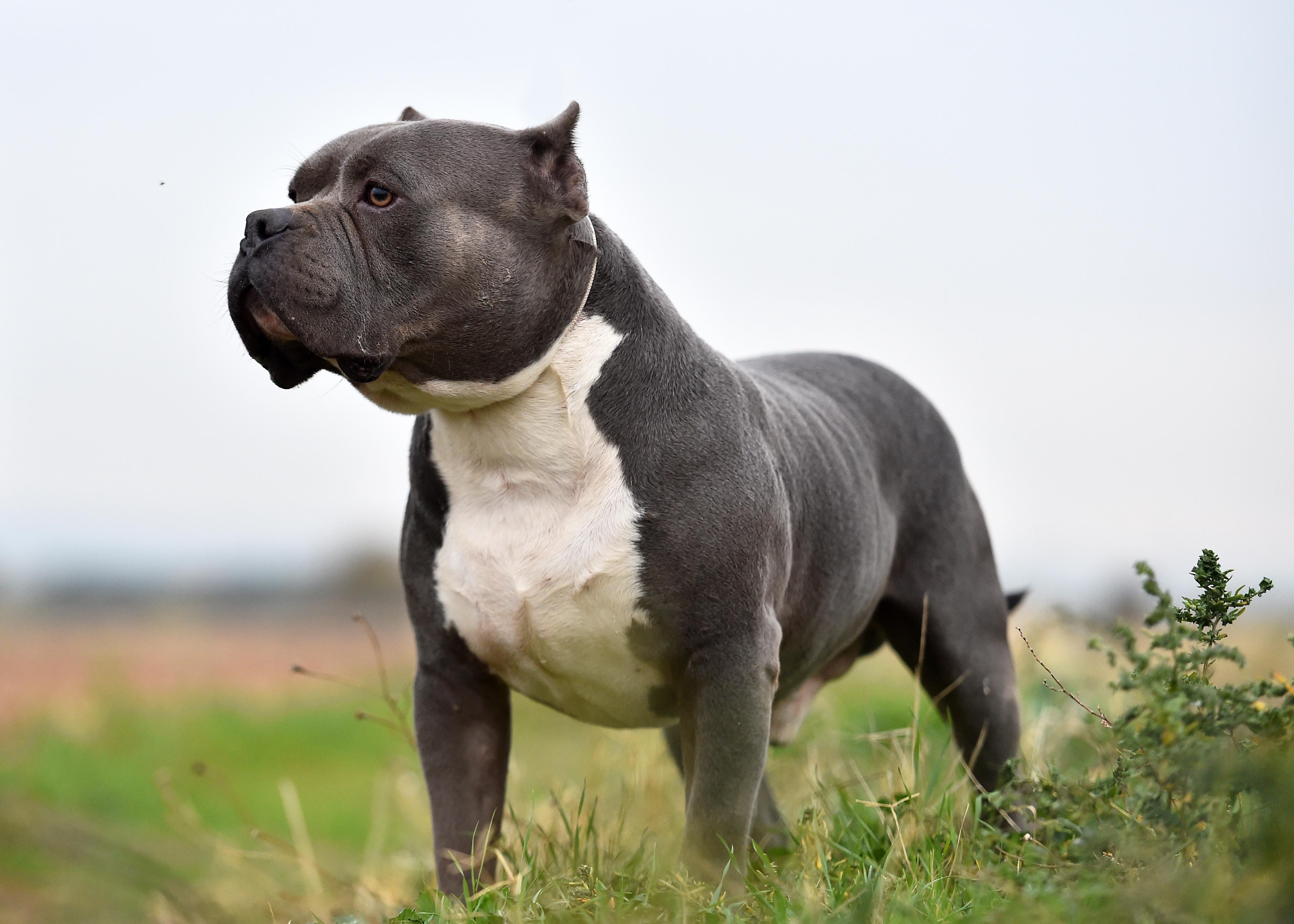
Almost three years after the government announced its ban on American XL Bully-type dogs, we know considerably more about the cost of the legislation and its consequences for animals than we do about whether it has prevented serious attacks.
In September 2023, following a series of horrific attacks involving dogs identified as American XL Bullies, the British government announced that it would add the type to the prohibited list under the Dangerous Dogs Act 1991. The announcement came amid intense media coverage, growing public concern and understandable anger about attacks that had resulted in devastating injuries and loss of life. Families were grieving, communities were frightened and ministers were under considerable pressure to act.
The government chose prohibition.
By 31 December 2023, breeding, selling, advertising, gifting and abandoning XL Bully-type dogs had become prohibited in England and Wales. Owners were also required to keep them muzzled and on leads in public. From 1 February 2024, possession without a valid Certificate of Exemption became a criminal offence. Similar restrictions were subsequently introduced in Scotland and Northern Ireland.
The justification was public safety. Ministers argued that XL Bully-type dogs had been disproportionately involved in the increase in fatal attacks and that urgent intervention was necessary to prevent further tragedies. It was a powerful argument, particularly at a time when the public was being confronted with deeply distressing accounts of people losing their lives.
But the seriousness of a problem does not, by itself, establish that the government’s chosen response will solve it. Legislation must ultimately be judged by what it achieves, not by how decisive it appears when announced.
Almost three years later, tens of thousands of dogs are living under permanent legal restrictions, substantial public money has been committed to enforcement and animals have been seized, detained and destroyed. Yet the government has still not demonstrated, through a sufficiently robust assessment of serious injuries and fatalities, how much safer the public has become as a direct result of the ban.
That is a question we should all be asking.
A ban built on an extraordinary underestimate
In November 2025, the government’s independent Animal Sentience Committee published its assessment of the XL Bully ban. Established under the Animal Welfare (Sentience) Act 2022, the committee examines whether government policy decisions have given appropriate consideration to the welfare of animals as sentient beings. Its findings revealed significant weaknesses in the information available when the ban was being developed.
Defra had initially estimated that approximately 10,000 XL Bully-type dogs were living in the United Kingdom. Yet more than 50,000 had been registered by the time the policy decision was made. The number of animals affected was therefore vastly greater than originally anticipated, with consequences for their welfare, the resources required to enforce the legislation and the thousands of families suddenly facing restrictions on dogs that had previously been lawful to own.
This was not a small administrative error. The number of animals affected by a prohibition is fundamental to understanding the likely consequences of introducing it. An estimate that substantially understates the population also risks understating the financial burden, the number of dogs requiring assessment and the scale of the welfare implications.
In March 2026, the government responded to the committee’s findings and acknowledged the limitations of its original estimates. It confirmed that more than 57,000 owners had registered XL Bully-type dogs under the exemption arrangements.
The government had introduced a policy affecting tens of thousands of animals without first establishing an accurate estimate of the population concerned. The Animal Sentience Committee concluded that the welfare burden was significantly greater than anticipated.
That finding raises serious questions about how thoroughly the consequences of the ban were considered before it was implemented.
Millions spent enforcing a prohibition
The financial consequences have also been considerable. Police forces became responsible for identifying suspected prohibited dogs, arranging assessments, transporting seized animals and paying for kennelling and veterinary care. Where classification is disputed or legal proceedings are prolonged, those costs can continue accumulating for months.
The Animal Sentience Committee reported that, in January 2025, the National Police Chiefs’ Council had projected that kennelling and veterinary bills alone would exceed £25 million by the end of the financial year. This represented a reported increase of 500%. The government subsequently confirmed that it had provided £9.5 million to support police kennelling and veterinary expenditure associated with enforcement.
These are different financial measures, and neither should be presented as the complete cost of the ban. Nevertheless, they demonstrate the considerable resources required to maintain a system in which dogs may be seized and detained because their physical characteristics meet a prohibited-type definition.
The committee raised an important question about whether those resources might have achieved greater benefits if directed towards other measures capable of improving animal welfare and public safety.
That question deserves a serious answer.
Police forces and local authorities have finite resources. Money spent housing dogs during legal proceedings cannot simultaneously be spent investigating dangerous ownership practices, improving enforcement against irresponsible owners or developing programmes intended to prevent attacks before they occur.
Nobody should question whether protecting the public is worth paying for. The issue is whether this particular expenditure is producing the greatest possible public safety benefit.
The government has not yet provided the evidence necessary to establish that it is.
Dogs condemned by their appearance
Perhaps the most troubling aspect of the legislation is that an individual dog does not need to have attacked anybody, threatened anybody or demonstrated aggressive behaviour to fall within the prohibition.
The legal definition of an XL Bully is based on physical characteristics rather than a verified pedigree. A dog may therefore be classified as a prohibited type because of its appearance, regardless of its temperament, history or relationship with its owner.
An animal that has lived peacefully in a family home can become subject to seizure and legal restrictions despite never having behaved dangerously.
For dogs taken into police custody, the consequences can be severe. They may be removed from familiar surroundings and held in kennels while their legal status is determined. Some remain detained for extended periods, with limited opportunities for the exercise, social contact and normal activities that contribute to their welfare.
The Animal Sentience Committee identified seizure, prolonged kennelling and lifelong restrictions as significant negative welfare consequences. Even dogs lawfully exempted from the prohibition must be kept on leads and muzzled in public, while owners must comply with insurance, neutering and other conditions.
These requirements are presented as necessary safeguards, but they also restrict how dogs can experience the world. The committee recognised that stigma associated with prohibited dogs may discourage owners from exercising them in public, potentially further limiting normal activity.
None of these consequences depends on whether the individual dog has previously demonstrated dangerous behaviour.
There is a fundamental difference between taking action against an animal that presents an identifiable risk and imposing restrictions on an animal because its appearance places it within a prohibited category. The first responds to evidence concerning the individual. The second relies on an assumption about a group.
If that assumption is to justify such serious consequences, the evidence supporting it must be exceptionally strong.
How many dogs have lost their lives?
In its March 2026 response, the government reported that compensation had been claimed for 406 dogs euthanised under the voluntary compensation scheme introduced alongside the ban.
That number has an important limitation. It represents dogs for which compensation was claimed through that particular scheme, not the total number of XL Bully-type dogs euthanised following the legislation.
It does not include every animal destroyed following police seizure or court proceedings, nor does it account for dogs euthanised through other arrangements.
The number of dogs registered under the exemption scheme also tells us little about the present population. Registration figures cannot establish how many animals remain alive, how many have subsequently died or how many exemptions have ceased to apply.
If the government is to provide a meaningful account of the legislation’s consequences, it should publish comprehensive and consistent information about seizures, detention periods, court outcomes, exemptions and euthanasia.
Without those records, the public cannot establish the full scale of the impact on animals.
The absence of a complete picture is particularly concerning when the policy was introduced in the name of public protection. If the state considers it necessary to impose restrictions that can ultimately result in an animal’s destruction, there should be a clear public account of how those powers have been used.
Has the public actually become safer?
This is the question that should determine whether the ban can be considered successful.
The government argued that XL Bully-type dogs were disproportionately involved in serious and fatal attacks. To establish whether prohibition has reduced that risk, it is necessary to examine reliable information about incidents before and after the legislation was introduced, taking account of changes in the dog population, ownership patterns and the circumstances surrounding attacks.
We must also distinguish between a reduction in attacks involving dogs identified as XL Bullies and a reduction in serious dog attacks overall. If attacks involving one prohibited type decline but serious incidents involving other dogs continue or increase, the overall benefit to public safety may be very different from what a breed-specific comparison suggests.
Unfortunately, the information needed to make these assessments remains inadequate.
In September 2026, Defra published the report of its Responsible Dog Ownership Taskforce. It confirmed that there is no centrally maintained, standardised database of dog bites and attacks across the United Kingdom. Police forces, hospitals and local authorities collect information for different purposes, often using inconsistent definitions and recording practices. Important details about the dogs involved and the circumstances of incidents may be missing.
The taskforce reported that hospital admissions for dog bites or strikes in England increased from 6,097 in 2010–11 to 10,787 in 2024–25, a rise of approximately 77%. It acknowledged that dog ownership had increased during this period but stated that recorded bites and strikes had risen faster than dog ownership.
Those figures demonstrate the scale of the wider problem, but they cannot tell us whether the XL Bully ban has worked. Most of the period predates the prohibition, and the figures do not isolate incidents involving XL Bully-type dogs.
Nor can changes in the relatively small annual number of fatalities establish causation without careful analysis. Fatal attacks are uncommon enough for annual totals to fluctuate considerably, and identifying a dog as a particular type is not always straightforward.
The available evidence therefore requires caution. It would be wrong to claim that the ban has definitively failed to prevent any attacks, just as it would be wrong to declare that it has saved lives without reliable evidence demonstrating that outcome.
What we can say is that the government has imposed substantial restrictions without yet producing a sufficiently robust evaluation of their effectiveness.
For legislation with consequences of this magnitude, that should not be considered acceptable.
The prevention programme the government put on hold
One of the most revealing findings in the official reports concerns what happened to the government’s wider work on preventing dog attacks.
The Responsible Dog Ownership Taskforce was established in 2022 following research commissioned from Middlesex University. Its purpose was to examine measures that could improve responsible ownership and reduce incidents involving dogs, including education, training, enforcement and better information.
The taskforce began meeting and developing recommendations during 2022 and early 2023.
Then its work stopped.
According to the September 2026 report, the taskforce was paused in 2023 because implementing the XL Bully ban required substantial Defra resources. It did not reconvene until May 2025.
The government therefore suspended its broader programme for examining dog-attack prevention while concentrating on introducing breed-specific restrictions.
There is an even more troubling aspect to this decision.
The Animal Sentience Committee reported that consideration of breed-specific legislation itself was outside the taskforce’s remit.
The government had diverted resources away from a programme intended to examine how dog attacks could be prevented, yet that programme was not tasked with evaluating the very legislation being introduced as an urgent public safety measure.
The committee identified the prolonged inactivity of the taskforce as contributing to an evidence gap at the heart of the policy.
It is difficult to understand why a government seeking to prevent serious attacks would interrupt wider research and prevention work to introduce a prohibition, then exclude the effectiveness of that approach from the subsequent review.
Surely the central question should have been whether banning dogs by physical type was the most effective means of reducing the risk of injury.
Instead, Britain has continued to operate a system of breed-specific restrictions while acknowledging that the information necessary to evaluate dog-attack prevention remains incomplete.
What the government says
The government has defended the XL Bully ban as an important public safety measure. In its March 2026 response to the Animal Sentience Committee, it reiterated its position that XL Bully-type dogs had been disproportionately involved in the increase in serious attacks and maintained that the restrictions were necessary to protect people.
It also pointed to the exemption scheme, additional financial support for police forces and improvements to the Dangerous Dogs database, including arrangements intended to give police access to exemption information.
The government acknowledged that kennelling and restrictions can negatively affect animal welfare, but argued that the measures struck a balance between public protection and allowing exempted dogs to remain with their owners.
Those arguments should be considered seriously. Governments have a duty to respond to credible risks, and the physical characteristics of a dog can influence the severity of injuries when an attack occurs. The consequences of serious incidents can be catastrophic, and families affected by them are entitled to expect meaningful action.
But acknowledging the seriousness of attacks does not establish that prohibiting dogs by physical type is the most effective available response.
The government’s justification rests on an assessment of risk associated with a category of dogs. Its success must therefore be evaluated by examining whether the restrictions have reduced that risk in practice.
The number of exemptions issued, dogs seized or prosecutions undertaken can demonstrate how actively legislation is being enforced. They cannot, on their own, establish how many injuries have been prevented.
The consequences for animal rescue
The ban has also affected rescue and rehoming organisations already operating under considerable financial and capacity pressures.
The September 2026 taskforce report acknowledged an increase in bull-breed dogs entering rescue organisations following the introduction of the prohibition. It noted that the circumstances surrounding these admissions were not always clear, with some dogs potentially abandoned and others relinquished by owners concerned about the restrictions.
For rescue organisations, additional admissions mean more animals requiring accommodation, veterinary care, assessment and suitable homes. Where a dog is suspected of being a prohibited type, the legal restrictions create further complications.
Dogs that might otherwise have been assessed and rehomed through ordinary procedures cannot simply be placed with suitable adopters. This reduces the options available to organisations and can prolong the time animals spend in care.
The consequences extend beyond the dogs directly affected by the ban. Every kennel occupied, every veterinary bill incurred and every additional animal requiring long-term support places pressure on resources that might otherwise have helped other dogs.
These effects are part of the true cost of the legislation and should be included in any assessment of whether it has achieved its intended purpose.
Britain needs an independent evaluation
Almost three years after the announcement, the government should be able to provide a clear account of what the XL Bully ban has achieved.
That requires more than counting registrations and enforcement actions. It requires reliable information about serious attacks, independently verified where possible, and an assessment of whether changes can reasonably be attributed to the restrictions rather than other factors.
It requires an examination of the circumstances in which attacks occur, including previous incidents, ownership practices, breeding, training, containment and opportunities for intervention before somebody is injured.
It also requires transparency about the financial and animal welfare consequences, including the number of dogs seized, the length of time they spend in kennels, the outcomes of proceedings and the number destroyed.
Most importantly, the government must be prepared to compare breed-specific prohibition with other approaches to prevention.
Britain already has legislation addressing dogs that are dangerously out of control, regardless of their breed or type. Effective enforcement, responsible ownership, early intervention and better public understanding of canine behaviour all have potential roles in preventing attacks.
The evidence supporting individual interventions varies, and no system can guarantee that serious incidents will never happen. But that is precisely why the effectiveness of different approaches should be examined rather than assumed.
The purpose of an independent evaluation should not be to produce a predetermined conclusion for or against the ban. It should be to establish whether the public safety benefits are sufficient to justify the consequences.
A ban is not proof of protection
The XL Bully ban has changed the lives of tens of thousands of dogs and their owners. It has placed substantial demands on public resources, created additional pressures for rescue organisations and exposed animals to restrictions, seizure and potential destruction.
Those consequences are documented.
What remains insufficiently established is how much safer Britain has become because of them.
The government introduced the prohibition following devastating attacks, and the suffering of victims and their families must never be overlooked. But those families deserve more than the appearance of decisive action. They deserve policies supported by evidence, capable of identifying genuine risks and preventing further tragedies.
Dogs deserve protection from unnecessary suffering, including the consequences of legislation based on assumptions about physical appearance rather than individual behaviour.
These are not competing objectives.
There is no reason why protecting people should require abandoning the principles of animal welfare, just as concern for animals should never mean ignoring the safety of the public.
The government’s own independent advisers have identified serious weaknesses in the information used to develop the ban and substantial welfare consequences that were not adequately anticipated. Its Responsible Dog Ownership Taskforce has acknowledged that Britain still lacks the coordinated data necessary to evaluate prevention measures reliably.
And the wider programme intended to examine those measures was put on hold while the ban was implemented.
The number of dogs restricted is not a measure of lives saved. The number of animals seized is not evidence of attacks prevented. And the existence of a prohibition does not establish that the public is safer.
Almost three years after the announcement, the government should be required to demonstrate that the consequences of its decision are justified by measurable benefits.
If the ban has prevented serious injuries and fatalities, the public deserves to see the evidence.
If it has not, or if its effectiveness remains uncertain, that must be acknowledged and independently examined.
We cannot continue to judge dog-control legislation by how many dogs it prohibits while failing to establish how many people it protects.
Thirty-five years after the Dangerous Dogs Act was introduced, Britain has extended the same approach to another group of dogs without resolving the fundamental questions surrounding its effectiveness.
The government promised greater public safety.
It is time to establish whether that promise has been delivered.
Dog Desk Animal Action CIC - Independent animal welfare investigation and accountability.
Sources and further reading
Animal Sentience Committee - XL Bullies and the Dangerous Dogs Act, November 2025
https://www.gov.uk/government/publications/animal-sentience-committee-xl-bullies-and-the-dangerous-dogs-act-report/animal-sentience-committee-report-xl-bullies-and-the-dangerous-dogs-act
UK Government - Response to the Animal Sentience Committee, March 2026
https://www.gov.uk/government/publications/government-response-to-the-animal-sentience-committee-report-on-xl-bullies-and-the-dangerous-dogs-act/government-response-to-the-animal-sentience-committee-report-on-xl-bullies-and-the-dangerous-dogs-act
Defra - Responsible Dog Ownership Taskforce Report, September 2026
https://www.gov.uk/government/publications/responsible-dog-ownership-report/responsible-dog-ownership-taskforce-report
The XL Bully Ban: A Conversation From The Beginning