

Three Years On: Remembering the Turkey-Syria Earthquake

Credit http://dsns.gov.ua
On 6 February 2023, a series of catastrophic earthquakes including a magnitude 7.8 tremour followed by another measuring above 7.5 shook Türkiye and Syria in the early hours of the morning. These were among the most devastating earthquakes in the region’s history, with widespread destruction across entire cities, thousands of lives lost, and millions left deeply scarred by loss and upheaval.
I remember that day vividly, the shock, the fear, the images of collapsing buildings, and the frantic search for loved ones. Grief didn’t feel like sorrow; it felt like fear frozen in place. You checked your phone, desperate for connection, for reassurance, for news that was almost impossible to bear.
Three years later, that seismic moment still echoes in the hearts of survivors.
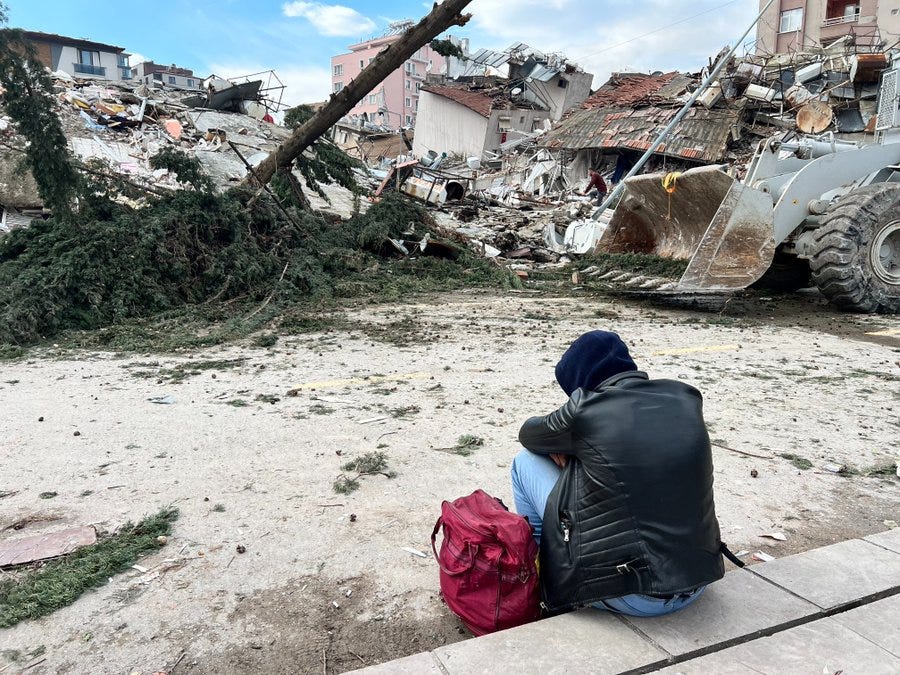
Lives Still in Transition
Despite enormous efforts by governments, aid agencies, local volunteers, and countless ordinary people who rushed in to help, the road to recovery has been long and uneven:
Hundreds of thousands of people remain housed in temporary container settlements, far from permanent homes, with economic hardship and unemployment still higher than before the disaster.
Landmarks of cultural and communal life lie in ruins, such as historic buildings and neighbourhood centres, tangible reminders of what was lost.
The trauma of that day lingers deeply. Psychological studies show persistent distress, anxiety, and mental health challenges among survivors, highlighting that rebuilding structures is only one part of recovery, healing hearts and minds takes time too
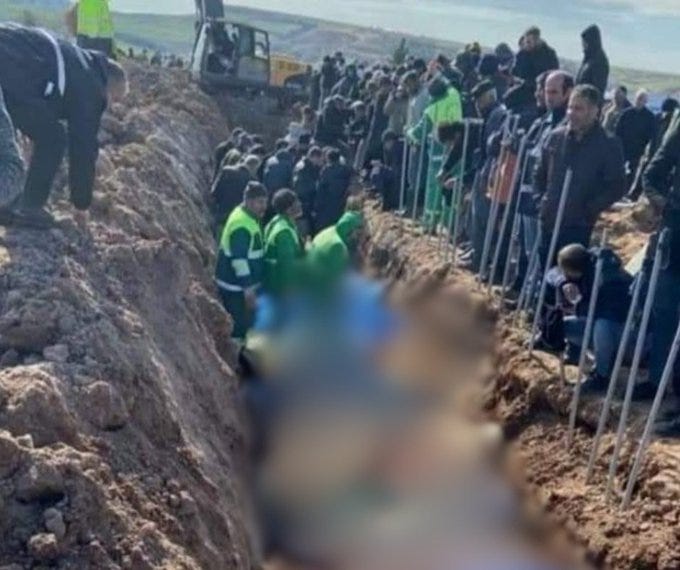
Communities That Never Forgot the Stray and the Vulnerable
During the immediate aftermath, our team saw something enduring: connections that went beyond human suffering.
We heard of stray dogs, abandoned pets, and community animals caught in the rubble, creatures with no voice of their own. The chaos of the quake didn’t distinguish between human and animal; in many ways, it reminded us that compassion does not distinguish either.
Ibrahim a dear friend and daily feeder of hundreds of dogs was uncontactable for days. When we spoke finally, it was clear how fragile those first 72 hours had been. Yet he did what he always had: he fed, he cared, he looked after those with no one else. That stubborn resilience of humans and animals alike is part of what defines recovery.
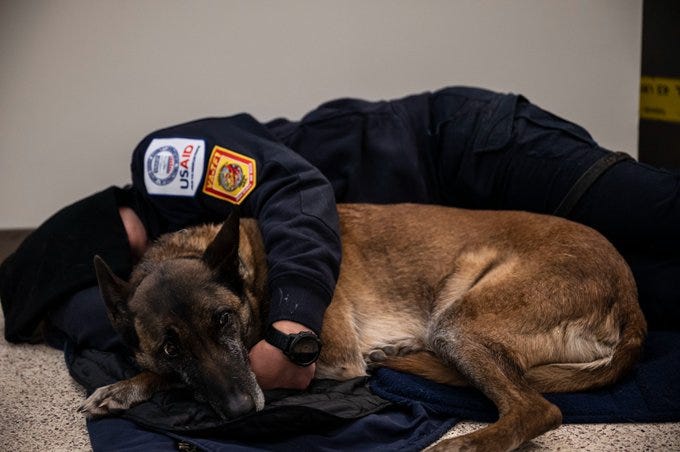
A Grief Turned to Commitment
Three years on, we don’t just remember loss; we remember courage, solidarity, and ongoing need. We remember the teams who worked around the clock, the volunteers who brought blankets and food, and the strangers who became friends.
We honour the human and animal survivors whose lives were irrevocably changed. And we recommit to the work that remains:
Supporting mental health and social services for survivors
Rebuilding communities in ways that restore dignity and belonging
Ensuring animals caught in disasters are never forgotten
Because memories may fade for some, but for those who lived it, the people, the dogs, the entire web of lives intertwined by that February morning, 6 February will always mark a story of loss and resilience.
Credit TRT World
Three Years Later: What Has Changed?
Recovery projects continue with international and local efforts working side by side from infrastructure to sustainable livelihood programmes.
Communities are rebuilding slowly, but much work remains to restore homes and neighbourhoods.
The world hasn’t forgotten, remembrance events and solidarity vigils still take place in cities around the world, reflecting on lives lost and futures yet being shaped.
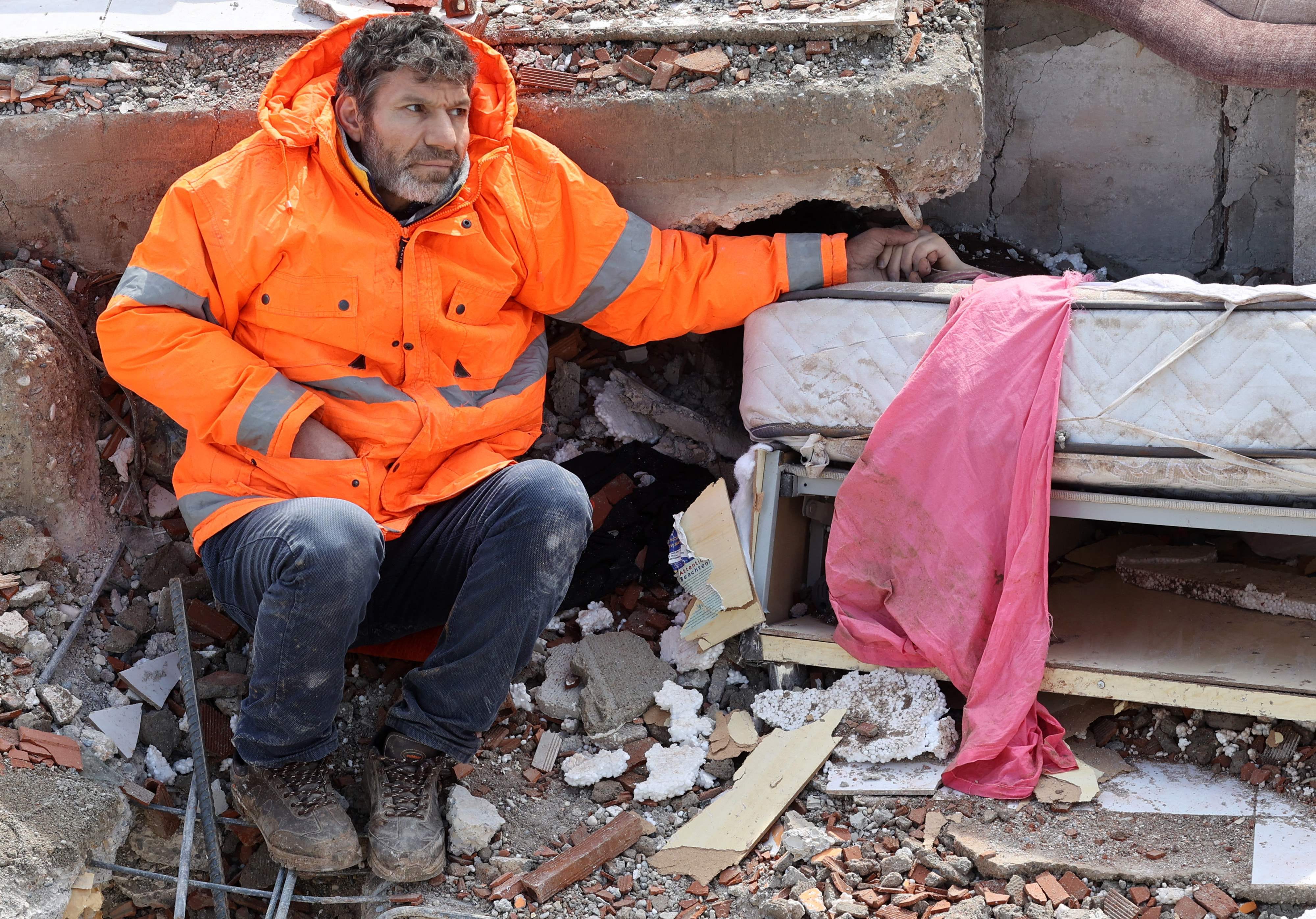
We Remember. We Act. We Continue.
Three years after the quake, the earth may have stopped shaking but the work of healing continues. Not just in bricks and mortar, but in memory, in kindness, and in the everyday choices we make to stand with those who rebuild.
That is how we honour what was lost by ensuring that love, solidarity, and support never crumble.