

Turkey Loosened the Leash and Eased The Kangal Export Ban

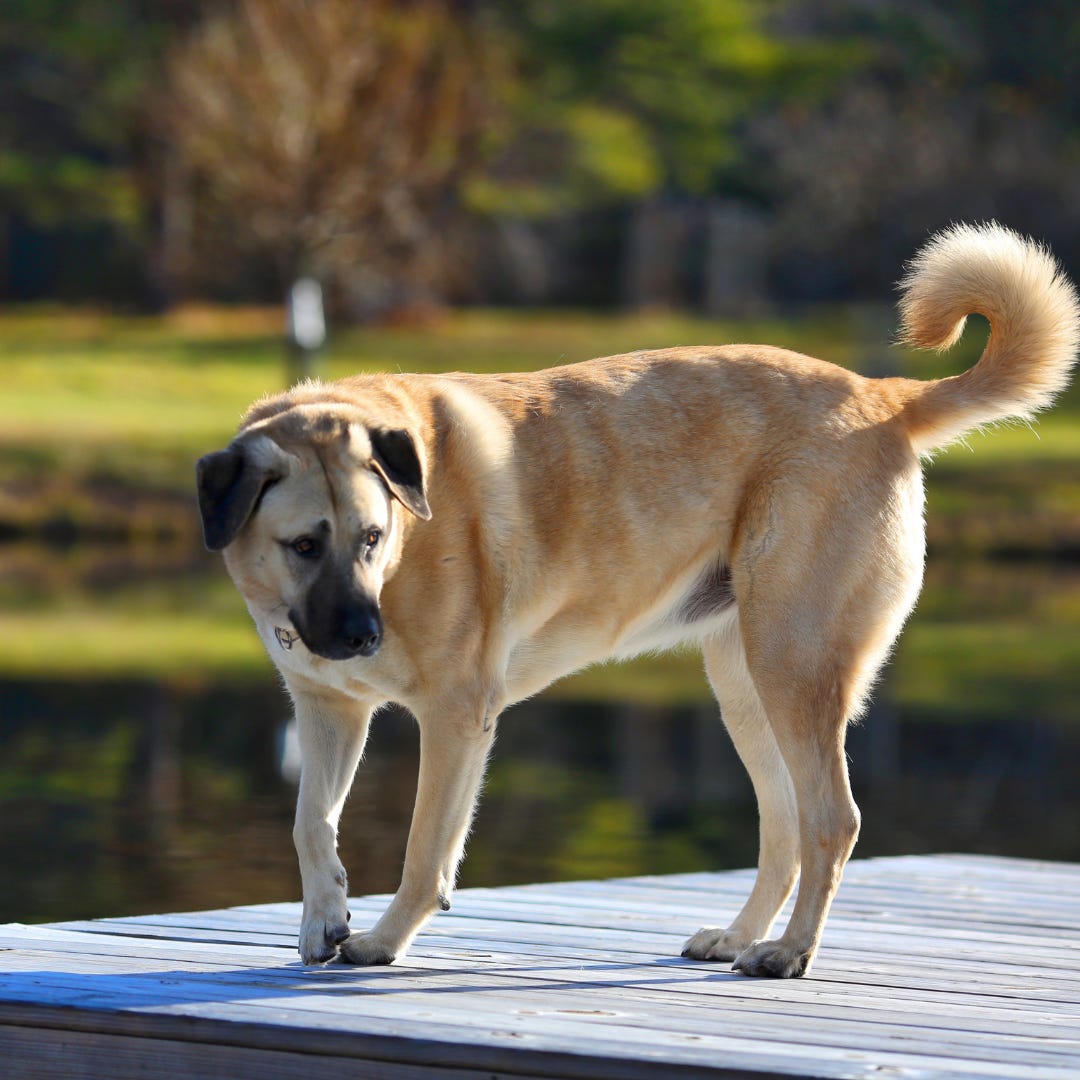
For decades, Turkey’s most famous livestock guardian the Kangal was not allowed to leave the country. The government had imposed a strict export ban, determined to keep the breed within Turkish borders to protect its purity and prevent commercial exploitation.
But in 2021, that long-standing restriction finally changed. After years of pressure from breeders and international enthusiasts, Turkey quietly relaxed the ban, allowing exports under carefully controlled conditions.
A Breed Locked Behind Borders
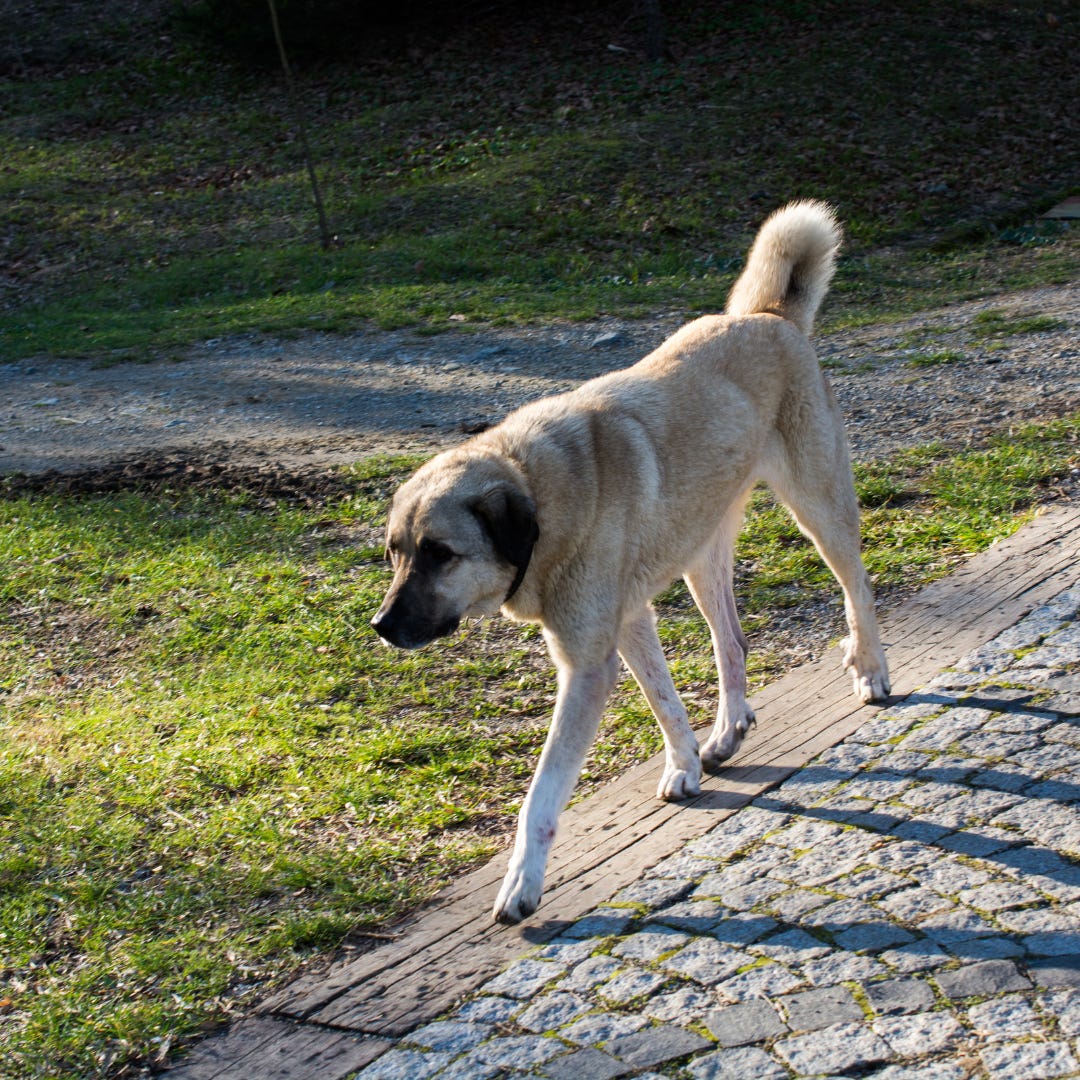
The export ban had been in place for years and was deeply tied to national identity. The Kangal was seen as a cultural symbol a source of pride representing strength, loyalty, and heritage. Officials feared that sending dogs abroad would lead to crossbreeding, genetic dilution, and profiteering, threatening the integrity of Turkey’s national dog.
As global interest in Kangals grew, the ban became increasingly controversial. International breeders struggled to access authentic Turkish bloodlines, while some individuals resorted to illegal exports, smuggling puppies across borders or mislabelling them as other breeds.
The 2021 Policy Shift
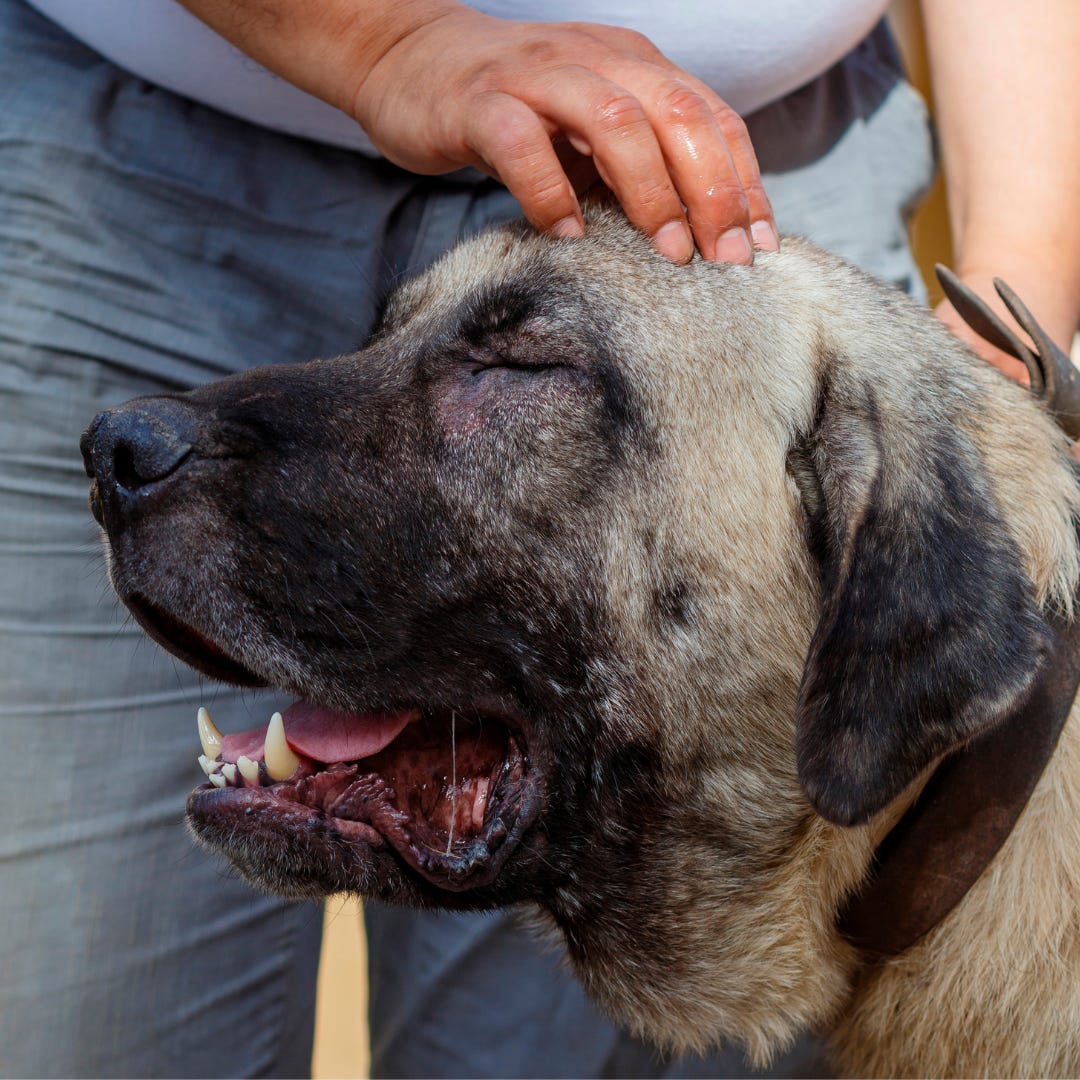
In 2021, Turkey’s Ministry of Agriculture and Forestry announced a major change. The export of Kangals along with other native species like the Van cat and Akbaş dog would be permitted, but only under strict regulation.
Exporters had to:
Obtain official authorisation from provincial agricultural directorates.
Provide ID documentation for each animal, recording medical and ownership details.
Comply with age limits, meaning puppies under three months could not leave unless accompanied by their mothers.
This policy effectively ended the outright ban and replaced it with a controlled export system. It was a move that balanced Turkey’s desire to protect its national heritage with the realities of global demand.
A Cautious Opening
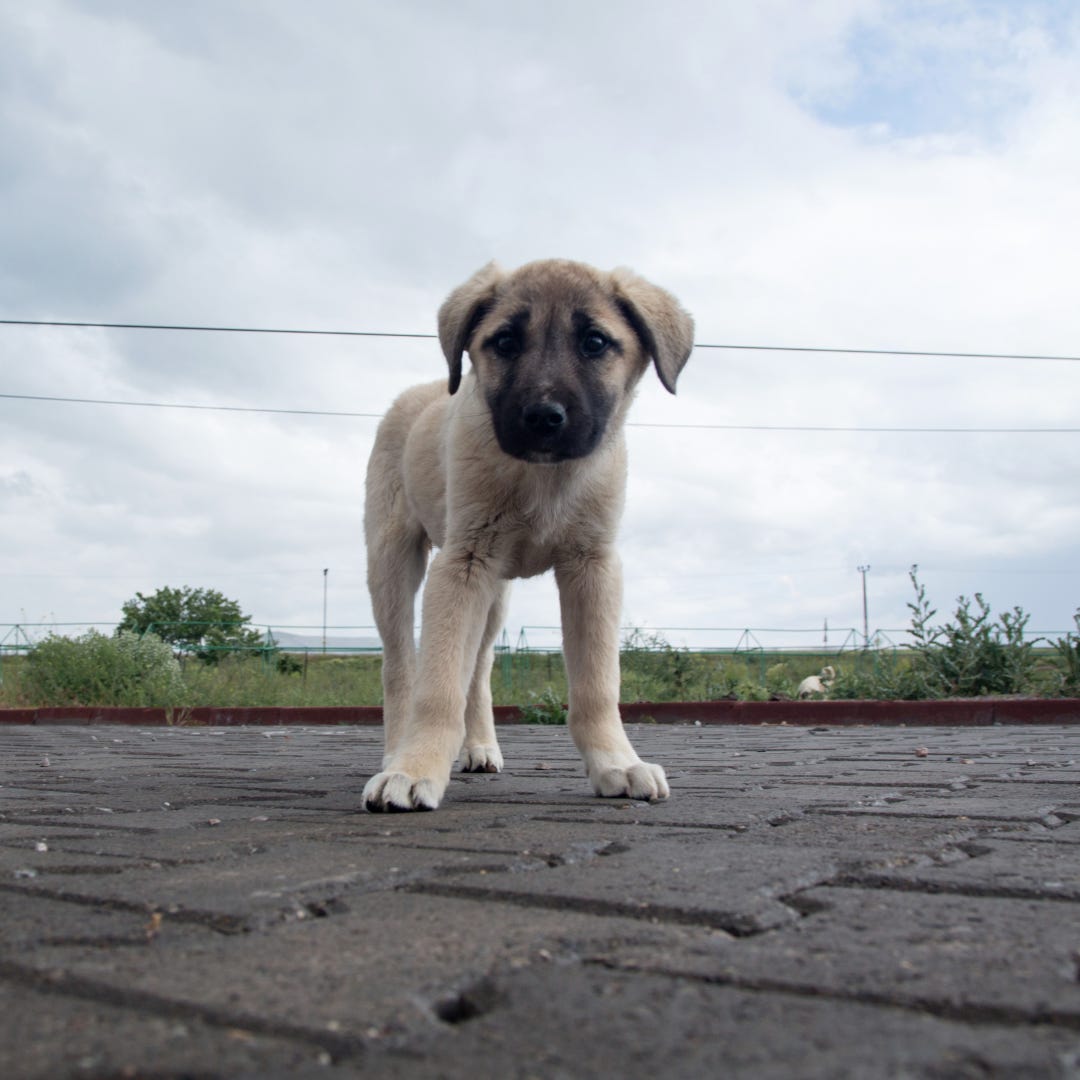
The change did not mean free trade. Exporting a Kangal still required extensive paperwork, and only a handful of breeders were approved to send dogs abroad. The Turkish government maintained tight oversight, aiming to ensure that only registered, healthy, and pedigreed dogs were exported.
While many celebrated the decision as progress, others saw it as a half-measure. Critics argued that bureaucracy and limited access continued to stifle legitimate breeders while failing to curb illegal trade, which simply adapted to the new system.
Legacy of the Ban
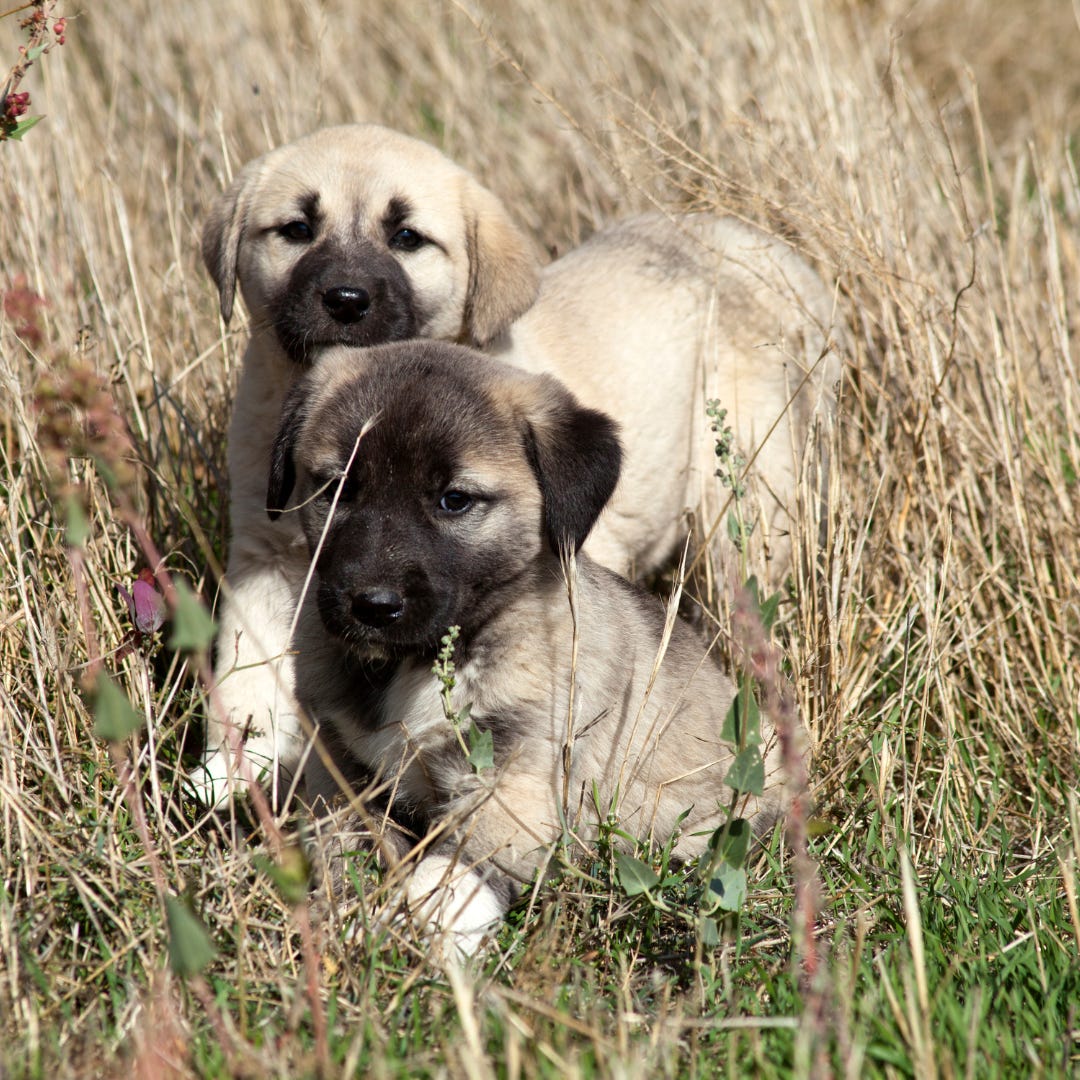
The easing of the export restrictions marked the end of an era but not the end of debate. Supporters of the old system believed the Kangal’s place was in Turkey’s fields and mountains, not foreign kennels. Opponents insisted that controlled international breeding could help preserve the breed’s genetics and improve welfare standards.
Today, the Kangal can be found across the world, but exports remain highly regulated. The ban’s shadow still lingers a reminder of the tension between national pride and global connection, between preservation and progress.
Reflections
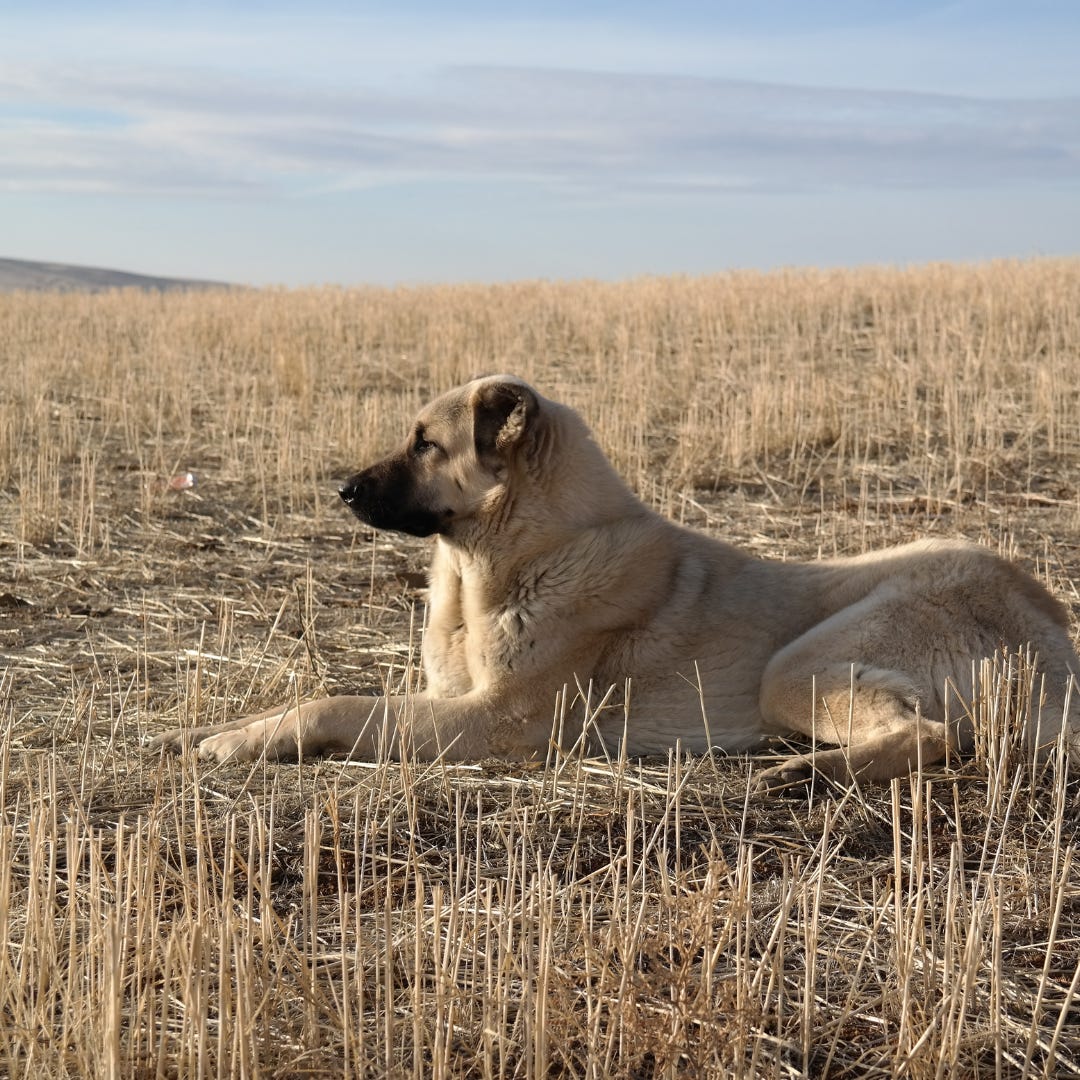
The story of the Kangal export ban is not just about dogs; it reflects how nations guard their cultural heritage in a globalised world. Turkey’s decision to ease restrictions was a measured step toward openness, one that sought to balance identity with inclusion.
And while the Kangal may now roam beyond Turkey’s borders, it continues to carry the weight of its homeland’s history a living emblem of protection, loyalty, and resilience.