
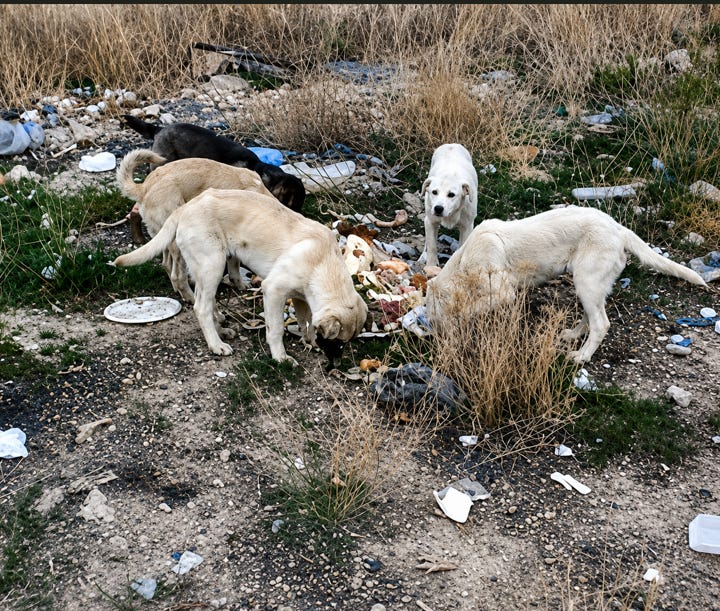
Türkiye says that 97% of the country’s stray animals have now been collected. But how many animals does 97% actually represent, and what happened to them after they were removed from the streets?
A dog can be collected and taken to a shelter, adopted, transferred elsewhere, remain in long term confinement, die in care or be euthanised. Knowing that an animal has been removed from the street tells us very little.
Questions seeking some of those answers have now been submitted through CİMER, Türkiye’s Presidential Communication Centre, to the Ministry of Agriculture and Forestry and the Ministry of Interior.
The request to the Ministry of Agriculture and Forestry sought detailed information about the programme, including the number of dogs collected at provincial and district level, the number adopted, the number remaining in shelters, the number euthanised and the number that had died from disease or other causes while in municipal facilities.
Information was also requested about shelter inspections, including the number carried out, welfare and hygiene violations identified and sanctions imposed. Questions were raised about whether records within the HAYBİS animal registration system corresponded with capacities reported by municipalities and whether action had been taken against veterinarians or municipal officials in relation to unlawful euthanasia.
These are not unreasonable details to seek from a programme responsible for removing animals from public spaces across an entire country. They are the information needed to understand what collection is actually producing for the dogs involved.
The Ministry of Agriculture and Forestry did not provide the requested figures, reportedly stating that supplying the information would require a special study.
A separate set of questions was directed to the Ministry of Interior.
These included requests for information about enforcement of Law No. 7527, action involving mayors or municipal officials, reports received by police or gendarmerie concerning allegations that collection teams had left animals in forests or alongside highways, monitoring of municipal spending obligations and complaints concerning unlawful collection that had resulted in administrative or judicial sanctions.
Again, the requested substantive figures were not provided. The Ministry of Interior instead directed towards statements made publicly by the competent authorities.
The attempt to obtain the information did not stop there.
The failure to provide the requested information was appealed to Türkiye’s Information Access Evaluation Board. That appeal was rejected.
None of this establishes that dogs collected from Türkiye’s streets have been unlawfully killed, abandoned or otherwise harmed. A lack of disclosed information cannot be used as evidence of an outcome that has not been established. But it does create an important transparency problem.
When a government announces that 97% of a country’s stray animals have been collected, that percentage should be capable of scrutiny. There must be a figure against which the 97% has been calculated, and there should be records showing what happened to the animals after collection. How many animals does 97% represent?
How many are currently being housed in municipal shelters or natural living areas? How many have been adopted? How many have died in care? How many have been euthanised? How many have been transferred elsewhere?
There are equally important questions about the facilities receiving them. How many dogs can those facilities accommodate? How many are currently being held? How many facilities have been inspected? What did those inspections find?
Türkiye’s collection programme cannot be understood through a percentage alone.
Dog Desk Animal Action has repeatedly argued that collection should never be treated as the final measure of success. Removing a dog from a street merely moves that animal into another system. What matters next is whether that system can accommodate the dog safely, provide appropriate veterinary care and welfare, maintain traceable records and ultimately produce an outcome that can be accounted for.
Data is important. It allows governments, researchers, animal welfare organisations and the public to distinguish between animals entering a system and animals successfully moving through it. It can identify pressure building inside shelters, expose gaps in capacity and show whether policy is actually improving animal welfare rather than simply removing animals from public view.
Türkiye has provided a striking headline figure: 97% collected. What has not been provided in response to this information request is the detailed data needed to understand what sits behind it.
Until collection figures can be connected to transparent and verifiable outcomes, the most important question remains remarkably simple.
What happened after the dogs were collected?


So desperately sad and unnecessary. My heart feels heavy for what is happening to these animals.