
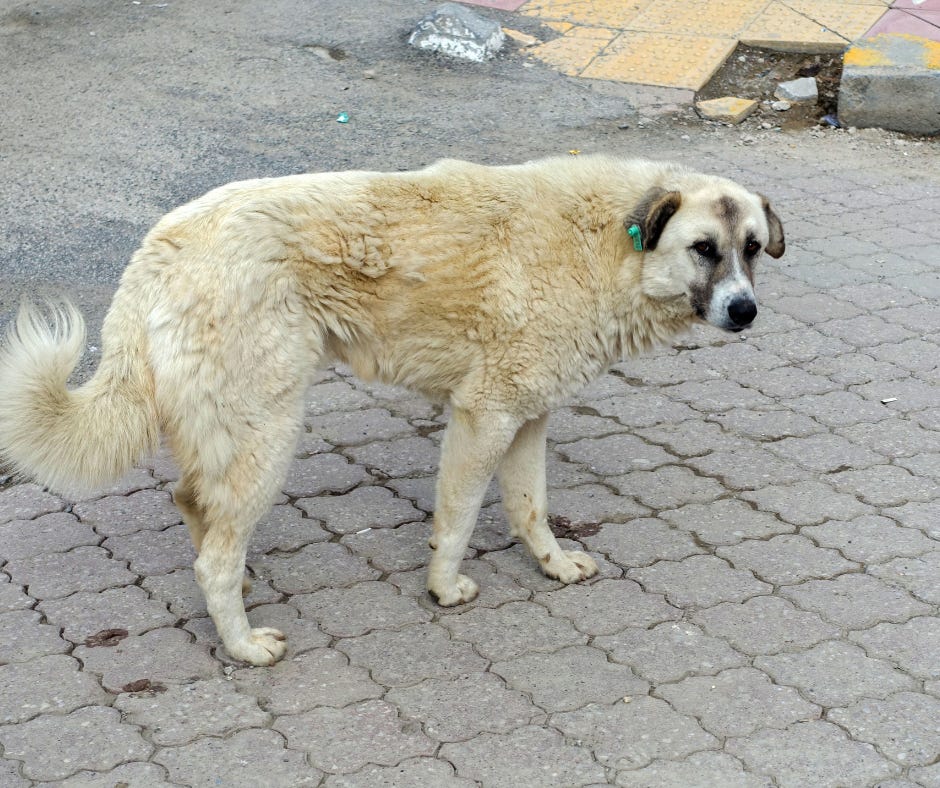
Recently, major news outlets reported that in 2025, approximately 123,538 people in İstanbul sought medical care after potential rabies-risky contact and that over 411,000 doses of rabies vaccine were administered to those individuals. This was based on official health data showing people presented at hospitals after contact with animals like dogs and cats, and that all vaccinations were precautionary, not because actual rabies cases had been confirmed
The Facts Before the Spin
Here’s what the original news sources actually said:
These visits were for kuduz riskli temas, rabies-risky contact such as bites or scratches, not confirmed rabies infections.
The last confirmed rabies case in İstanbul was in 2007.
All vaccinations were preventative, given out because of potential risk, not because people were sick with rabies.
A large majority (around 83 %) of the contacts reported were with cats, and only about 16 % were with dogs; the rest involved other animals.
In other words, the health system is doing its job: offering vaccines when there’s any suspicion that someone might have been exposed, because rabies is fatal without treatment but preventable with prompt vaccination.
But That’s Not Always How People See It
On social media, some posts take those raw numbers and frame them in a way that sounds like a rabies outbreak, or imply that stray dogs in particular are a public menace that must be rounded up or removed. One such post on X (formerly Twitter) shared the figure 124,000 and paired it with dire language suggesting an urgent crisis even though nothing in the actual source said there was an outbreak.
This type of framing can happen in two key ways:
Accidental Misinterpretation:
Numbers like 124,000 sound dramatic. If someone doesn’t read the full article or understand the context that these are precautionary hospital visits, not confirmed cases it’s easy to mistakenly think there’s a huge rabies epidemic underway.Intentional Agenda-Setting:
Some individuals or groups may deliberately take those numbers out of context to push a narrative, for example, that stray dogs are dangerous and must be forcefully removed. This shifts public perception by focusing on fear rather than facts.
Why Accurate Interpretation Matters
When reports are framed as an outbreak or pandemic, the public can begin to associate:
stray animals with disease, and
animals’ presence with public threat rather than shared urban life
That can, in turn, lead to pressure on authorities to crack down on stray dog populations. In extreme cases, this turns into calls for rounding up or culling animals even without evidence that they pose a real public health risk.
This is especially concerning because:
Most cities with large stray dog populations already have vaccination and animal management programmes, and
Rabies transmission in urban settings is rare where vaccination and post-exposure protocols exist as is the case in İstanbul, with no confirmed cases in nearly 20 years
A More Constructive Conversation
Responsible reporting and responsible sharing can keep the conversation focused on solutions rather than sensationalism:
Educate people on what rabies-risk contact actually means, it’s contact that might carry risk, not a confirmed infection.
Emphasise that post-exposure vaccination works, and that the health system is prepared to manage these cases.
Highlight that fear-based interpretations can lead to harmful policies that don’t actually improve public health or animal welfare.
Closing Thought
Numbers are powerful. But without context, they can be misleading intentionally or not. As readers, we need to question not just what is reported, but how it’s being presented and for what possible purpose


