
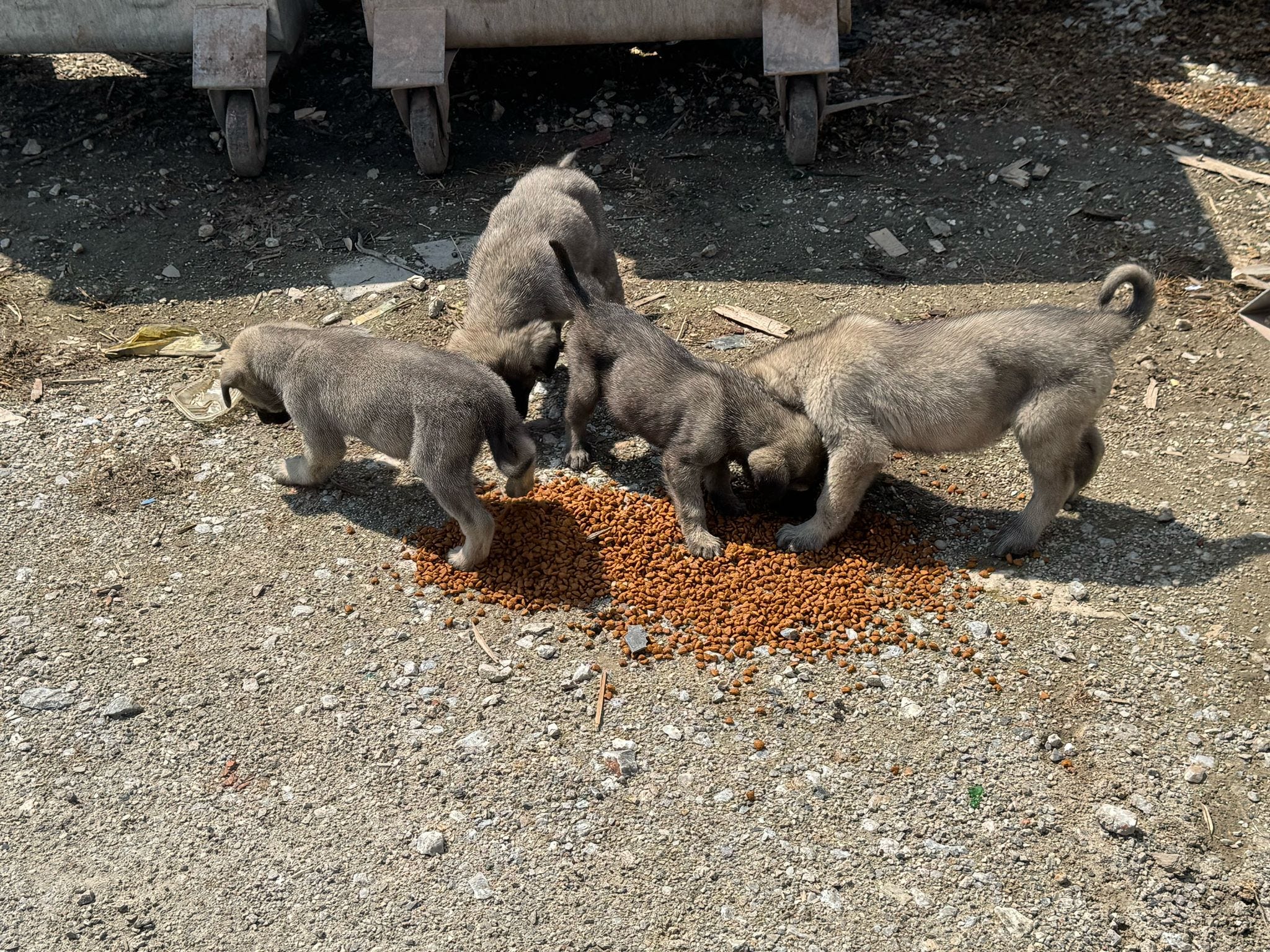
Public opinion is often invoked in debates about Turkey’s street dogs. Politicians cite it. Commentators cite it. Campaigners cite it. Yet surprisingly few people stop to look at what the public has actually been saying.
Two major surveys conducted during one of the most contentious periods in Turkey’s animal welfare history paint a picture that is more nuanced than many of the headlines suggest.
The first was conducted by KONDA in July 2024 during the debate surrounding changes to Turkey’s street dog legislation. The second was published by the International Companion Animal Management Coalition (ICAM) in 2026.
Together, they tell a remarkably consistent story.
Concern Does Not Equal Support for Killing
One of the biggest mistakes made in discussions about Turkey’s street dogs is treating concern about free-roaming dogs as evidence that people support euthanasia. The surveys suggest otherwise.
The KONDA survey found that while many respondents viewed street animals as an issue requiring action, most did not support euthanasia as the answer. The majority wanted solutions without killing or other harsh measures.
The ICAM survey reached a similar conclusion two years later.
While respondents expressed concerns about issues such as dog bites, traffic incidents and public safety, only a small minority supported euthanasia of healthy dogs. The overwhelming majority supported management approaches instead.
A person can be worried about dog populations, public safety or animal welfare and still oppose killing as the solution. The surveys suggest many Turkish citizens occupy exactly that position.
The Public Appears to Favour Management Rather Than Elimination
Perhaps the most striking finding in the ICAM survey was support for Catch-Neuter-Vaccinate-Return (CNVR) style approaches.
According to the survey, 84% of respondents supported catching, sterilising, vaccinating and returning dogs to their communities. Only 16% supported euthanasia of healthy dogs.
These figures challenge the idea that the public sees mass removal and euthanasia as the only realistic option. Instead, they suggest strong support for population management measures designed to reduce numbers over time while avoiding the killing of healthy animals.
Whether such programmes are implemented effectively is a separate debate. What matters here is that public support for these approaches appears substantial.
A Question of Governance
Another theme running through the ICAM findings is accountability. Respondents expressed support for stronger enforcement against abandonment, better management of owned dogs, identification and registration systems, and more effective oversight.
This is significant because it shifts attention away from dogs alone and towards the systems responsible for managing them.
Street dog populations do not emerge in isolation. They are influenced by ownership practices, breeding, abandonment, enforcement and access to veterinary services. The survey suggests many people recognise that reality.
What Happens When Public Opinion Is Oversimplified?
For years, public debate has often been reduced to a binary choice. Either people supposedly want dogs left entirely alone on the streets, or they supposedly support mass removal and euthanasia. Neither survey supports that interpretation.
The KONDA findings indicated widespread opposition to euthanasia despite concerns about street dogs. The ICAM findings indicate strong support for non-lethal population management despite ongoing concerns about safety and welfare.
The reality appears more complicated than either side of the argument often admits. Many people seem to be saying something closer to this, there is a problem, but killing healthy dogs is not the answer.
The Question Policymakers Should Be Asked
The most important question arising from these surveys is not whether people are concerned about street dogs. The evidence suggests many are. The more important question is whether current policies reflect the solutions people actually support.
If large majorities favour sterilisation, vaccination, responsible ownership measures and non-lethal population management, how closely do existing policies align with those preferences?
That is a question worth asking. Because public concern and public support for killing are not the same thing. And according to both KONDA and ICAM, many Turkish citizens appear to understand that difference.
KONDA Research and Consultancy, Toplumun Sokak Hayvanları Düzenlemesine Bakışı (July 2024)
International Companion Animal Management Coalition, Public Opinion in Türkiye 2026 (May 2026)


