

Understanding the Voices of Our Canine Companions
Why do dogs howl?

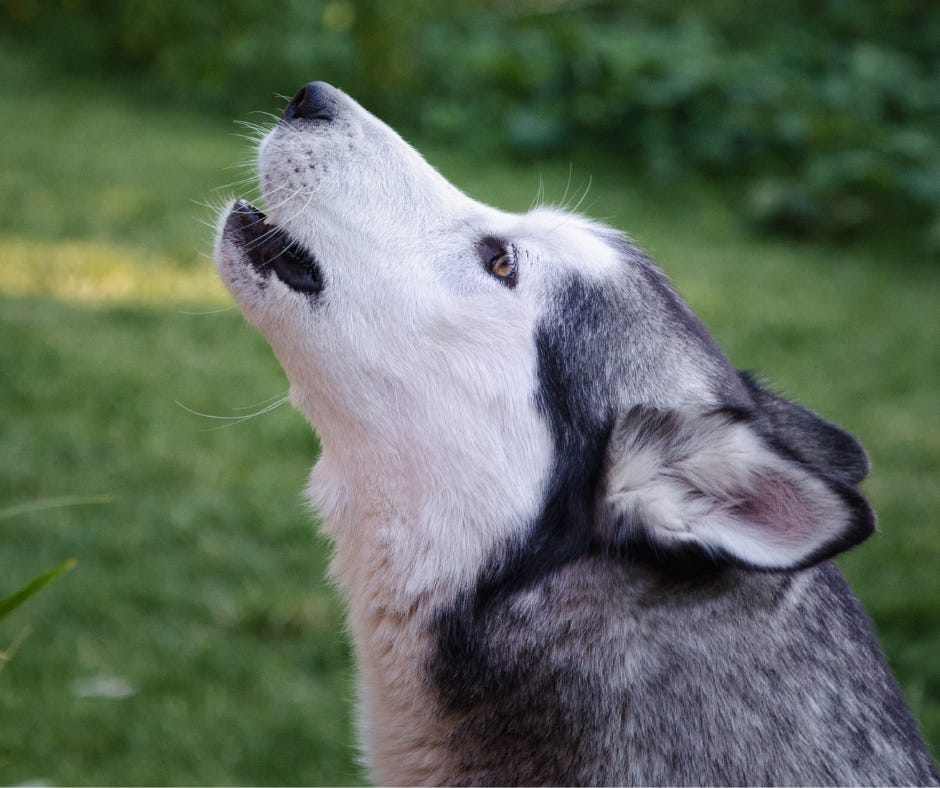
If you’ve ever heard a dog lift their head and let out a long, echoing howl, you’ll know there’s something striking almost ancient about the sound.
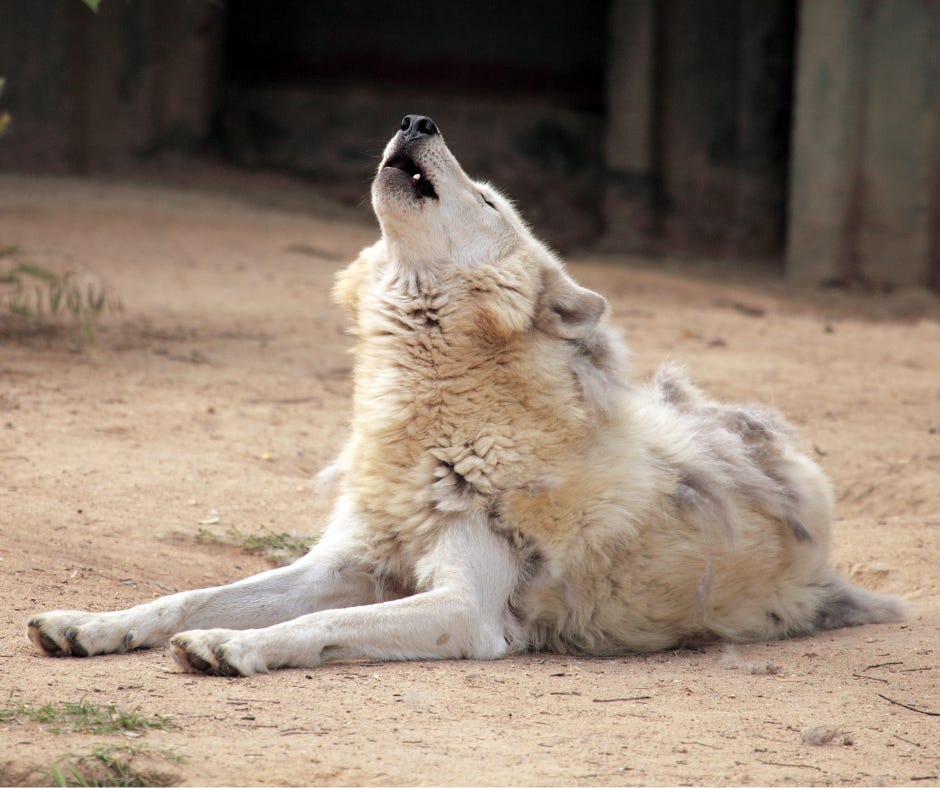
Howling is one of the oldest forms of canine communication, inherited from the wolf. But why do modern dogs, living in our homes and cities, still howl today?
Let’s explore the science, emotion, and instinct behind this fascinating behaviour.

A Natural Form of Communication
Dogs howl to communicate across distance, just as wolves do. A howl can travel far farther than a bark, making it ideal for conveying simple messages such as:
“I’m here!”
“Where are you?”
“This territory is taken.”
Some breeds like Huskies, Malamutes and Beagles are especially vocal because they are closer, behaviourally, to their ancestral roots.

Responding to Sounds
Many dogs howl in response to certain noises:
Sirens
Musical instruments
Other dogs howling
High-pitched mechanical sounds
Why? These tones fall within a frequency range that can mimic canine communication. Even if your dog isn’t distressed, the sound may naturally trigger their reply.

Expressing Emotion
Dogs may howl when they feel strong emotions. These can include:
Loneliness or separation anxiety
A dog left alone too long may howl to signal distress or to call their human back to the pack.
Excitement
Some dogs howl when they are thrilled during play, when greeting loved ones, or in anticipation of walks.
Attention-seeking
Dogs quickly learn that howling gets a reaction. If a dog is bored, they may howl simply because it works.

Medical Reasons for Howling
Howling can sometimes signal that something is wrong.
Pain or discomfort
A dog in pain whether from injury, dental problems, arthritis, or internal illness may howl as a cry for help.
Cognitive decline in older dogs
Senior dogs experiencing canine cognitive dysfunction (similar to dementia) may howl due to confusion or anxiety, particularly at night.
Hearing loss
Dogs losing their hearing may howl more because they cannot accurately judge their own vocalisations or environmental sounds.
If howling is new, excessive, or paired with other symptoms, a vet check is always recommended.
Territorial and Protective Behaviour
Dogs often howl when someone approaches the house. This is an instinctive way of alerting the household and warning strangers:
“Someone is here!”
“This place is protected!”
This is normal, though it can be gently redirected through training.
Howling as a Learned or Reinforced Habit
Dogs are clever observers. If howling results in:
treats
attention
being let outside
playtime
they may continue doing it because it pays off. Understanding reinforcement helps prevent accidental encouragement of excessive howling.
When Is Howling a Problem?
Occasional howling is perfectly natural. However, it becomes concerning when it is:
constant
linked to stress, fear, or loneliness
sudden and unexplained
disruptive to neighbours
paired with pacing, destruction, or compulsive behaviour
In such cases, behavioural support or veterinary advice can make a big difference especially for separation anxiety.
How to Reduce Excessive Howling
While the cause determines the solution, helpful guidelines include:
Ensure adequate exercise and mental stimulation
Practice alone-time training gradually
Provide enrichment (snuffle mats, puzzle toys, long-lasting chews)
Avoid reinforcing howling with instant attention
Treat underlying anxiety through positive reinforcement techniques
Seek help from a qualified behaviourist for persistent issues

A Voice Worth Listening To
Dogs don’t howl to annoy us they howl because it’s one of the most powerful tools in their communication toolkit. Understanding the why behind the howl helps us respond with empathy and insight.
When we listen carefully, we learn that howling isn’t just noise it’s a message. And like everything else our dogs try to tell us, it deserves to be heard.