
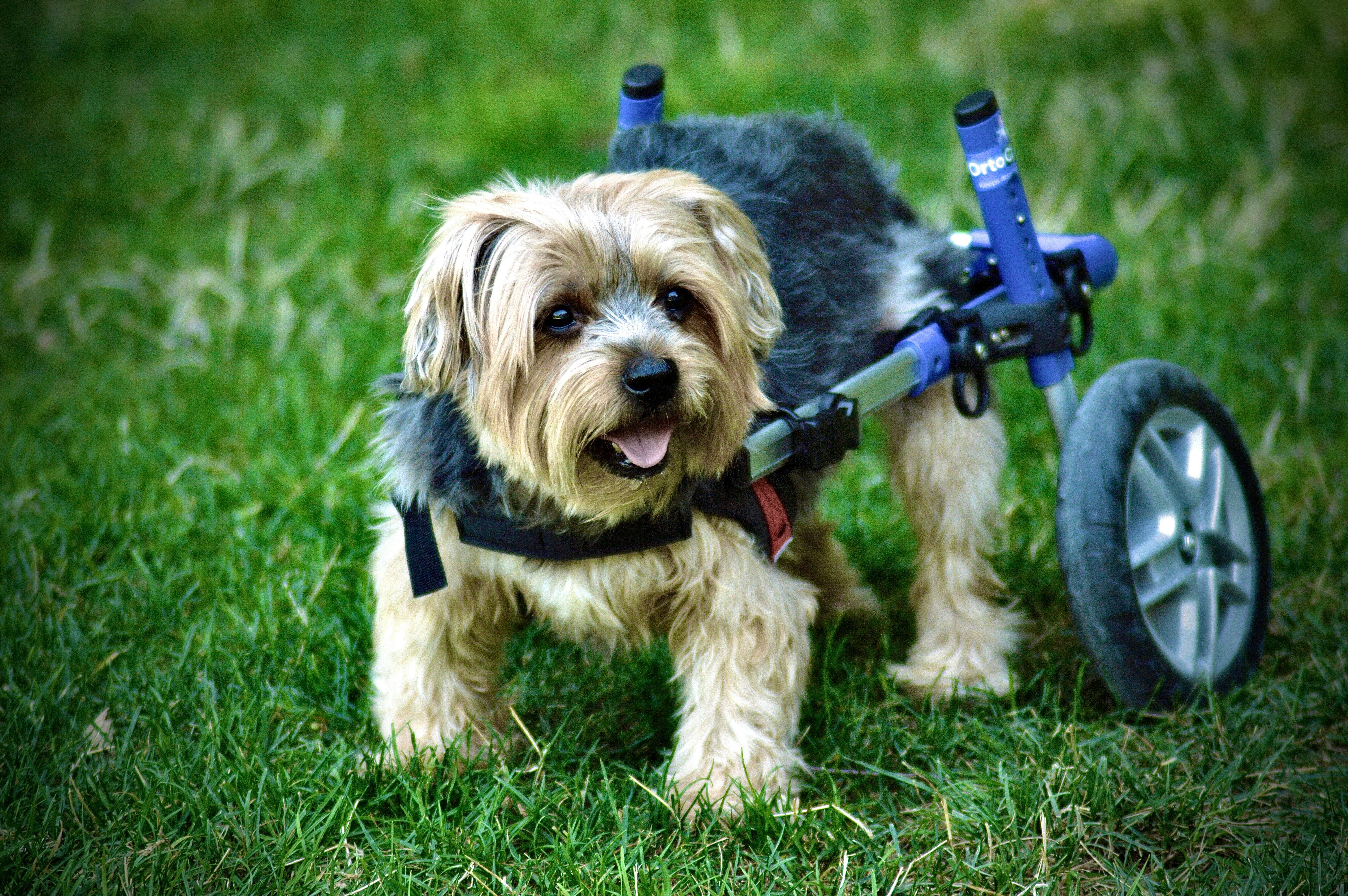
Understanding What Truly Supports Amputee Dogs Wellbeing
When a dog loses a limb or faces mobility challenges, people naturally want to provide every possible comfort. A wheelchair can seem like the obvious symbol of support but in reality, wheelchairs are specialist tools, not universal solutions. For many amputee dogs, they are unnecessary, impractical, or even restrictive.
Animal welfare organisations make careful, case-by-case decisions that prioritise what the dog actually needs not what humans assume they need based on emotion or appearance. Understanding these decisions helps protect dogs and the organisations caring for them from unwarranted criticism.
Dogs Adapt in Ways We Don’t Expect
Dogs do not interpret amputation the way humans do. They don’t mourn the missing limb or see themselves as disabled. Most tripods regain balance, confidence, and joy in daily life far faster than people anticipate.
Because humans instinctively associate wheelchairs with vulnerability, there can be a strong emotional reaction when they see a dog without one. But this reaction comes from a human perspective not from the dog’s lived reality.
Dogs don’t worry about how they look; they focus on how they feel.
Why Wheelchairs Aren’t Always Suitable for Tripod Dogs
Most amputee dogs simply do not need wheelchairs. The reasons are practical and behavioural rather than medical:
Tripods generally move more freely without wheels
They adapt quickly and prefer to navigate naturally on their three legs.
Wheelchairs limit natural behaviours
Turning, exploring, lying down comfortably, and interacting with other dogs are all more difficult in a frame.
Dogs cannot sit or lie in wheelchairs
This is particularly important. Dogs cannot rest in a cart at all, meaning they must remain standing the entire time. For this reason, no dog should spend prolonged periods in a wheelchair.
Wheelchairs are not resting devices; they are brief mobility aids.
Why Even Dogs Who Need Wheels Should Not Be in Them for Long
Extended use of a wheelchair can lead to frustration, fatigue, or discomfort. Dogs need to:
Rest
Shift positions
Lie down
Interact naturally
Move freely
A wheelchair restricts all of this. They are intended for short, purposeful periods of play & going on walks not full-time use.
How We Use Wheelchairs Within Our Organisation
To help the public understand our approach clearly:
Our amputee (tripod) dogs do not use wheelchairs at all.
They move confidently and happily on their own three legs. For them, a wheelchair would be unnecessary and intrusive.
Our hind-leg paralysis dogs use wheelchairs for playtime and walks.
These dogs sometimes benefit from the extra speed, support, and freedom a cart can offer outdoors (although they all zoom around in their drag bags!)
Even then, usage is limited to:
Enrichment
Exercise
Short outings
Never all day.
Some of these dogs prefer drag bags instead.
Drag bags protect their skin while allowing them to:
Zoom around
Chase other dogs
Play naturally
Move at their own pace indoors
Many find this far more enjoyable than being strapped into wheels.
When people see a dog in a wheelchair, they experience a strong emotional pull. It triggers compassion, concern, and the assumption that more equipment means more care. As a result, organisations may face criticism if a dog is not using a mobility aid even when that aid is unnecessary or unsuitable.
This is why education matters. A wheelchair may look caring through human eyes, but it does not automatically improve the dog’s quality of life. What matters is how the dog feels, functions, and behaves.
Protecting Dogs and Organisations from Misunderstanding
Choosing not to use a wheelchair is often the most compassionate, dog-centred decision. Organisations focus on:
What the dog prefers
How the dog moves naturally
Comfort, dignity, and freedom
Practicality in the dog’s everyday environment
Positive emotional wellbeing
These factors matter far more than human assumptions.
Wheelchairs Are Tools Not Obligations
Every dog is an individual. Some benefit from wheels for short, joyful outings; others thrive without them entirely.
What matters most is respecting the dog’s comfort and natural behaviour not the symbolism humans associate with mobility aids.
By recognising the difference between human emotion and canine reality, we can better understand the responsible, welfare-led choices organisations make every day.


