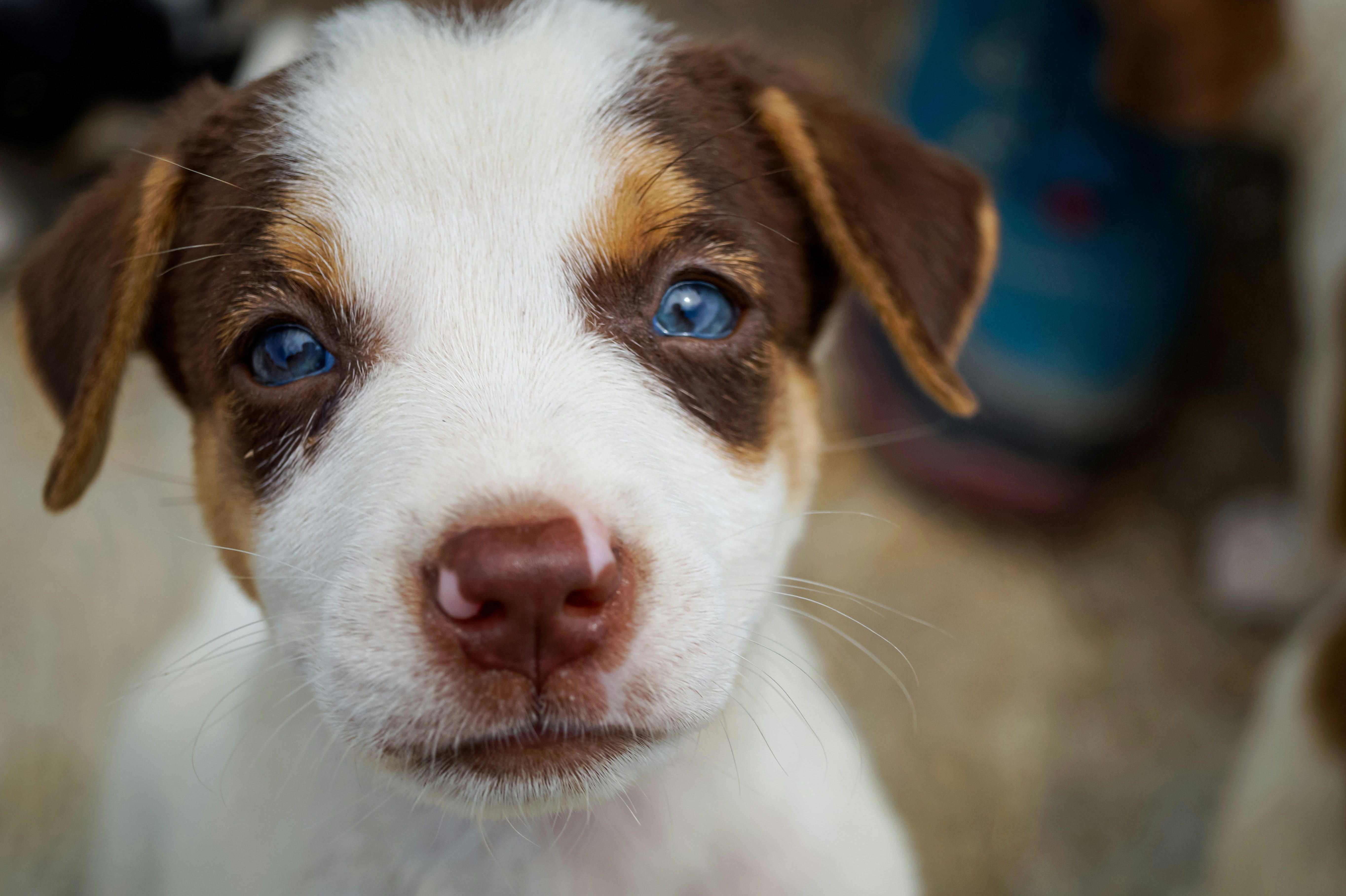
In Venezuela, stray dog suffering has not disappeared. It has simply stopped being reported as a crisis in global press.
There are no headlines, no sustained national debate, no defining moment that forces attention. Instead, the reality emerges through fragments, local organisations, scattered reports, and the visible condition of dogs on the streets.
What exists is not the absence of a problem. It is the normalisation of one.
A Growing Population With No System to Absorb It
Recent local and NGO reporting continues to confirm the scale of the issue:
Tens of thousands of dogs are living on the streets, many malnourished, injured, or diseased
Shelters and sanctuaries report constant intake and limited capacity to respond
Abandonment remains directly linked to economic pressure, food insecurity, and lack of veterinary access
This is not a temporary surge. It is a sustained condition.
Abandonment as a Structural Outcome
In many countries, stray dog populations are framed as a failure of policy.
In Venezuela, they are more accurately understood as a consequence of economic collapse.
When:
Food becomes unaffordable
Veterinary care becomes inaccessible
Families are displaced or forced to migrate
Animals are left behind. Not through indifference, but through necessity.
The result is a population of dogs that are not street-adapted by origin, but displaced from ownership and forced into survival.
A Crisis That Appears Only in Fragments
Unlike countries where stray dog issues dominate national news cycles, Venezuela’s reality is documented in a different way.
It appears through:
Local rescue updates
Community reports of injured or starving dogs
Small-scale sanctuary efforts attempting to fill the gap
Occasional alerts linked to disease or cruelty
Even positive interventions reflect the scale of the need. One organisation reported hundreds of dogs fed and rescued through ongoing programmes, a number that highlights both impact and insufficiency
This is not coordinated reporting. It is a patchwork of visibility.
The Absence of Infrastructure
What defines Venezuela’s situation is not just the number of dogs, but the lack of a system around them.
There is no consistent national framework for:
Large-scale sterilisation
Population management
Disease control at scale
Enforcement of welfare standards
Instead, the burden falls to:
Small rescue groups
Volunteers
Informal community networks
This is not a managed system under strain. It is a system that does not exist.
Early Signs of Control Without Capacity
More recent local signals suggest a shift beginning to emerge.
Plans have been reported to capture thousands of stray dogs within municipal programmes, indicating growing pressure to address visibility and population size.
This matters.
Because without infrastructure, without sterilisation, vaccination, and long-term planning, control measures rarely resolve the problem.
They displace it. Or escalate it.
A Different Stage of the Same Global Pattern
Venezuela is often viewed as separate from countries where stray dog issues are highly visible.
It is not.
It represents an earlier stage of a pattern seen globally:
Economic or structural pressure increases abandonment
Informal systems attempt to absorb the impact
Street populations stabilise at high levels
Public pressure builds
Authorities move toward control measures
At that point, outcomes depend on infrastructure. Where it is absent, the shift toward removal or worse becomes more likely.
What Venezuela Reveals
Venezuela does not present a dramatic narrative. There is no single event to respond to, no policy to challenge, no headline to amplify.
Instead, it shows something more difficult:
A crisis that continues without interruption, without resolution, and without visibility.
Dogs are still there. Still hungry. Still breeding. Still getting sick.
Still being rescued one at a time by people who do not have the resources to solve the problem at scale.
Closing Reflection
When suffering is constant, it stops being reported. When it stops being reported, it becomes easier to ignore.
Venezuela’s stray dog crisis has not ended. It has simply become part of the background. And that may be the most dangerous stage of all.
At Dog Desk Animal Action, we believe that visibility matters because the moment suffering fades from view is the moment it becomes easiest to accept.


