
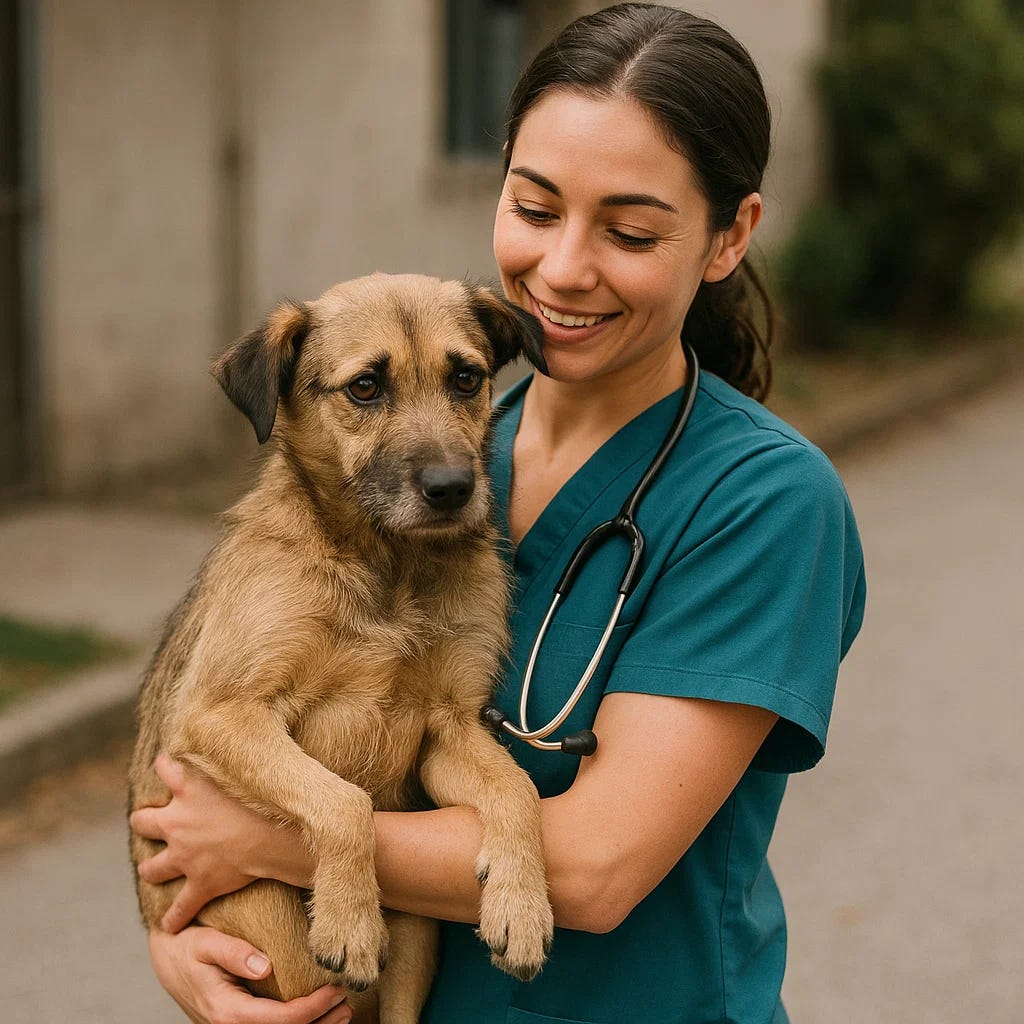
Veterinary Medicine, Auxiliary Staff, and Animal Welfare in Turkey: A Double-Edged Framework
In Turkey, the practice of veterinary medicine is generally limited to licensed veterinarians under the Law on Veterinary Services, Plant Health, Food and Feed (Law No. 5996). This restriction exists for good reason: animals deserve safe, professional, and competent medical care.
Yet, within this law lies an important—but sometimes controversial—provision. Article 14(3) allows auxiliary health staff (such as trained veterinary assistants or technicians) to apply veterinary medicinal products, including biological products. While this is designed to function under veterinary supervision, in practice it creates a grey area in animal healthcare, particularly in shelters and municipal programs where full veterinary resources are lacking.
The Positive Intention
The inclusion of auxiliary staff was meant to help fill gaps in resource-limited environments. With millions of stray animals requiring sterilization, vaccination, and treatment, the system acknowledges that veterinarians alone cannot meet demand. When applied responsibly, auxiliary staff can provide supportive care, basic treatments, and emergency interventions, extending the reach of animal welfare services.
This flexibility aligns with the Animal Protection Law (Law No. 5199), which mandates municipalities and voluntary organizations to provide care for ownerless animals. For example, Article 6 requires sterilization, vaccination, and treatment before strays are released back onto the streets. Without auxiliary staff, many municipalities would struggle to meet even these minimum obligations.
Where Risks Arise
However, the very same flexibility can be exploited. Areas of concern include:
Weak Supervision: The law assumes veterinary oversight, but in reality, many municipal shelters lack adequate numbers of veterinarians. Auxiliary staff may end up working beyond their training, making decisions or performing procedures that should be strictly veterinary tasks.
Cost-Cutting by Authorities: Municipalities under financial pressure may rely excessively on auxiliaries instead of hiring qualified veterinarians, prioritizing budgets over welfare standards.
Variable Training: The level of training for auxiliary staff can differ widely, leading to inconsistent standards of care. Without strong regulation, this inconsistency puts animals at risk.
Enforcement Gaps: While the law prohibits non-medical interventions without veterinary approval (Article 8 of Law No. 5199), weak enforcement can allow harmful practices to go unchecked, especially in under-resourced regions.
The Role of NGOs and Advocates
Animal welfare organizations and NGOs play a vital role in monitoring how these provisions are applied.
Collaboration with veterinarians and auxiliaries can improve outcomes, but independent oversight is essential to ensure that cost-cutting or poor training does not compromise animal health.
Advocates must also push for transparency: municipalities should be held accountable for ensuring veterinarians are present, rather than masking shortages with auxiliaries.
A Balancing Act
Turkey’s legal framework for veterinary medicine strikes a balance between professional responsibility and practical necessity. The involvement of auxiliary staff can be a lifeline for stray populations, but it is also a potential loophole that, if abused, risks normalizing substandard care.
For the system to truly serve animal welfare, two safeguards are essential:
Stronger enforcement of veterinary oversight.
Improved training and regulation for auxiliary staff.
Only with these protections in place can the framework achieve its intended purpose, extending veterinary care to the millions of animals in need without compromising standards or opening the door to exploitation.
Safeguarding the System
In the end, Turkey’s animal welfare system relies on a delicate partnership between veterinarians, auxiliary staff, municipalities, and voluntary organizations.
When each role is respected and properly regulated, the framework can expand access to vital treatments for stray animals who might otherwise go without care.
But without vigilance, the same provisions risk being exploited, reducing veterinary presence, lowering standards, and leaving vulnerable animals at risk.
The challenge now is to ensure that flexibility never becomes a shortcut, and that every animal receives the safe, professional, and compassionate care the law was intended to guarantee.


