

Video From Elmalı Shows Municipal Workers Removing a Dog From a Private Garden

A video shared on social media has brought renewed attention to the way municipalities intervene in situations involving owned and stray animals in Turkey.
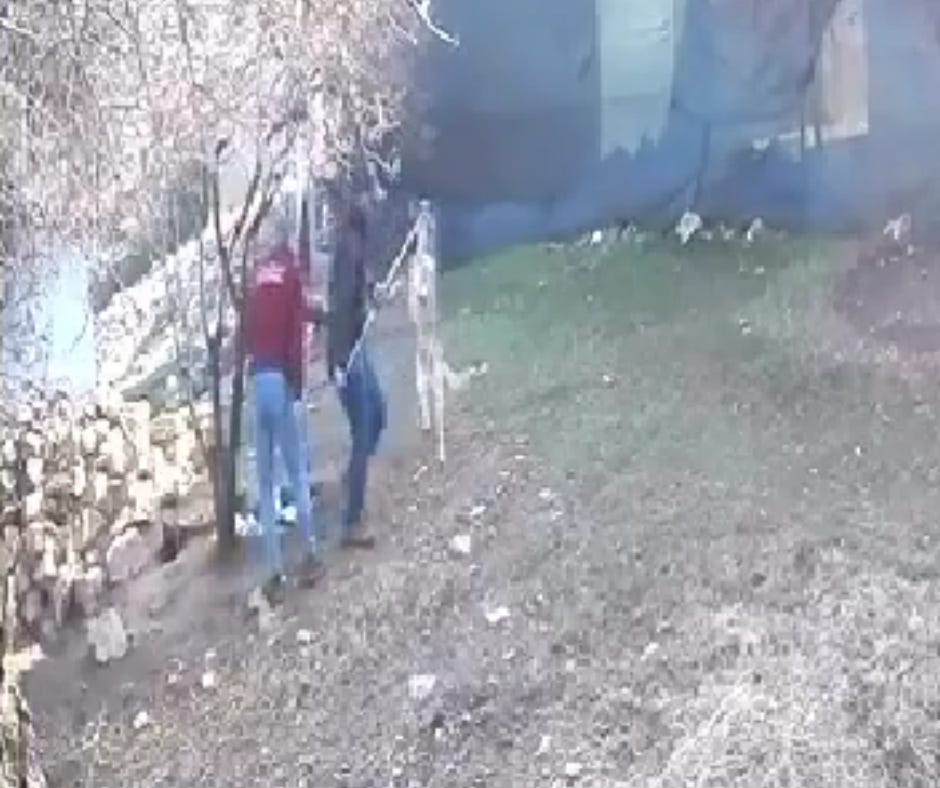
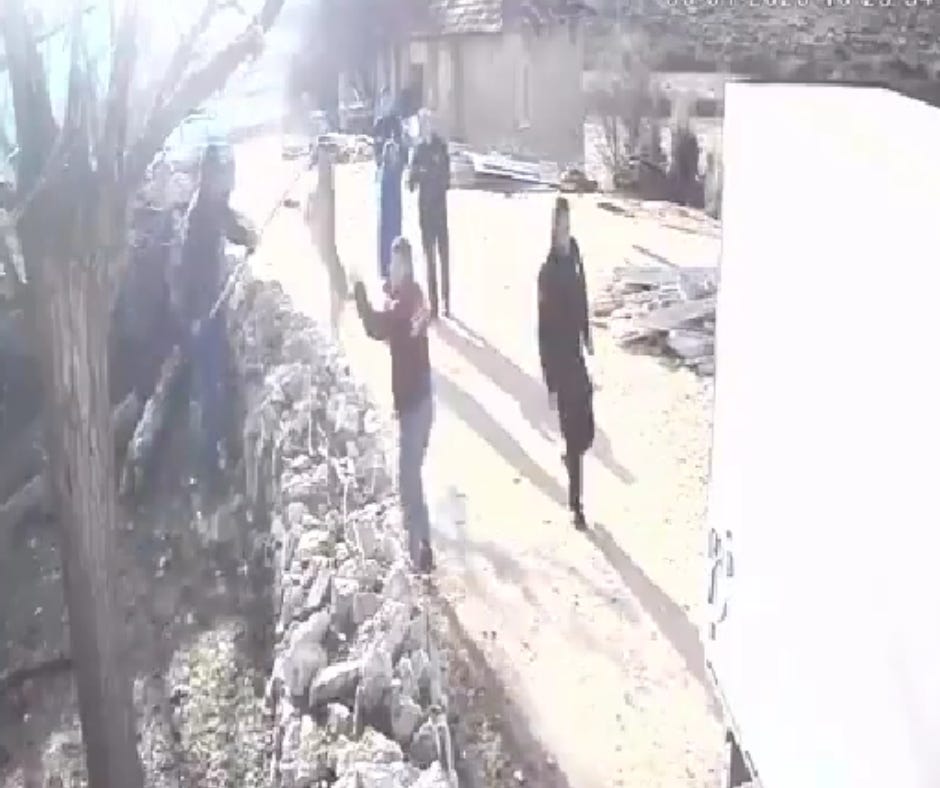
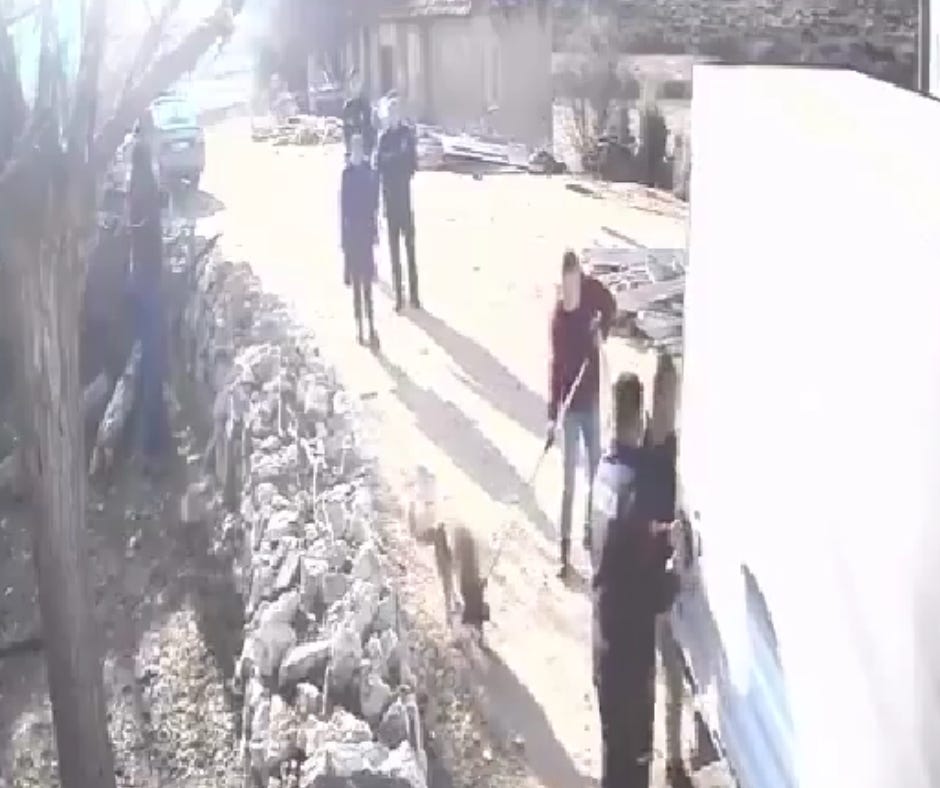
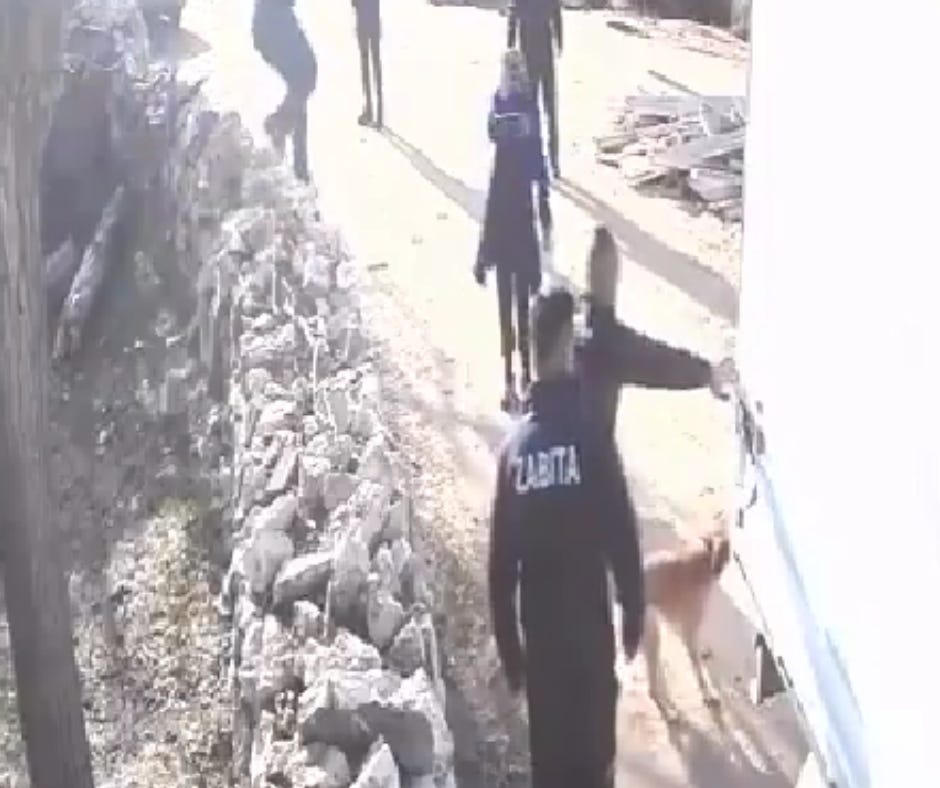
The footage, filmed by local residents in Elmalı, Antalya, shows municipal workers entering a private garden, removing the dog with a catchpole & removing him a most brutal manner.
Citizen Footage as Primary Evidence
At this stage, the clearest documentation of the incident comes from citizen video and eyewitness accounts shared on social media. In many animal welfare cases, such recordings are the first and sometimes only form of evidence available, and they play a crucial role in ensuring transparency and accountability.
The video indicates:
Entry onto private property
The removal of a restrained dog
Handling that is cruel, distressing & harmful for the dog
These are observable facts from the footage itself, regardless of later official explanations.
Unanswered Questions
What remains unclear and what authorities have not yet publicly clarified includes:
On what legal basis the property was entered
Whether a formal complaint or court order existed
Where the dog was taken
What the dogs current condition is
Whether the owner was informed or present
Until official documentation is released, the visual record and the testimony of those who filmed it remain central sources of information.
Why Citizen Documentation Matters
Across Turkey, countless cases of animal removal, abuse, and neglect only become known because ordinary people record what they witness. Without phones, social media, and local activists:
Many dogs would disappear without trace
Many interventions would go unquestioned
Many municipalities would never be held to account
Citizen reporting is not rumour it is often the starting point of justice.
Awaiting Official Response
As of now, there has been no detailed public statement from Elmalı Municipality addressing:
The legal justification
The welfare outcome for the dog
Whether protocols were followed
When such statements are issued, they should be assessed alongside not in place of the visual and eyewitness evidence already in the public domain.