I have been thinking a great deal about the way animal welfare uses social media and, more importantly, what happens to the person sitting on the other side of the screen. Social media has given animal welfare an extraordinary ability to reach people. It can expose something that might otherwise have remained hidden, find a dog a home, raise money for treatment, put pressure on decision-makers and introduce thousands of people to an issue they previously knew nothing about. We use it for all of those reasons and we will continue to use it, but there is another side to it that I think we need to talk about.
Social media rewards emotion, and particularly strong emotion. Rage travels. Horror travels. Shock travels. The things that make us angry or distressed are often the things that make us stop, watch, comment and share. In animal welfare there is an almost limitless supply of material capable of producing those reactions, because terrible things really are happening to animals every day. There are dogs starving, dogs being abused, dogs living in appalling conditions and dogs being failed by systems that are supposed to protect them. Some of those things need to be seen and some absolutely need to be exposed, but the fact that suffering performs well on social media should make those of us publishing it think carefully about how we use it.
Recently somebody told me that she had watched a particularly distressing piece of animal welfare content and had been so affected by it that afterwards she felt guilty because she had eaten that day & the dogs in the content were starving. I couldn’t stop thinking about that. A woman sitting at home eating a meal isn’t responsible for the fact that somewhere else a dog is starving. Making her experience that dog’s suffering so intensely that she feels guilty for eating doesn’t put food in the dog’s bowl. It doesn’t change the policy that failed the dog, improve the shelter it is living in, pay for veterinary treatment or hold anybody responsible to account. All that has happened is that some of the suffering has travelled from the dog on the screen to the person watching it.
We don’t need people to suffer with the dogs in order to care about them.
There is a difference between informing somebody and overwhelming them. There is a difference between creating urgency and creating helplessness. There is also a difference between publishing something because people genuinely need to know about it and publishing it because we know it will produce a powerful reaction. Social media algorithms may not recognise those distinctions, but animal welfare organisations should.
Those of us working in animal welfare also know what constant exposure to suffering feels like. We see far more than we ever publish. We receive photographs and videos, read reports, investigate claims, speak to people dealing with situations on the ground and follow individual dogs through circumstances that can be incredibly difficult. You finish looking at one case and another arrives. Then another. There is always another dog somewhere in trouble and, once you start looking internationally, the scale of it can feel almost impossible to comprehend.
There is only so much suffering a person can absorb. That applies to rescuers, advocates and campaigners, but it also applies to the people who follow us. If every encounter somebody has with animal welfare brings another starving dog, another injured dog, another terrible shelter, another horrifying video and another reason to be angry, eventually some people will protect themselves in the most understandable way possible. They will look away. That doesn’t necessarily mean they stopped caring. It may simply mean that caring became too painful.
I don’t want Dog Desk Animal Action to contribute unnecessarily to that.
That doesn’t mean difficult subjects are disappearing from our social media. They aren’t. We will continue investigating, challenging decisions, examining evidence and asking uncomfortable questions. My policy work will continue to widen. Our news bulletins will return. We will continue following what is happening to dogs internationally and, when something needs exposing, we will expose it. There will be times when the things we publish are upsetting because sometimes it is impossible to tell the truth about what is happening without it being upsetting.
But suffering doesn’t have to occupy every inch of the room.
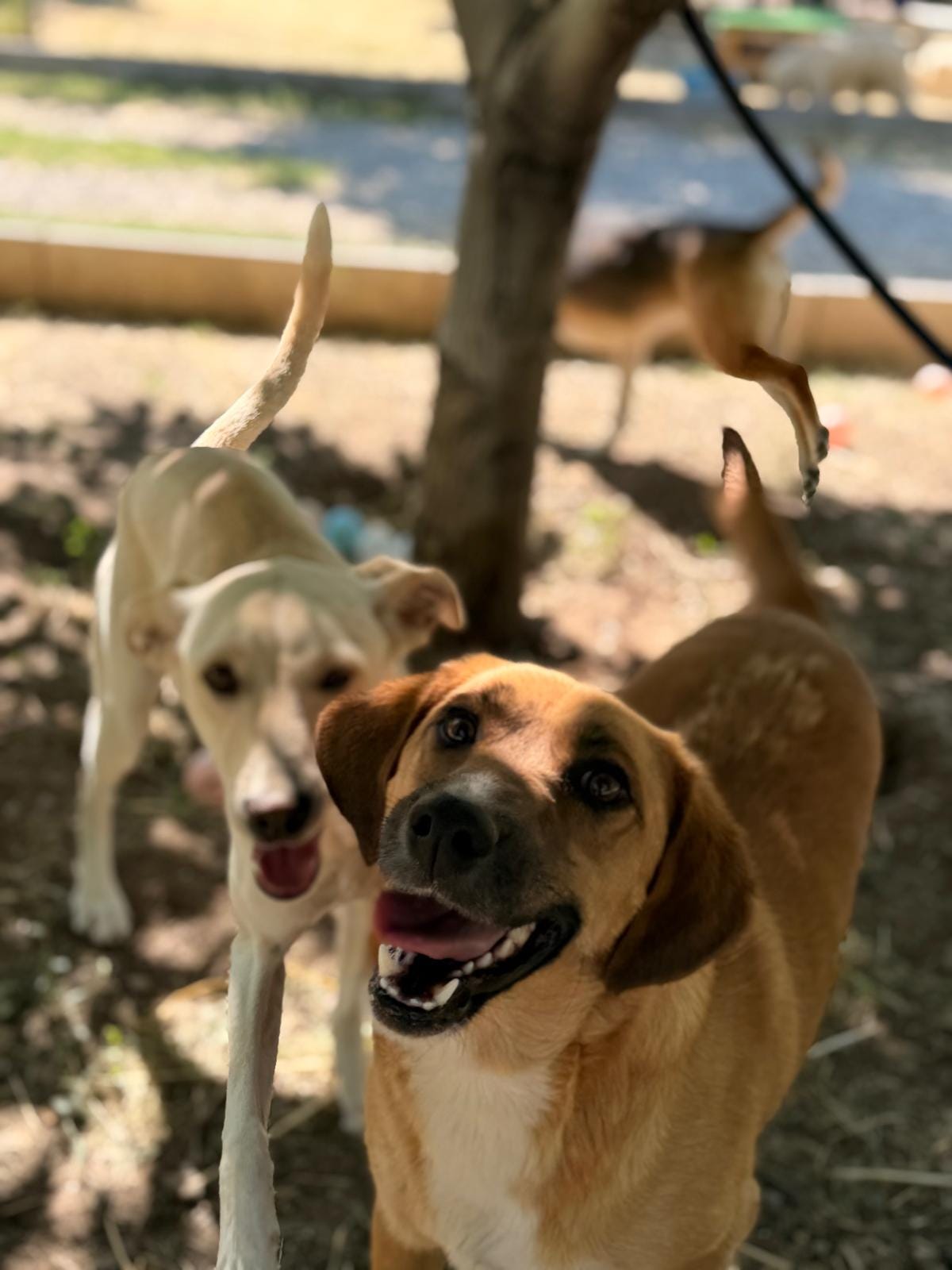
Our Ankara dogs are part of animal welfare too. So are the dogs receiving treatment through our public facing veterinary work and the dogs being cared for within communities. So is the dog who was frightened last month and is playing today. So is the dog who finally gained weight, the successful treatment, the adoption, the person quietly filling bowls every morning and the completely ridiculous thing one of our dogs did that made everybody laugh.
Those things aren’t frivolous distractions from the serious work. They are the reason for it.
We also need to be careful about allowing social media to teach us what successful animal advocacy looks like. Something receiving thousands of shares doesn’t necessarily mean anything changed for a dog. Some of the most important work can be remarkably uninteresting to an algorithm. A letter to an authority, months spent following a policy, checking evidence before publishing a claim, a conversation that cannot be made public, paying a veterinary bill or quietly helping somebody continue caring for community dogs may achieve far more than the post that generated thousands of angry comments.
Rage is very visible, impact often isn’t.
When Dog Desk Animal Action returns properly on 1 September, there will still be lots of dogs. Our Ankara dogs will still be here, our public facing patients and community work will still be here, the news will be back and the policy work will continue and grow. We aren’t abandoning social media and we aren’t planning to become quieter. We are simply going to use the space a little differently. It will feel gentler.
There will be more room for recovery, progress and ordinary life. More room for people doing good things. More room for dogs who are already safe rather than only dogs who desperately need to be saved. More room for information that doesn’t require somebody to become furious before it deserves their attention, and more room for the things that remind us why we started caring about animals in the first place.
There will also be less room for hostility. Not every provocation requires an answer and not everybody who arrives looking for an argument needs to be given one. Energy spent fighting endlessly on social media is energy that could be spent somewhere considerably more useful.
None of this means looking away from suffering. It means refusing to believe that suffering is the only way to make people care.
We can investigate without becoming consumed by what we investigate. We can challenge without living permanently in a state of outrage. We can expose suffering without turning suffering into content simply because suffering performs well.
We can be serious and still leave room for joy. And perhaps most importantly, we can remember that our job isn’t to make people feel bad enough to prove that they care about dogs. It is to keep them caring long enough to help us change things.


