

What Happens When Municipal Shelters Lock Out the Charitable Orgs That Supported Them

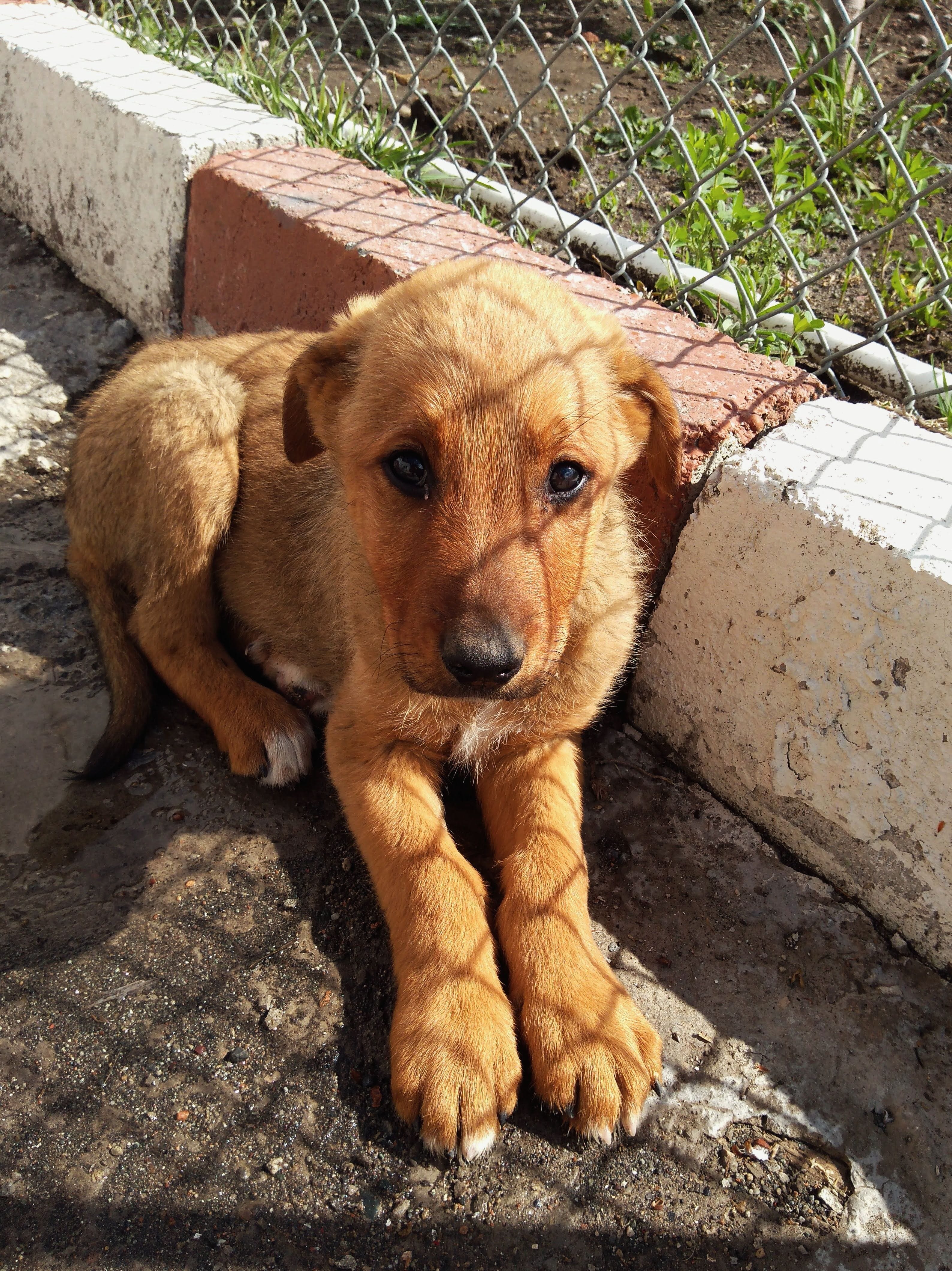
For years, charitable organisations, volunteers and international supporters have invested time, expertise and significant financial resources into improving the lives of dogs housed in municipal shelters across Türkiye.
Support has taken many forms. Donations have funded food, medicines, disease prevention, veterinary treatment, equipment, shelter improvements, enrichment and the countless practical tasks that improve the daily welfare of dogs. Charitable orgs have assisted with treatments, food & other vital needs. These efforts have been sustained not by public funding, but by people around the world who wanted to help homeless animals.
There is nothing wrong with this arrangement, when a municipality lacks funding to care for the animals it is obligated to house working with an NGO is a sensible decision to make. And one that is needed now more than ever due to the huge increase in numbers arriving through the shelter gates.
In one documented case, an independent animal welfare organisation spent approximately a decade working alongside a municipal shelter. During that time it raised international donations to support food, veterinary care, medicines, shelter improvements and the everyday welfare of the dogs in its care. Supporters from around the world contributed because they believed their donations would improve the lives of those animals. This case is not an isolated one & it is something that we greatly encourage for the sake of the dogs.
But in Didem that long standing relationship has now ended. The organisation has been denied access to the shelter. The immediate question is not why the relationship broke down. That is a matter for those directly involved. The wider public interest question is far more significant.
What has replaced the support that organisation was providing?
If charitable donations were purchasing food, medicines, equipment and other welfare essentials, who now provides them? If volunteers were carrying out practical welfare work, who has assumed those responsibilities? If independent organisations are no longer present inside shelters, how is welfare monitored by those outside the municipal system?
These are not rhetorical questions. They are questions of accountability.
The timing also matters. Access has reportedly been restricted during a period when municipalities are accommodating far greater numbers of dogs following implementation of the Slaughter Law. Larger shelter populations inevitably place greater demands on food, staffing, veterinary treatment, disease control and kennel management. If charitable support is reduced or removed while demand increases, it is reasonable to ask how those additional pressures are being managed.
This investigation is not about suggesting that municipalities should rely upon charities to fulfil their legal responsibilities. Municipal animal welfare is a public responsibility. Equally, there is nothing improper about NGO’s choosing to enhance welfare through donations, expertise and volunteer support. The question is whether charitable organisations have, over many years, become an important part of the welfare system within some municipal shelters, and what the consequences are when that partnership ends.
The answers matter not only to the dogs inside those shelters, but also to the thousands of people around the world whose donations helped fund their care. Supporters deserve to know what has changed and whether the standards they helped to create have been maintained.
As shelter doors close to independent organisations, transparency becomes more important, not less. Because when independent observers can no longer enter, the questions do not disappear. They become even more necessary.
Dog Desk Animal Action will continue to monitor developments in Didem through our network of Turkish animal advocates and local contacts. Our interest is not in assigning blame, but in understanding how the welfare of dogs is being safeguarded following the withdrawal of long standing charitable support. We sincerely hope that every dog within the municipality’s care continues to receive the same standard of food, veterinary attention and day to day welfare that existed when international charities and donors were working alongside the municipal shelter. The dogs remain at the heart of this story, and their welfare will continue to be the only measure of success.