
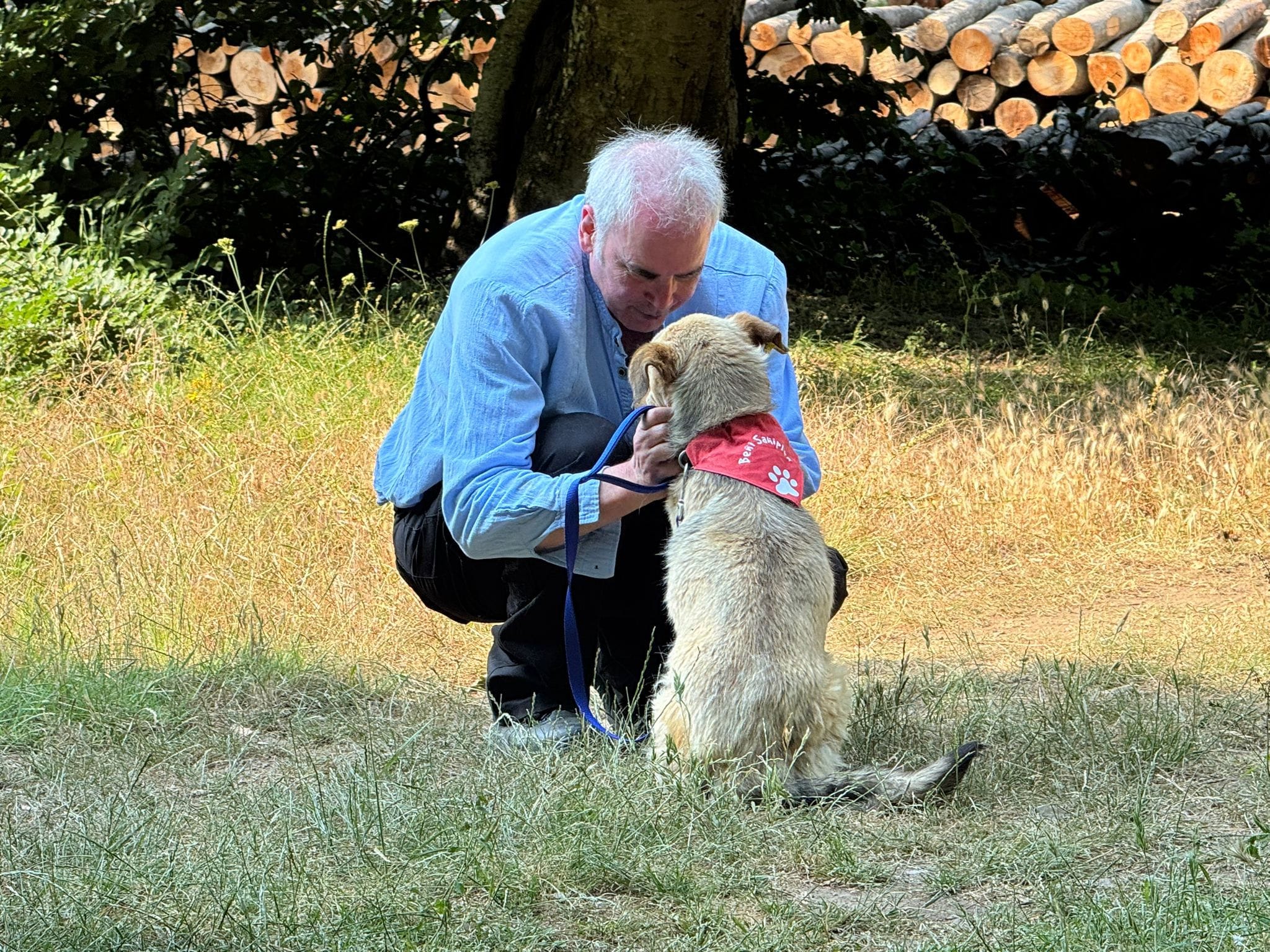
Animal welfare is often measured through numbers. We count how many dogs were rescued, how many were sterilised, how many received treatment, how many found homes and how many passed through shelters. These figures are important because they help us understand the scale of the work being undertaken, but they can also create the impression that bigger numbers automatically mean greater success.
The reality is often more complicated than that.
When people think about animal welfare, they naturally focus on visible interventions. A dog rescued from the street, a patient recovering after surgery or a shelter full of animals waiting for homes provides tangible evidence that something is being done. These stories matter because they represent individual lives that have been changed for the better. Every dog helped is a worthwhile outcome in its own right.
The difficulty comes when we try to determine whether these interventions are actually reducing the problems that created the need for rescue in the first place. A shelter that rescues a thousand dogs every year may appear highly successful, but if it is rescuing the same number year after year because abandonment, uncontrolled breeding and poor access to veterinary care remain unchanged, it becomes reasonable to ask whether the wider situation is improving at all.
By contrast, a programme that sees fewer dogs entering shelters each year may attract far less attention. There may be fewer dramatic rescue stories, fewer emergency appeals and fewer opportunities to showcase life saving interventions. On the surface, it may even appear less active than organisations dealing with constant crisis. Yet a reduction in dogs needing rescue can be one of the strongest indicators that meaningful progress is taking place.
If more dogs are being sterilised before they can produce unwanted litters, if vaccination programmes are improving animal health, if owners are receiving support that enables them to keep their animals, or if communities are developing more positive relationships with local dog populations, the need for rescue may gradually decline. These achievements rarely generate the same emotional response as an emergency case, but they often represent deeper and more sustainable change.
One of the challenges facing the animal welfare sector is that prevention is inherently less visible than intervention. People notice the dog that was saved from suffering. They do not notice the dog that was never abandoned. They notice the overcrowded shelter struggling to cope with demand. They do not see the families who received support before reaching a point of crisis. They notice the puppies that arrive needing help. They do not see the litters that were never born because effective sterilisation programmes were already in place.
This is why organisations, researchers and policymakers are increasingly looking beyond simple activity measures and asking more complex questions about impact. Instead of focusing solely on how many dogs were rescued, they are examining whether fewer dogs required rescue. Instead of counting how many animals entered shelters, they are considering whether conditions exist that reduce the need for shelter spaces altogether. The emphasis is shifting from measuring outputs to understanding outcomes.
This approach is particularly relevant when discussing free-roaming dog populations. For many years, programmes have often been judged by the number of dogs collected, sterilised or housed. While these figures provide useful information, they do not necessarily tell us whether animal welfare has improved, whether communities feel safer, whether disease has been reduced or whether long-term solutions are being achieved. Increasingly, there is recognition that successful programmes must be evaluated through a broader lens that considers both animal welfare and community wellbeing.
None of this diminishes the importance of rescue work. There will always be animals who need urgent medical care, sanctuary, rehabilitation and protection. Rescue remains an essential part of animal welfare, and every organisation working on the frontline understands its value. However, rescue addresses suffering after it has occurred, while prevention seeks to reduce the likelihood of that suffering occurring in the first place. Both are necessary, but they serve different purposes.
As animal welfare continues to evolve, perhaps the most important question is not how many dogs we rescued this year, but whether we are creating conditions that result in fewer dogs needing rescue in the future. If the answer is yes, then the most successful animal welfare programme may not be the one rescuing the most dogs. It may be the one quietly building a future where far fewer dogs need saving at all.


