
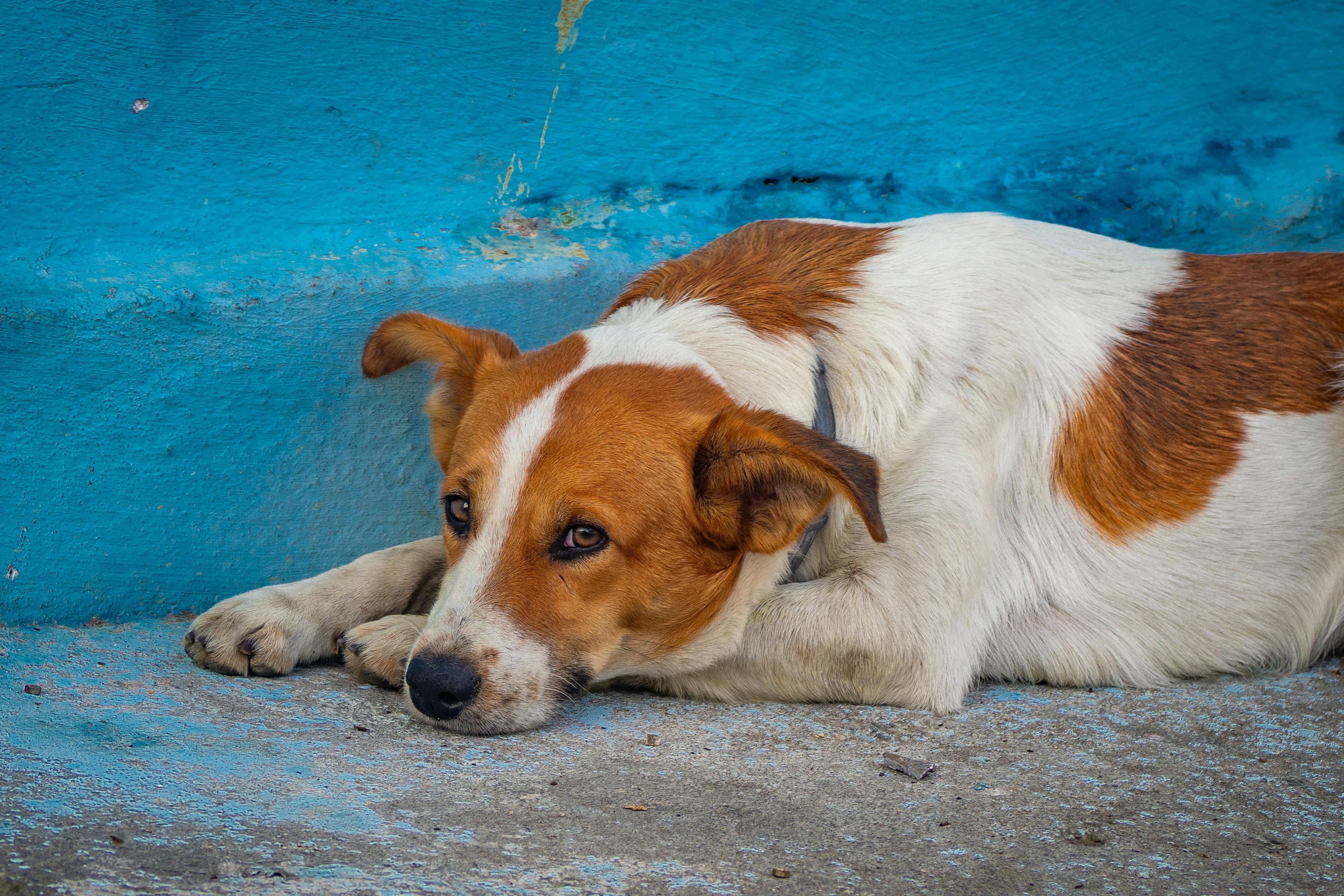
What Is Happening to Morocco’s Stray Dogs
A country preparing for the world and removing what it does not want seen
Morocco is preparing to co-host the 2030 FIFA World Cup. With that comes global visibility, scrutiny, and expectation.
But alongside stadium plans and infrastructure upgrades, another reality has emerged, one that is far less visible, but far more urgent.
Across Morocco, stray dogs are at the centre of a growing and deeply contested crisis. Animal welfare organisations, campaign groups, and on-the-ground reports are all pointing in the same direction:
Dogs are being removed from the streets, not through structured, humane systems but through methods that raise serious ethical and legal concerns.
Reports describe shootings, poisonings, and mass round-ups in multiple cities.
The justification is familiar.
Public health. Tourism. Safety.
The scale of the issue and the narrative being contested
Morocco is estimated to have millions of free-roaming dogs. That reality is not new.
What appears to have changed is urgency.
Campaigners warn that hundreds of thousands of dogs were already being killed annually, with fears this could escalate significantly ahead of the World Cup.
Some claims go further suggesting millions of dogs could be at risk.
At the same time, Moroccan authorities deny the existence of any mass cull, stating that humane strategies are in place and that reports are exaggerated or misrepresented.
This is where the issue becomes difficult and important. Because both narratives now exist side by side:
Official policy says humane management
Footage and testimony suggest continued killing
And the truth, as is often the case, may sit in the gap between national policy and local enforcement.
The policy contradiction at the heart of this
Morocco has, on paper, already adopted a humane approach.
The Trap–Neuter–Vaccinate–Return (TNVR) model has been promoted as the official strategy, a method widely recognised as effective and ethical.
There are also proposals for stronger animal welfare laws, including penalties for harming stray dogs.
But at the same time:
Reports of poisoning and shooting continue
Localised killings are still being documented
A proposed law has included provisions that could criminalise feeding or helping stray animals
That last point matters more than anything. Because when you remove both:
structured state care
and informal community care
you do not manage a population, you abandon it.
What is actually driving this?
Strip away the language, and three forces sit underneath this situation:
1. Image management
Global events bring pressure to present cities as clean, safe, and controlled.
Stray animals do not fit that image.
2. Public health concerns
Rabies and dog bites are real issues.
But mass killing has never been an effective long-term solution.
3. Legal ambiguity
Even officials acknowledge gaps, some areas operate under modern frameworks, others still rely on outdated practices.
This creates inconsistency. And inconsistency is where suffering happens.
Why this matters beyond Morocco
This is not just about one country.
It is about a recurring global pattern:
A major event approaches
Pressure increases
Animals disappear
We have seen versions of this before in different countries, under different circumstances. And each time, the same argument is made:
“This is necessary.”
But humane alternatives exist. And they are not theoretical. They are already recognised and proven.
The real solution — and the real failure
The solution is not complicated:
Mass sterilisation
Vaccination programmes
Community-supported care
Transparent, accountable enforcement
Morocco already has elements of this framework. The failure is not the absence of knowledge. It is the failure to consistently apply it.
Because killing is faster, easier to hide and politically quieter.
Until it isn’t.
Where responsibility now sits
Responsibility no longer sits only with local authorities. It now sits with:
International governing bodies
Event organisers
Global partners
And the wider public watching this unfold
Because once a country steps onto the world stage, its internal decisions are no longer invisible.
By the time the 2030 FIFA World Cup begins, the streets will look different.
Cleaner. Quieter. Easier to present. The question is: why?
Because if that transformation has been achieved through the disappearance of thousands of dogs, then this is not progress. It is concealment.
And every organisation, sponsor, broadcaster, and governing body that chooses not to confront it will share responsibility for what made that image possible.
Not later. Not in hindsight. Now.


