


Troubling reports emerged from the rural area of Batıkent Kırsalı (in Yenimahalle, Ankara) alleging that local municipal teams gathered very young puppies around two months old and administered anaesthetic or sedative injections. These reports raise serious concerns about veterinary oversight, animal welfare, and legal compliance under Turkey’s animal-protection legislation.
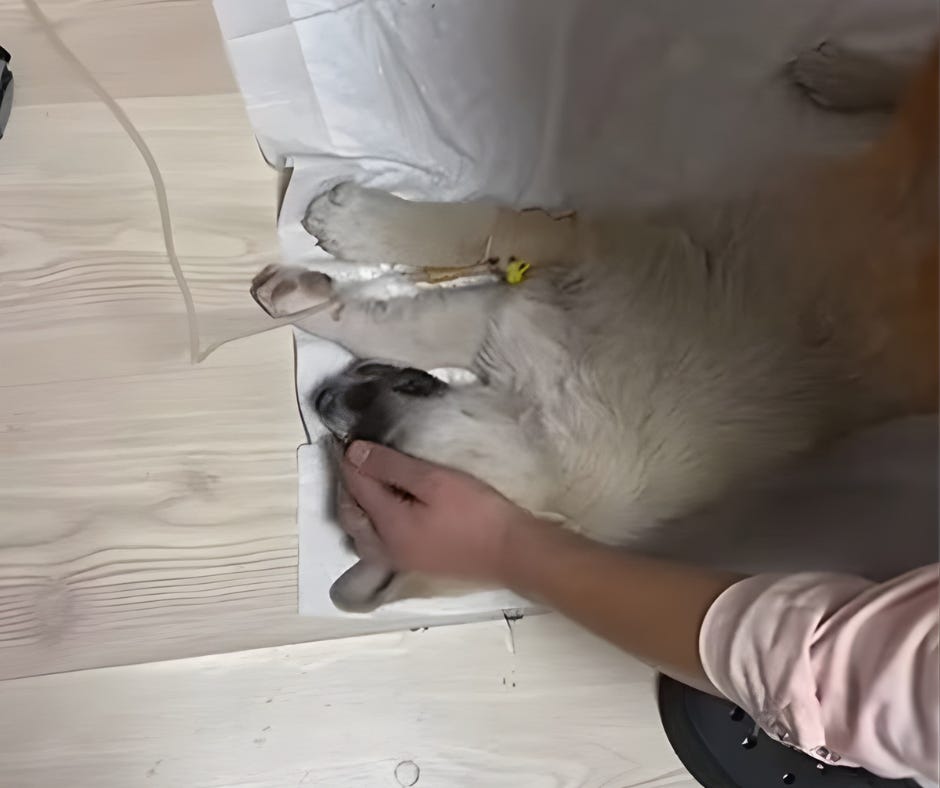
What Has Been Reported
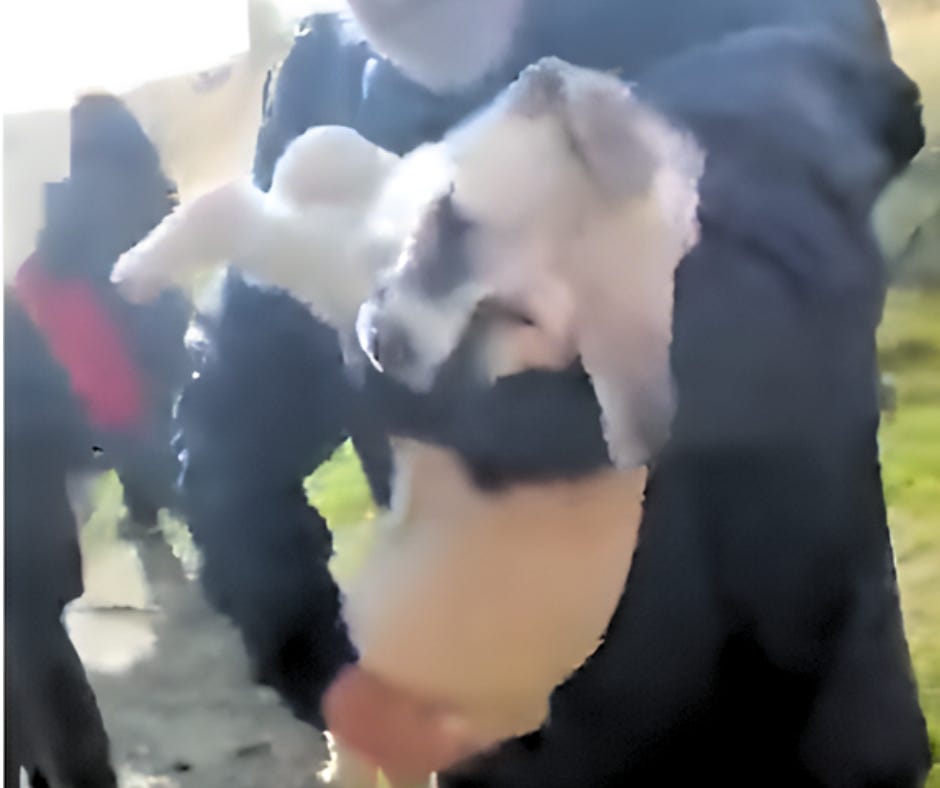
Puppies roughly two months old were reportedly collected in the Batıkent rural zone and given injections labelled anaesthetic or drug sedation.
The collection was said to involve municipal staff or municipal-contracted teams, acting in the name of local stray-animal control.
The reports claim that the injections were used to catch or transport the puppies, rather than for clear medical treatment.
Furthermore, concerns were voiced that this practice disregards the legal protections for young and vulnerable animals.
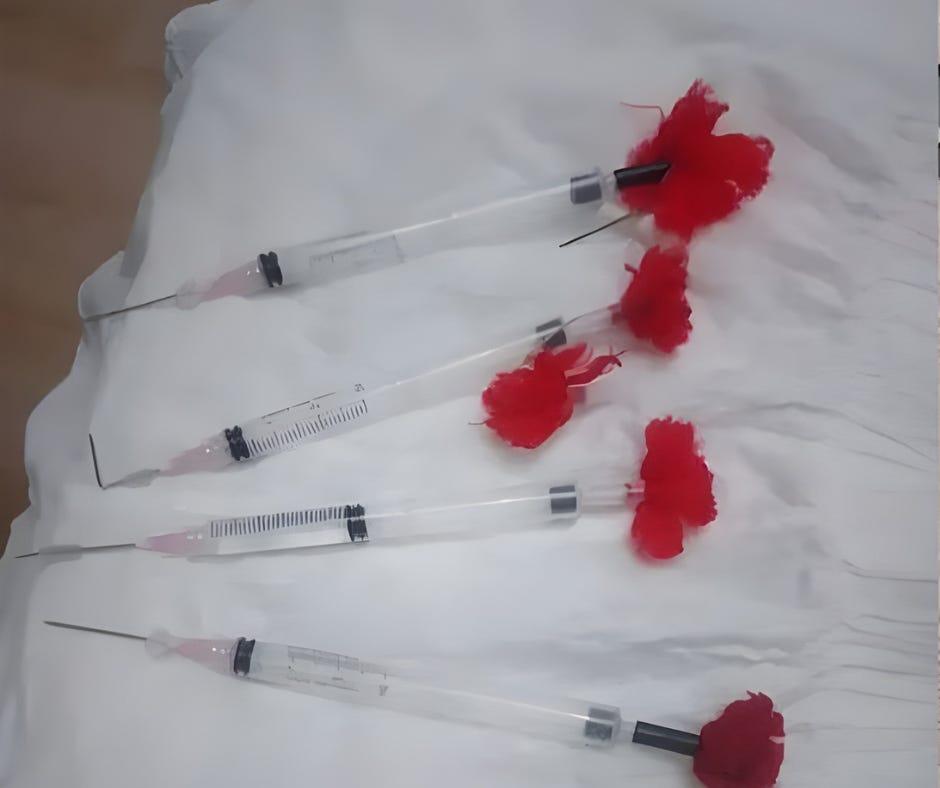
Under the 5199 Sayılı Hayvanları Koruma Kanunu (Animal Protection Law), the purpose includes ensuring that animals are treated with proper care, that they are protected from suffering, and that interventions are only carried out in accordance with veterinary supervision.
Key points:
Article 1: Purpose of the law is to safeguard animal welfare, prevent suffering, ensure appropriate treatment.
Article 7: Medical and surgical interventions must be carried out by a veterinarian.
Animals should not undergo interventions that inflict pain, harm, or are not justified by veterinary need.
The practice of administering anaesthetic injections to such young puppies might constitute a serious breach of the law especially if the intervention lacked appropriate veterinary justification, records, and informed oversight.
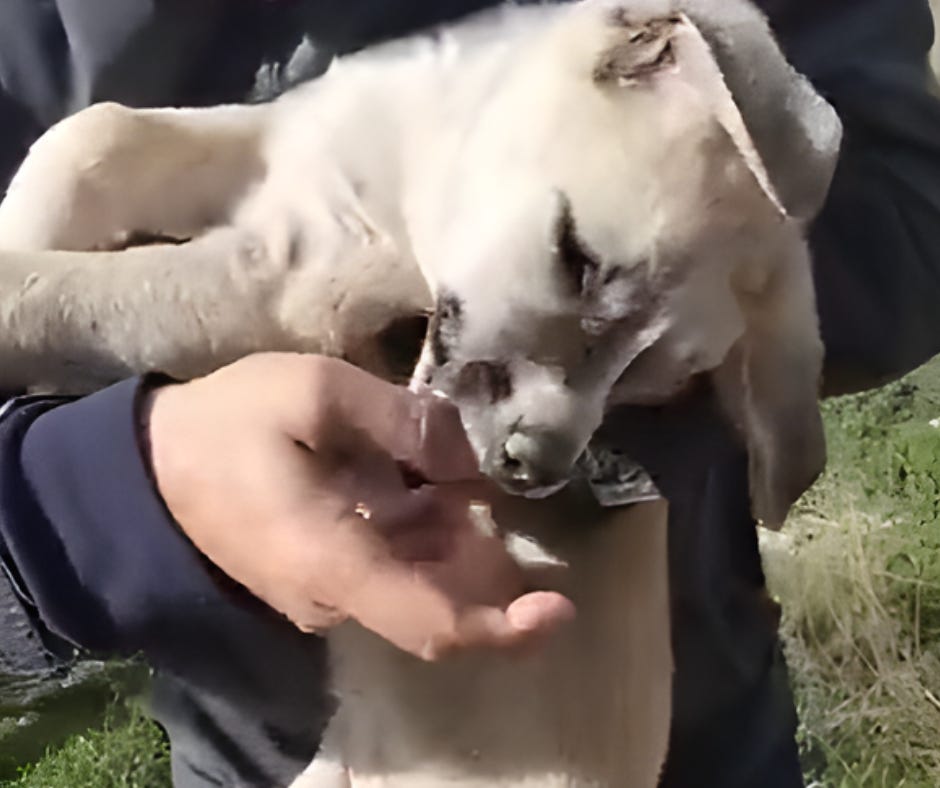
Why This Case Is Particularly Alarming
Young age: At two months, puppies’ immune systems are still developing, their bodies are fragile, and routine care (vaccination, nutrition, warmth) is vital. Administering sedation or anaesthesia to such young dogs demands the highest standard of medical justification and post-care anything less risks endangering them.
Lack of transparency: According to the reports, there has been little public explanation either of the reason for the injections or the veterinary protocols followed. Transparency is essential for trust, and for the welfare of animals in municipal programs.
Vulnerability of stray animals: Puppies in stray-care or municipal collection programs are among the most vulnerable. They rely entirely on humans for safe capture, transport, medical care, and rehabilitation. If protocols are weak, their survival and welfare suffer.
Impact on public trust: Organisations working with stray/rescue animals depend on public confidence. If municipal or official bodies negligently handle young animals, that can undermine trust across the sector.
What Should Be Demanded & What We Can Do
For the sake of the puppies, for the sake of the rescue community, and for public accountability, we should call for the following:
A formal investigation into the gathering and treatment of the puppies: What anaesthetic was used? Was a licensed veterinarian present? Were proper medical records kept?
Disclosure from the relevant municipality about their procedures for collecting stray animals, especially very young ones: how are they assessed, when and why are injections used, what are the transport and care protocols?
Assurance that the law 5199 is being honoured: medical interventions must be justified, documented and carried out by qualified professionals.
Rescue organisations should monitor municipal animal-care programmes and advocate for best practices: younger animals need heightened safeguards, transparent reporting, and follow-up care.
Public education: let donors, supporters and the community know that while stray-animal collection is often needed, it must be done with rigorous veterinary standards and documented welfare protocols.
Drugging Dogs as Routine Procedure - How Did This Become Normal
What appears to be emerging is not an isolated case but a normalised practice. Reports and witness accounts across multiple regions suggest that drugs and anaesthetic injections are being used indiscriminately on all dogs, young, old, pregnant, timid, friendly & well socialised.
If this is how animals are being routinely managed, then we must ask: why is sedation becoming the default, rather than the last resort?
Where is the assessment? Where is the veterinary discretion?
And if the system cannot safely manage dogs without drugging them, then the system itself must be questioned & collections must be stopped.
Because control is not care and sedation is not sheltering.