
What True Animal Welfare Reform Looks Like
Exploring What We Must Do to Build Lasting Change
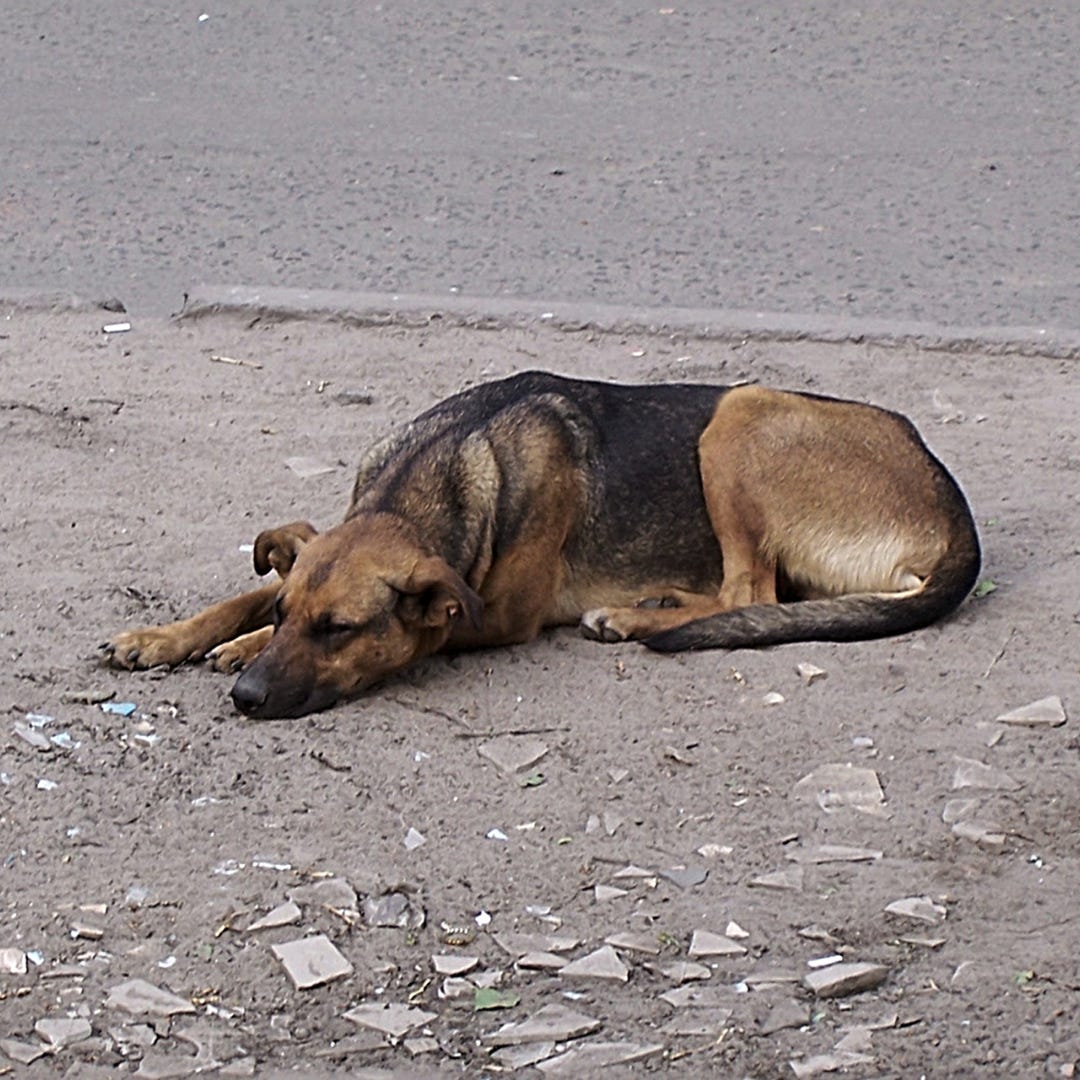
Across the world, the term “animal welfare reform” is used loosely. Politicians promise it, NGOs campaign for it, and the public demand it but too often, what passes for reform is little more than a rebranding of cruelty. In Turkey, this reality has become painfully clear. Despite widespread public concern, the country’s stray animal crisis remains unresolved, the suffering on the streets continues, and proposed solutions risk making things far worse.
True animal welfare reform cannot be built on fear, propaganda, or convenience. It must be rooted in compassion, ethics, and evidence. So what does real reform look likeand what must change for Turkey, and the world, to achieve it?
Legislation That Protects, Not Punishes
The foundation of animal welfare is law. Yet, in many countries including Turkey existing legislation fails to safeguard the very lives it claims to protect. Animals are often categorised inconsistently, with companion animals treated differently from strays, and strays treated as disposable.
True reform requires laws that:
Recognise animals as sentient beings, not property.
Outlaw mass culling, poisoning, and abandonment under any circumstances.
Ensure strict penalties for cruelty and neglect, with enforcement that matches the severity of the crime.
Require municipalities to implement humane population control measures especially sterilisation and vaccination programmes rather than temporary or cosmetic solutions.
Without a legal framework grounded in protection, every other measure becomes meaningless.
Sustainable Population Management
Killing is not control it is cruelty disguised as policy. The only proven, humane method of managing stray populations is Trap-Neuter-Vaccinate-Return (TNVR) combined with robust community engagement.
When TNVR is properly resourced and consistently implemented, stray populations stabilise and decline over time. TNVR is often underfunded, sporadic, or ignored entirely. Municipalities must be held accountable for failing to meet their obligations under existing animal protection laws.
Beyond sterilisation, investment in public education, adoption campaigns, and responsible pet ownership is essential. Every unsterilised pet, every abandoned litter, adds to the cycle of suffering. Ending that cycle requires long-term commitment, not short-term brutality.
Transparency and Accountability
Reform without transparency breeds corruption and abuse. Citizens have a right to know what happens to animals under municipal care, how funds are spent, and whether laws are being upheld.
Shelter inspections should be mandatory, independent, and published publicly.
Municipal animal welfare budgets must be transparent and subject to public scrutiny.
NGOs and activists should have legal access to facilities where animals are held.
Where there is secrecy, there is suffering. Only through accountability can trust and progress be restored.
Education and Cultural Change
No nation can legislate compassion, but it can nurture it. Education is the most powerful tool for creating lasting reform. Schools, local councils, and media outlets must play an active role in teaching empathy, responsibility, and respect for life.
Children raised to understand the emotional lives of animals become adults who demand better for them. And public awareness campaigns can counter the fear-based narratives that have fuelled hatred against street animals in recent years.
True reform means shifting the cultural mindset from control and punishment to coexistence and compassion.
Collaboration Over Division
Government bodies, NGOs, veterinarians, and communities must work together not against each other. Too often, rescue groups are excluded from decision-making processes despite their expertise and on-the-ground experience.
A unified strategy that brings together policymakers, scientists, animal welfare organisations, and local communities is the only way to create effective, humane, and lasting reform.
The goal is not to silence critics but to build coalitions around shared values: compassion, science, and justice.
Beyond Borders: A Global Responsibility
The fight for animal welfare is not confined to one nation. From Romania to India, from Greece to Turkey, the same struggles play out—neglect, fear, misinformation, and violence. The global community must stand together to expose cruelty, demand reform, and share humane solutions.
International organisations and donors have a duty to support grassroots movements that champion ethical, evidence-based approaches rather than enabling those who perpetuate suffering in the name of “control.”
A Vision for Lasting Change
True animal welfare reform is not about politics it is about morality. It is not achieved through slogans or PR campaigns, but through compassion, courage, and consistency.
For every nation facing similar challenges, the path forward is clear:
Protect life.
End cruelty.
Build systems rooted in empathy and evidence.
Only then can we claim to have built a society that respects all living beings not just in words, but in action.
At Dog Desk Animal Action, we believe that reform is possible.
We continue to campaign for humane, evidence-based animal welfare policies in Turkey and beyond. Join us in demanding the change that animals deserve—real, lasting, and compassionate.


