


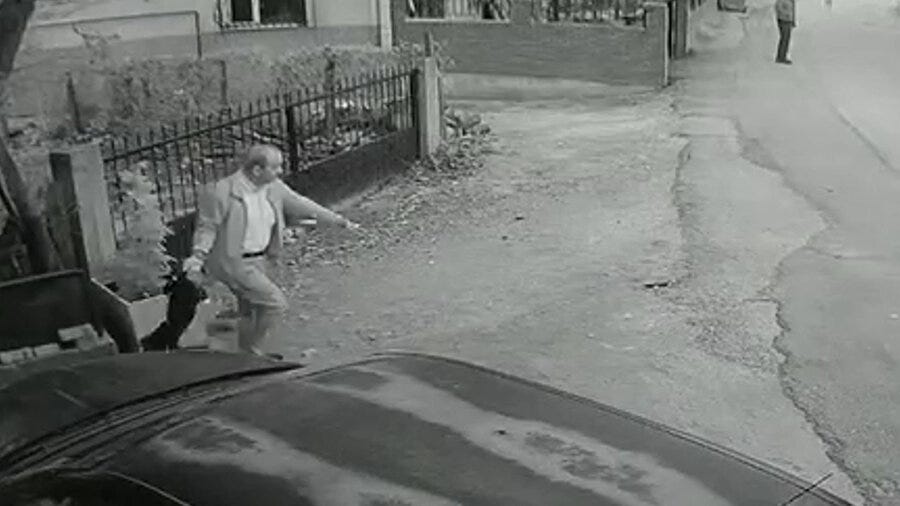
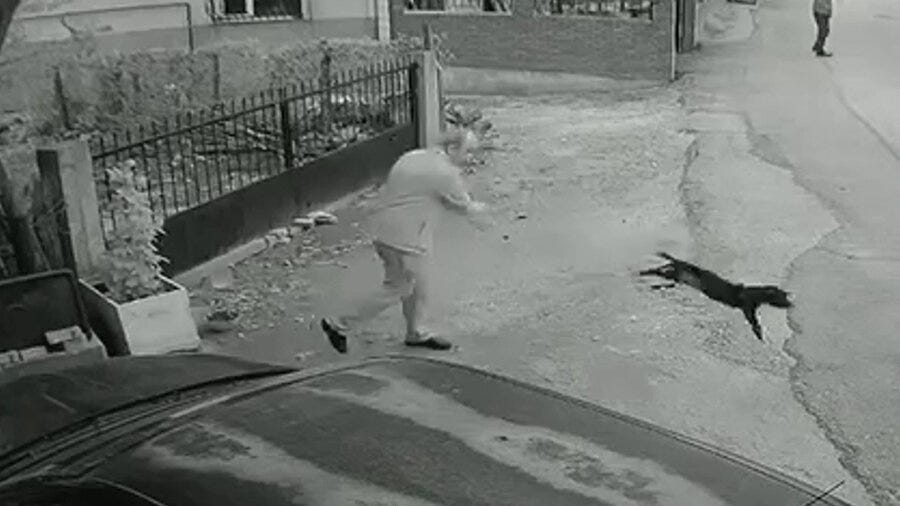
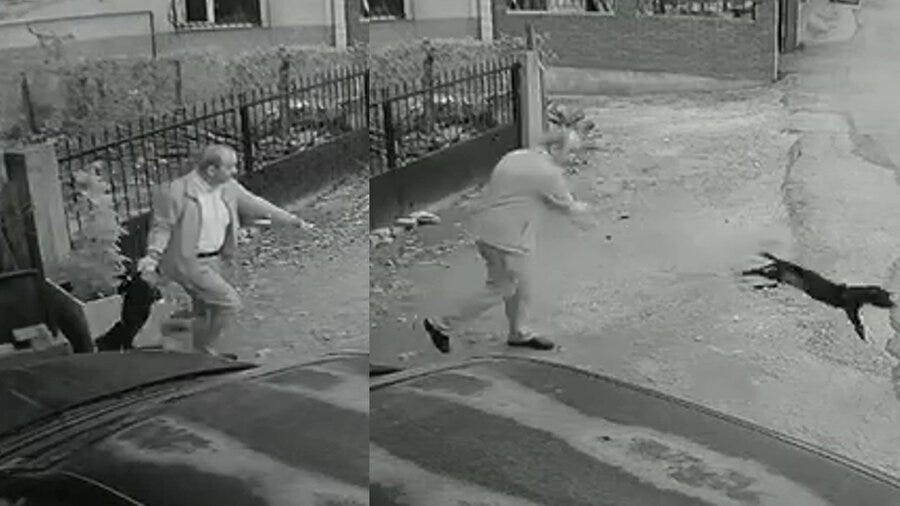
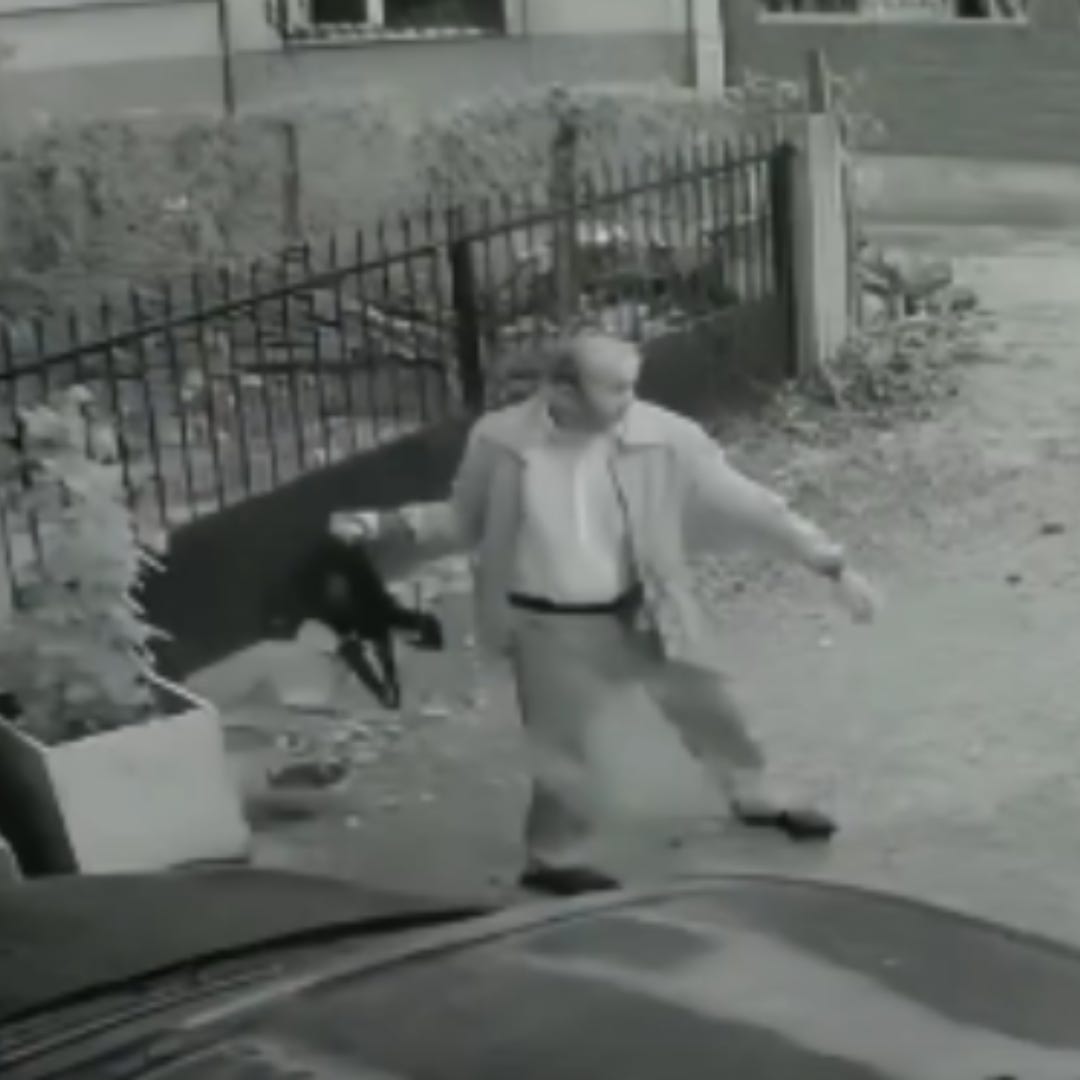
In early October 2025, a video circulated from Pınarlı village (Kandıra district) showing a man, identified as E.B., grabbing a puppy by its tail and violently hurling it to the ground. Onlookers who intervened were met with verbal abuse from him. The footage provoked widespread shock and condemnation. Yet, despite the clear evidence and public uproar, E.B. was released under judicial control (conditional release) rather than held in custody pending trial.
That outcome, the release on probation amplifies deep structural questions about how animal cruelty is treated legally and socially. Even more concerning is a pattern: many of the most notorious animal cruelty cases in recent years involve male perpetrators of similar age ranges.
What does that tell us and what must change?
The Legal Dilemma, Probation in Animal Cruelty Cases
The role of judicial control (conditional release / probation) in criminal proceedings is intended to protect the rights of suspects when pretrial detention is not necessary, while also safeguarding the public. But when extreme cruelty is caught on camera, many citizens see release as a betrayal of justice. Several challenges emerge:
Weak deterrence: Allowing suspects free movement with perhaps only monitoring conditions may diminish the perceived cost of violence. In cruelty cases, the message may be read: Even if you act viciously, you may not be locked up.
Poor enforcement: Probation or release terms (e.g. bans on animal contact, regular check-ins) only matter if actively monitored and enforced. In many jurisdictions, oversight is weak or underfunded.
Mismatch in gravity: Animal cruelty is often dismissed or minimized in legal systems, compared to violence against humans. But cruelty, especially when deliberate and public, should merit proportional sanctions.
Psychological escalation: Animal cruelty is not only harm to animals, research links it as a marker or predictor of broader violence (including domestic or interpersonal violence). Granting leniency may allow escalation.
There is a strong argument that in cases with incontrovertible evidence such as video documentation courts should default to stricter pretrial restrictions, not looser ones
A Pattern Repeated: Men, Mid-Age, Public Violence
This is not an isolated case. Across jurisdictions and studies, perpetrators of deliberate animal cruelty tend overwhelmingly to be male, and often in the younger to middle-aged adult bracket.
Global & U.S. Data
In the U.S., lifetime prevalence of intentional animal cruelty is about 1.8%. Those who self-report cruelty are much more likely to be male (odds ratio 6:1) and to engage in other antisocial behaviours.
Research suggests rates of animal abuse in men are about four times higher than in women.
In conviction data, male-to-female ratios are staggering: for beating, 38:1; shooting, 16:1; mutilation/torture, 20:1; burning, 17:1.
The FBI, in profiling 150 adult males arrested for cruelty, found an average age of 37.
Behavioural & Psychological Insights
Studies of individuals who commit nonsexual abuse of animals show a predominant demographic of males aged 20–35.
The link between animal abuse and interpersonal violence is well documented: animal cruelty often co-occurs with domestic violence, child abuse, and more.
Animal abuse in domestic abuse contexts is frequently used as a tool of coercion or intimidation against victims (e.g. threatening or harming pets to control a partner).
Childhood exposure to violence or being physically punished increases the risk that a person will become cruel to animals later.
Turkish Legal & Contextual Notes
In Turkey, the Animal Protection Law (No. 5199) provides for fines, confiscation of animals, and bans on keeping animals for those who commit serious cruelties. But many activists argue the penalties are weak and rarely enforced.
Animal rights organizations such as HAYTAP in Turkey continuously call for strengthening legal protections and stricter punishment for abusers, noting that the existing law does not sufficiently deter cruelty.
In recent cases in Turkey, there have been examples where suspects who committed well-publicized acts (e.g. killing or torturing a cat) were arrested or detained. But the consistency and predictability of enforcement is uneven.
Taken together, the data suggest: when cruelty is visible (via video, witness, CCTV), the actor is likely male, often in younger/middle adulthood, acting with boldness (public setting). And legal responses are patchy.
Bringing It Home: What Should Change - A Blueprint
To shift from reactive outrage to preventive justice, the following reforms should be considered:
1. Raise the floor on pretrial restrictions for cruelty cases
Especially in cases where visual evidence exists, courts should presume detention or at least strict supervision over simple release. Looser release terms should be the exception, not the default.
2. Mandate specialized monitoring & rehabilitation
Release or probation should come with structured obligations:
Therapeutic intervention: Anger management, empathy training, psychological assessment.
Animal contact bans: Clear prohibitions on handling or owning animals during trial unless supervised.
Inspections & compliance checks: Regular home or garden inspections by animal welfare authorities.
Sanctions for violation: Breaching terms should trigger immediate custody or added penalties.
3. Focus on early prevention and education
Because aggression toward animals often begins young:
School curricula should include animal welfare, empathy training, conflict resolution.
Youth programs (clubs, community centres) can offer hands-on supervised animal interaction (e.g. shelter volunteering) to build respect and care.
Public awareness campaigns to counter desensitization from viral cruelty videos stressing that animals are sentient and harm toward them matters.
4. Data collection, transparency & research
Governments should record demographic (age, gender, location) data of animal cruelty complaints, prosecutions, and convictions in anonymized, aggregated form.
Academic partnerships can analyse patterns to guide policy (e.g. hotspots, risk factors).
NGOs can help crowdsource monitoring, track cases, and demand consistency.
5. Legal upgrades & meaningful punishment
Strengthen the penalties under animal protection laws (fines, bans, jail time) to make cruelty nontrivial in consequence.
Remove ambiguities that allow cruelty cases to be treated lightly or dismissed.
Ensure courts have clear benchmarks so that sentencing is consistent, transparent, and proportionate to harm.
6. Integrated violence prevention frameworks
Because animal cruelty often overlaps with other forms of violence:
Domestic violence, child abuse, and animal cruelty programs should coordinate (cross-reporting, joint training of police and social services).
In households where animals are abused, social services should consider risk to people (especially children, spouses).
Law enforcement training: treat animal cruelty not as a “minor offence,” but as a meaningful signal of broader violence.
Final Reflections
The video from Pınarlı was painful to watch, but the aftermath, release on probation despite clear evidence, leaves many of us exasperated. Worse still is the realization that this is not an exception, but part of a broader, troubling pattern: repeated cases of public, cruel violence committed by men of a certain age, met with inconsistent accountability.
We need more than outrage. We need:
policies that presume stricter treatment in clear-cut cruelty cases;
enforcement infrastructure (probation, inspections, monitoring);
prevention rooted in empathy education;
and cross-sector coordination to see cruelty not in isolation but as echoing patterns of violence.
Why does Islam hate dogs?
Especially black dogs
https://hellish2050.substack.com/p/why-does-islam-hate-dogs