

When Advocacy Meets Algorithms
A blog for The Stray Dog Solidarity Alliance

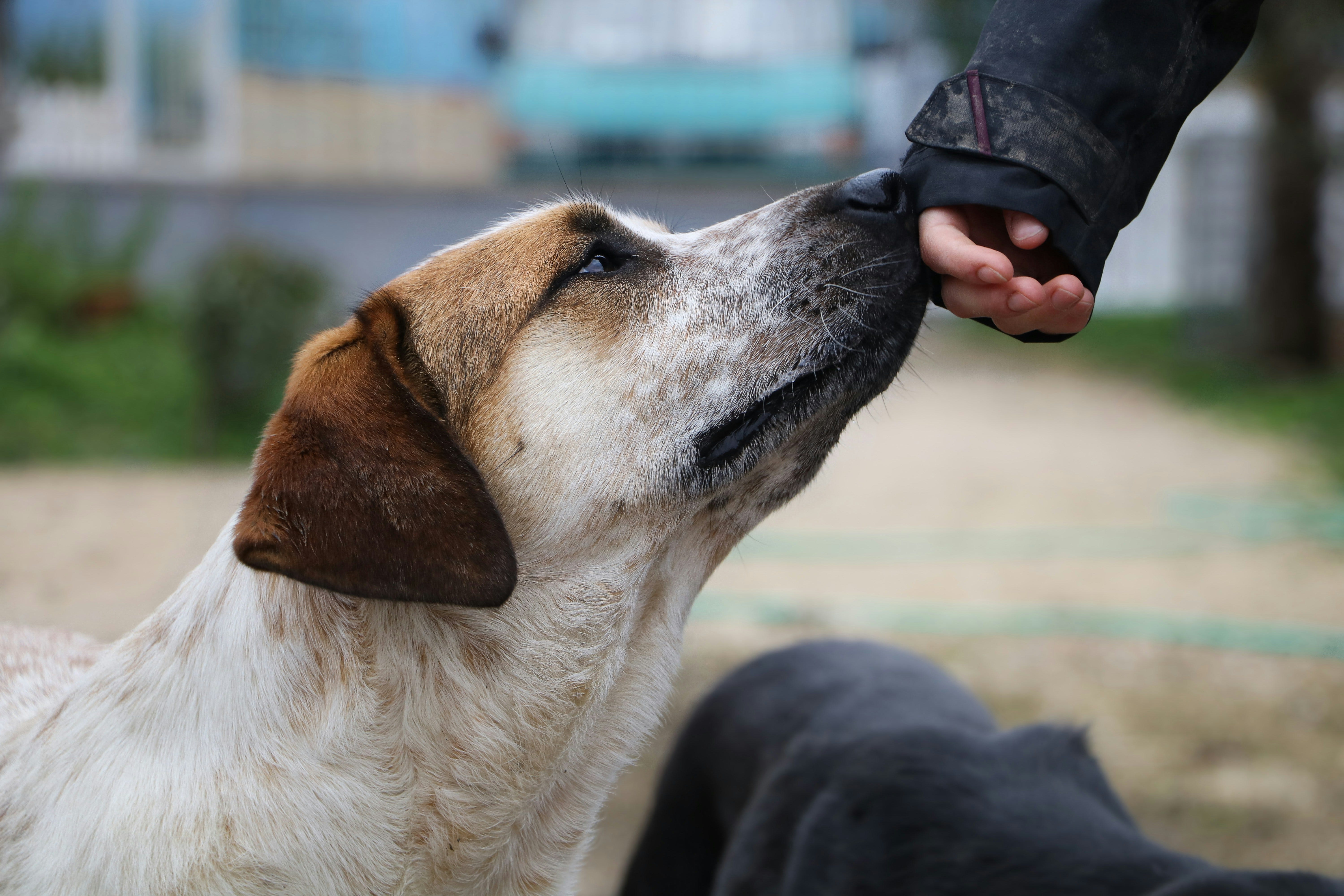
Protecting Your Organisation Without Protecting Cruelty
Animal welfare organisations now operate inside systems that were not built for us.
We document suffering.
Platforms are designed to suppress it.
As content moderation tightens particularly under the UK’s Online Safety Act 2023 and as automated enforcement becomes more sensitive on platforms such as X, advocacy groups face a structural question:
How do we continue to expose cruelty without placing our organisations at risk?
This is not a theoretical concern. It is operational.
The Shift: From Open Publishing to Controlled Distribution
In earlier phases of social media, graphic documentation often travelled widely. Shock generated attention. Attention generated momentum.
Today, the same imagery may trigger:
Automatic content warnings
Age gating
De-prioritisation in recommendation feeds
Reduced search visibility
The post remains online but its reach is curtailed.
This shift is not necessarily ideological. It is regulatory and algorithmic. Platforms are incentivised to over-correct rather than under-correct when facing legal scrutiny about harmful content exposure.
Animal cruelty imagery, however legitimate the intent, falls within violent or disturbing content categories in automated systems.
The platform evaluates the visual threshold before it evaluates moral context.
The Risk of Refusal
Some organisations respond with defiance:
“If the truth is uncomfortable, so be it.”
Moral clarity is essential.
Strategic rigidity is not.
Refusing to adapt entirely can lead to:
Progressive reach suppression
Plateaued growth
Reduced discoverability
Increased account vulnerability during reporting events
Most accounts are not banned for a single post.
They are marginalised through accumulated friction.
An organisation that becomes functionally invisible cannot advocate effectively.
The False Choice
The debate is often framed incorrectly:
Either show everything
Or sanitise reality
This is a false binary.
The question is not whether cruelty should be documented.
The question is where and how it should be positioned.
Architecture, Not Censorship
A modern advocacy model separates function:
1. Social Platforms (Rented Space)
Used for:
Narrative framing
Outcome updates
Policy analysis
Calls to action
Controlled evidence
2. Owned Infrastructure (Controlled Space)
Used for:
Full documentation archives
Detailed case evidence
Legal or evidential records
Extended investigative content
This does not conceal suffering.
It places it deliberately.
The algorithm does not need to carry the full evidentiary burden of your work.
Frequency Matters
Volume influences risk.
Occasional documentation framed within analysis is treated differently from a feed dominated by distress imagery.
Patterns form reputations inside moderation systems.
A feed that communicates reform, stability, and structured intervention is algorithmically safer than one that appears visually violent at scale even if the cause is identical.
Language as Strategy
Image intensity is not the only trigger.
Caption framing matters.
Posts that contextualise harm within policy discussion, welfare reform, or systemic failure tend to be treated differently from posts that present imagery without structured narrative.
Precision reduces misclassification.
The Long-Term Question
Every organisation must ask:
Are we building a movement or reacting to a feed?
Social media is infrastructure you rent.
Your mission is infrastructure you own.
Confusing the two creates vulnerability.
The organisations that will endure over the next decade are those that understand platform mechanics without becoming controlled by them.
Protecting Reach Without Protecting Cruelty
Protecting your account does not mean softening your stance.
It means protecting:
Your donor pipeline
Your audience growth
Your policy influence
Your operational stability
An organisation silenced by algorithmic suppression cannot protect animals.
Strategic adaptation is not compromise.
It is stewardship.
Conclusion
Advocacy now exists at the intersection of ethics and engineering.
The work has not changed.
The environment has.
If we fail to understand the systems that distribute our message, we risk losing the ability to deliver it at all.
Modern animal welfare leadership requires more than compassion.
It requires structural literacy.
And that literacy is now as essential as rescue itself.